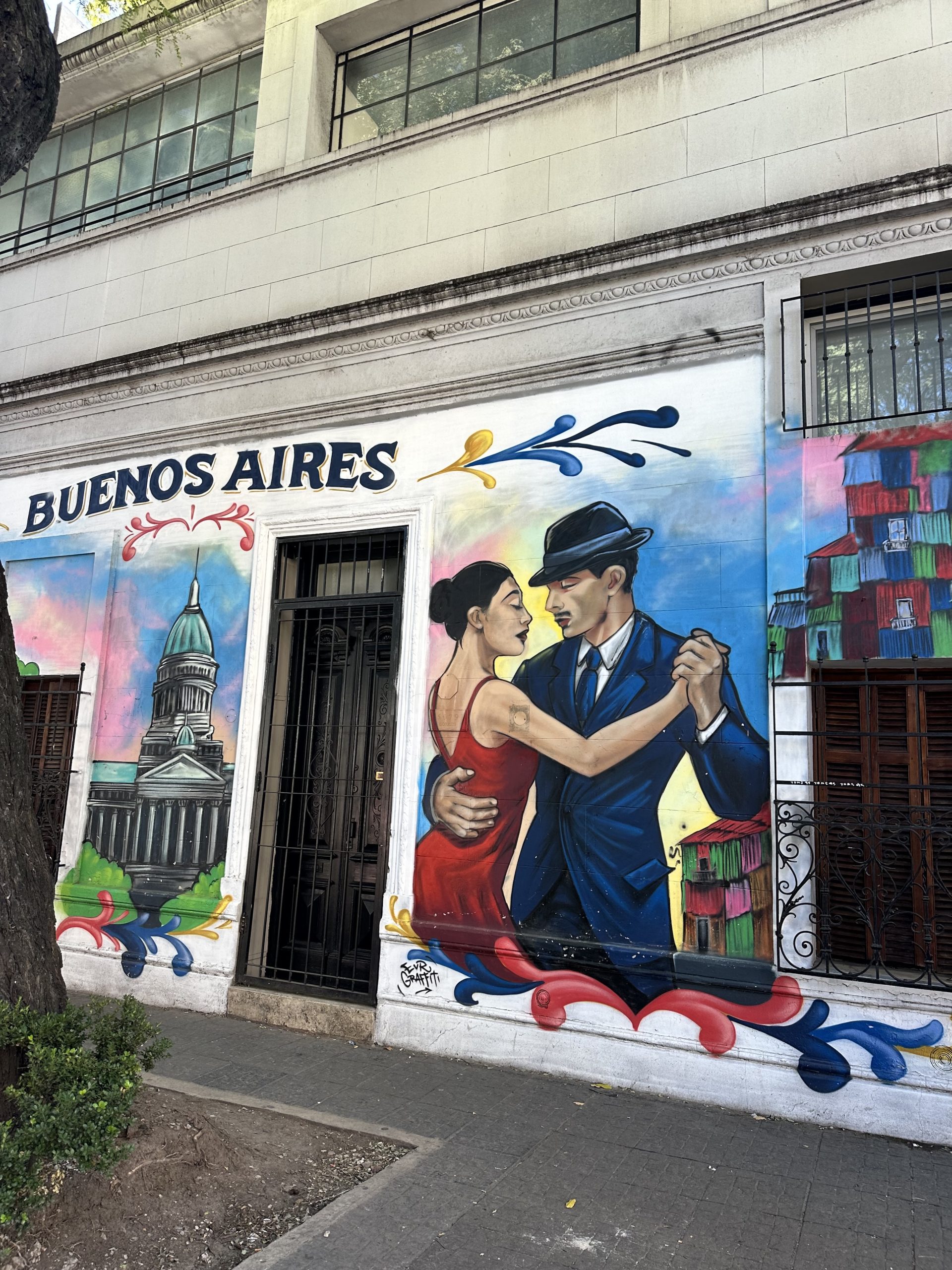
 Landing in Buenos Aires felt strange in the best possible way. No vehicle to unload at customs, no roof tent to climb into that night, just two backpacks (a bit more than just two but it sounded better) and a long list of things to figure out. Voukefalas was still somewhere on the Atlantic, making his own way from Hamburg to Montevideo, and for the first time in a long while we were, quite literally, travelling light.
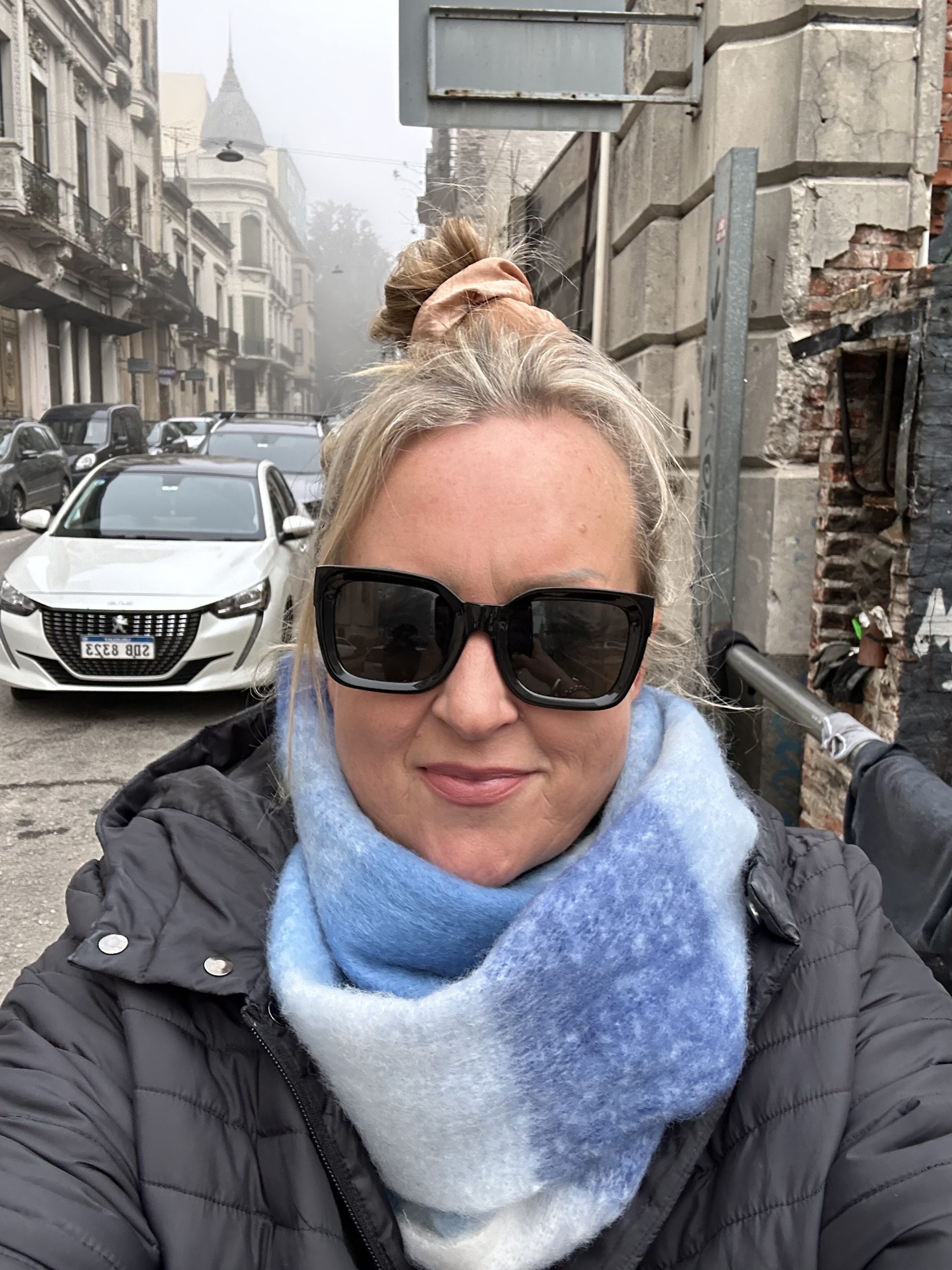
Mid-May placed us at the very start of the Argentine winter, and Buenos Aires in low season is a different city to the one most visitors see. Fewer tourists, quieter squares, cooler mornings that call for a proper winter coat, and a kind of unhurried rhythm to the streets that we came to appreciate.
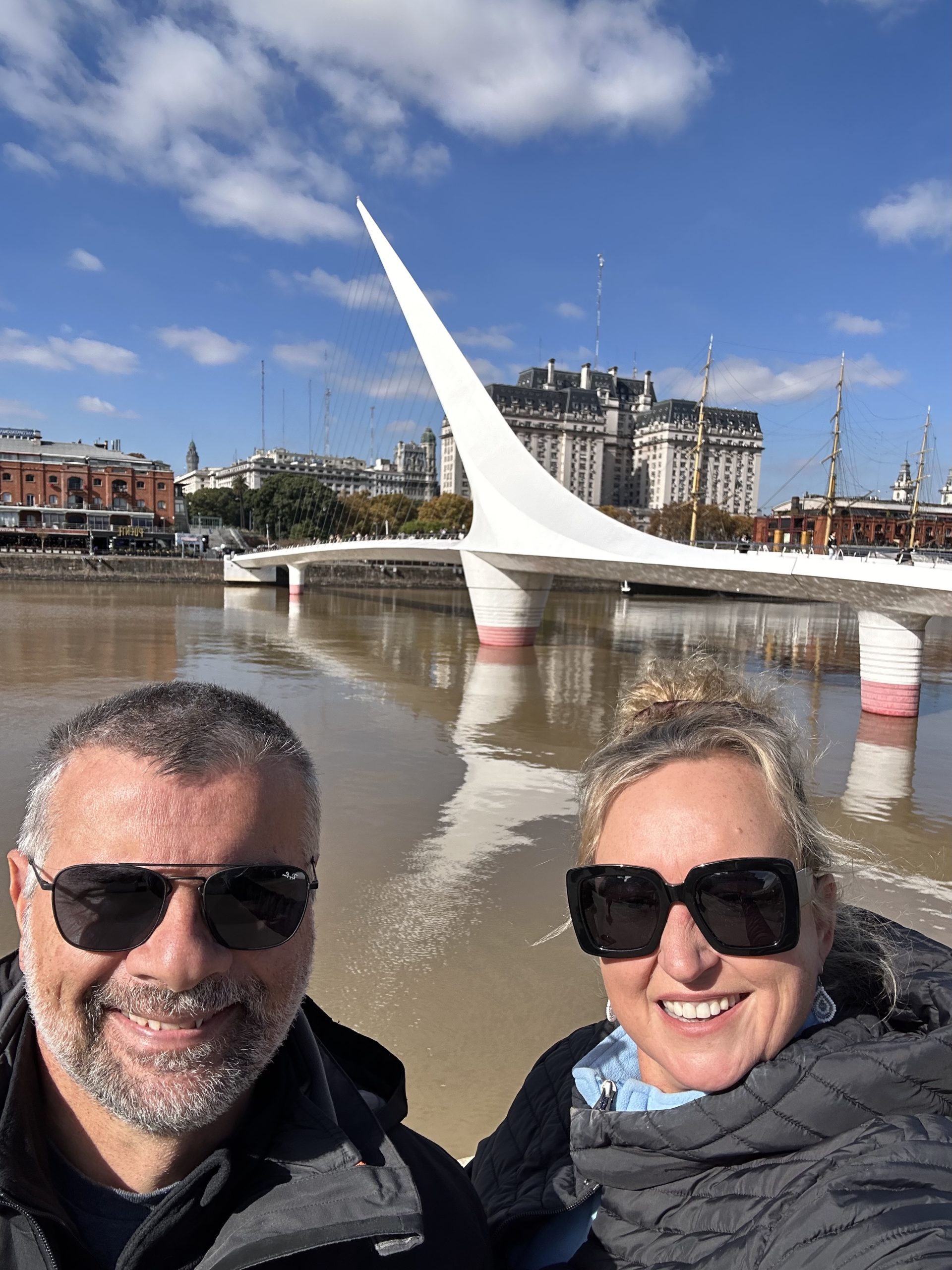
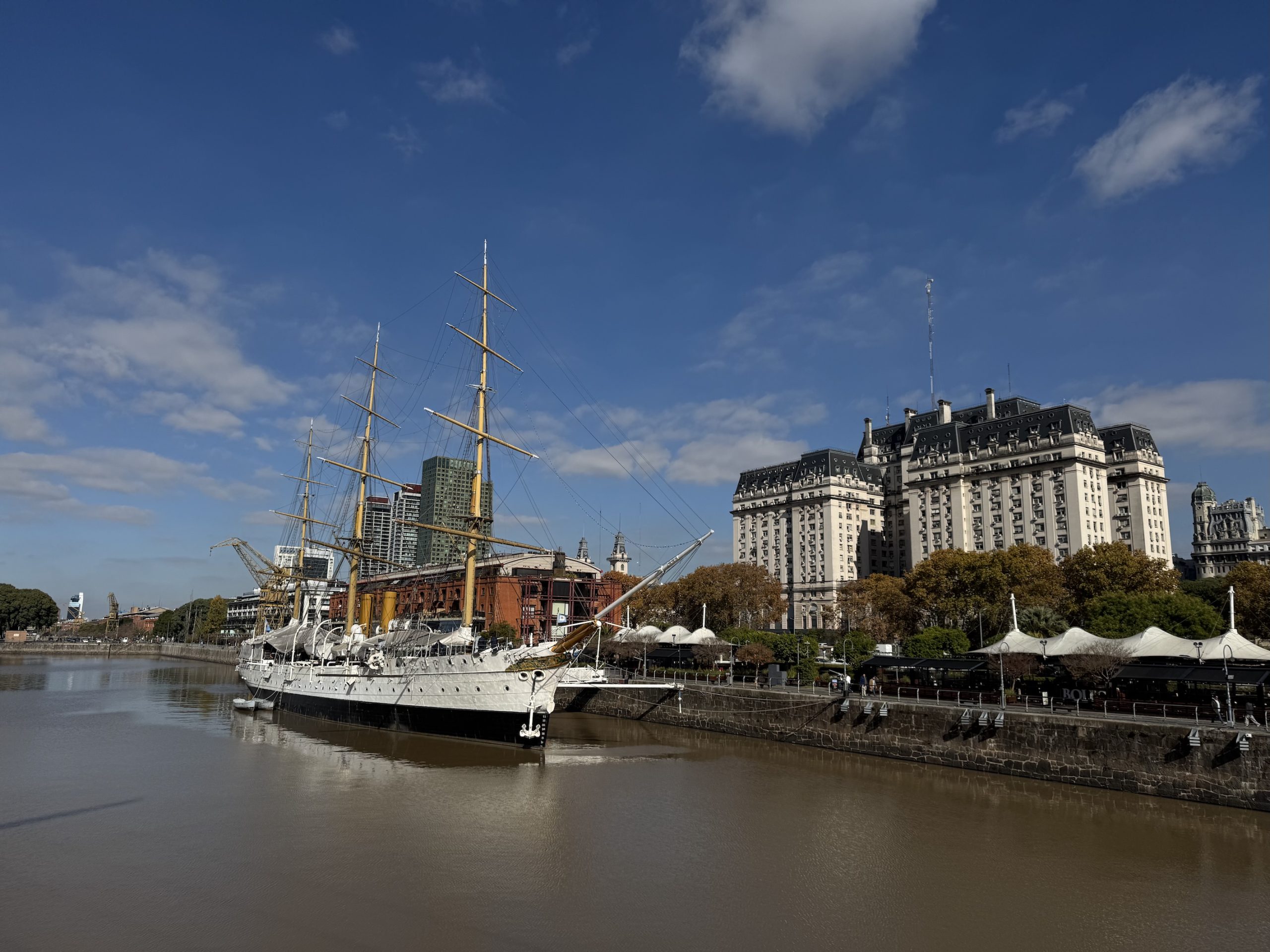
 With no urgency to move on and no vehicle to occupy our days, we gave ourselves 25 days in the capital, more time than we would normally spend anywhere, and we used every one of them. We started, as most people do, with the free walking tour, a good way to get the bones of the city straight before wandering off on our own. Our final stop of the tour was The Recoleta Cemetery , genuinely one of the most extraordinary places in the city, an entire necropolis of marble mausoleums and statues where Eva Perón is buried among generals, presidents and forgotten aristocrats. We have visited the cemetery it self in our previous overland travel so we picked to focus in the areas around it more this time. This gave us the Obelisco standing at the centre of Avenida 9 de Julio, reportedly the widest avenue in the world, and the Teatro Colón, considered one of the finest opera houses on the planet. We did not manage to catch a performance, but even from the outside its scale is obvious. During the tour our guide gave us some insides for the history of Buenos Aires as well as a love story that the love and hate between the families involved left Buenos Aires with a couple of impressive buildings as a testimony.
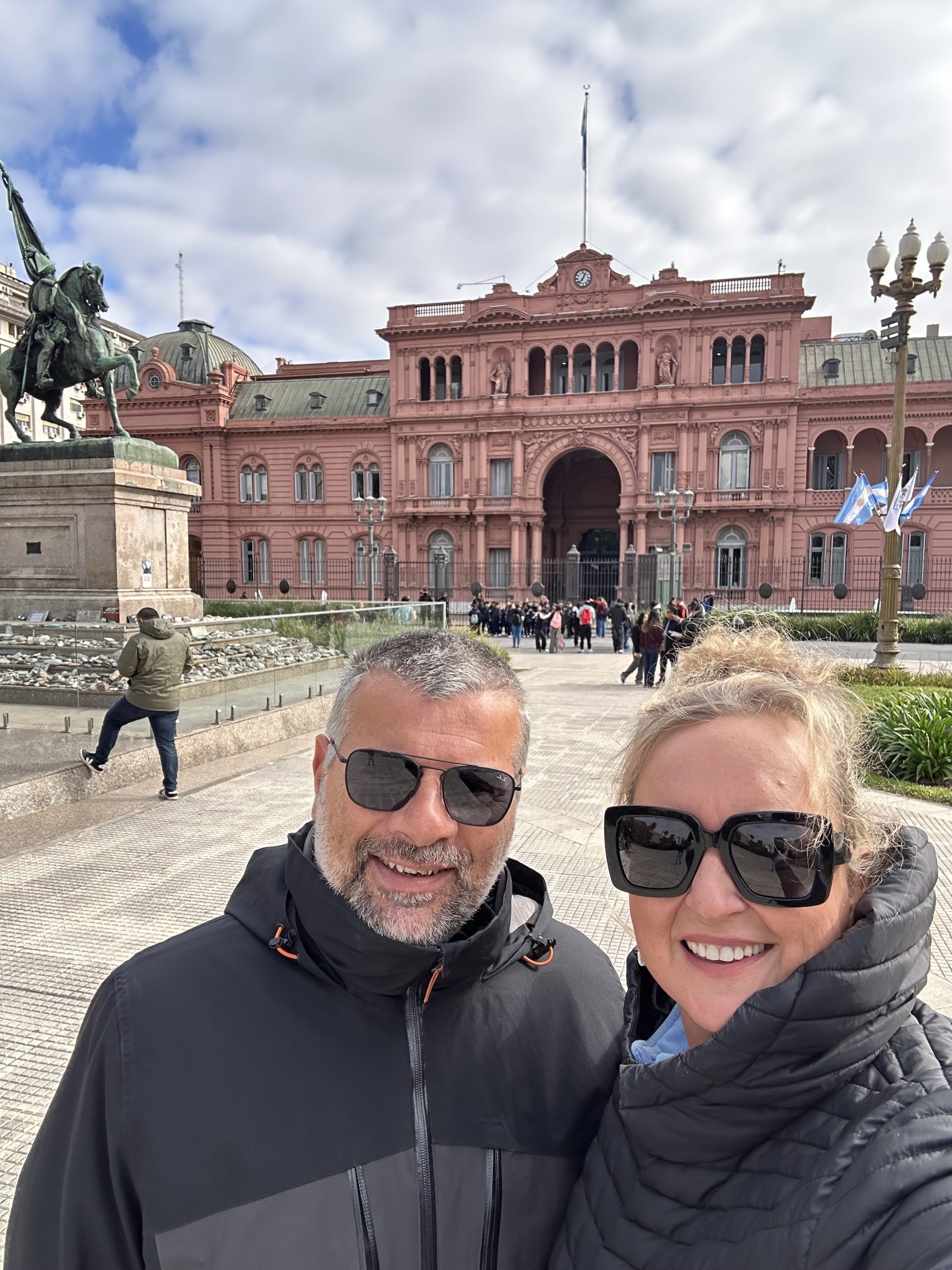
Next days took us past the Plaza de Mayo, the Casa Rosada with its unmistakable pink facade, and the Metropolitan Cathedral, where a young priest named Jorge Bergoglio once served long before the world knew him as Pope Francis. From there we let the city unfold at its own pace.
 We based ourselves in Palermo Soho, one of those neighbourhoods that earns its reputation quickly. Cobbled side streets, converted warehouses turned into cafés and design studios, and enough good coffee to keep us properly caffeinated through the colder mornings. Because we had time on our hands, we went looking for things beyond the standard list too. One find worth mentioning is the Museo Histórico y Numismático inside the Banco de la Nación Argentina’s headquarters on Bartolomé Mitre, right beside the Casa Rosada. The building itself, is a monumental neoclassical structure with a 50-metre dome, and inside, free of charge, sits a museum tracing Argentina’s monetary history back to coins struck in colonial Lima and Potosí. It is the kind of place that never makes the top-ten lists but is completely worth the detour.
San Telmo pulled us in on a Sunday, when its famous street market spills for blocks along Defensa street, all antiques, leather goods, tango performers and street food. We also spent an afternoon at the Buenos Aires Ecopark, the city’s old zoo turned open conservation park near Palermo, wandering under old trees between enclosures that once held one of South America’s most historic collections of animals. Add the La Boca’s colourful Caminito, a couple of proper asados, and more than a few late nights, and 25 days still felt like it went quickly.
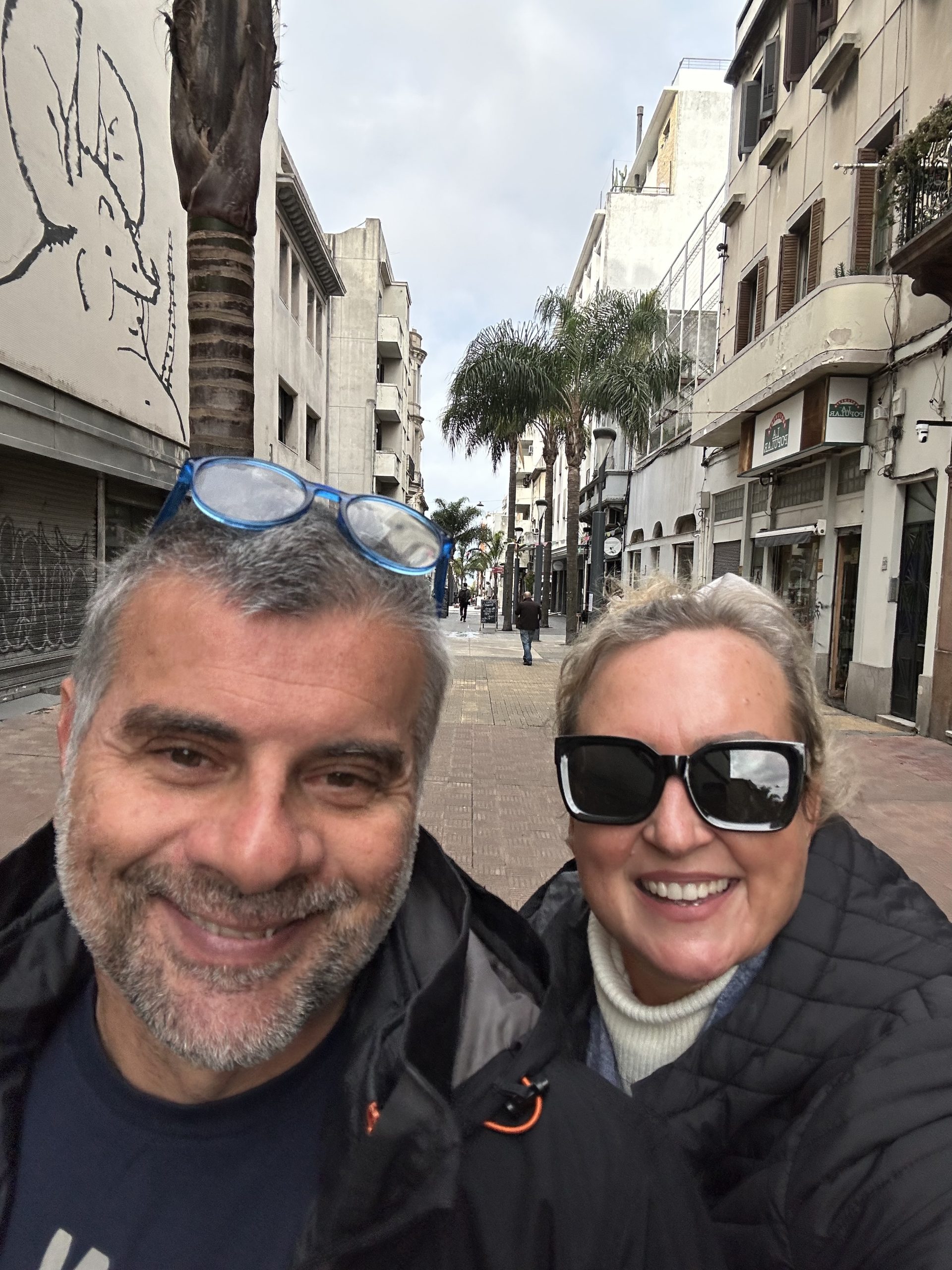
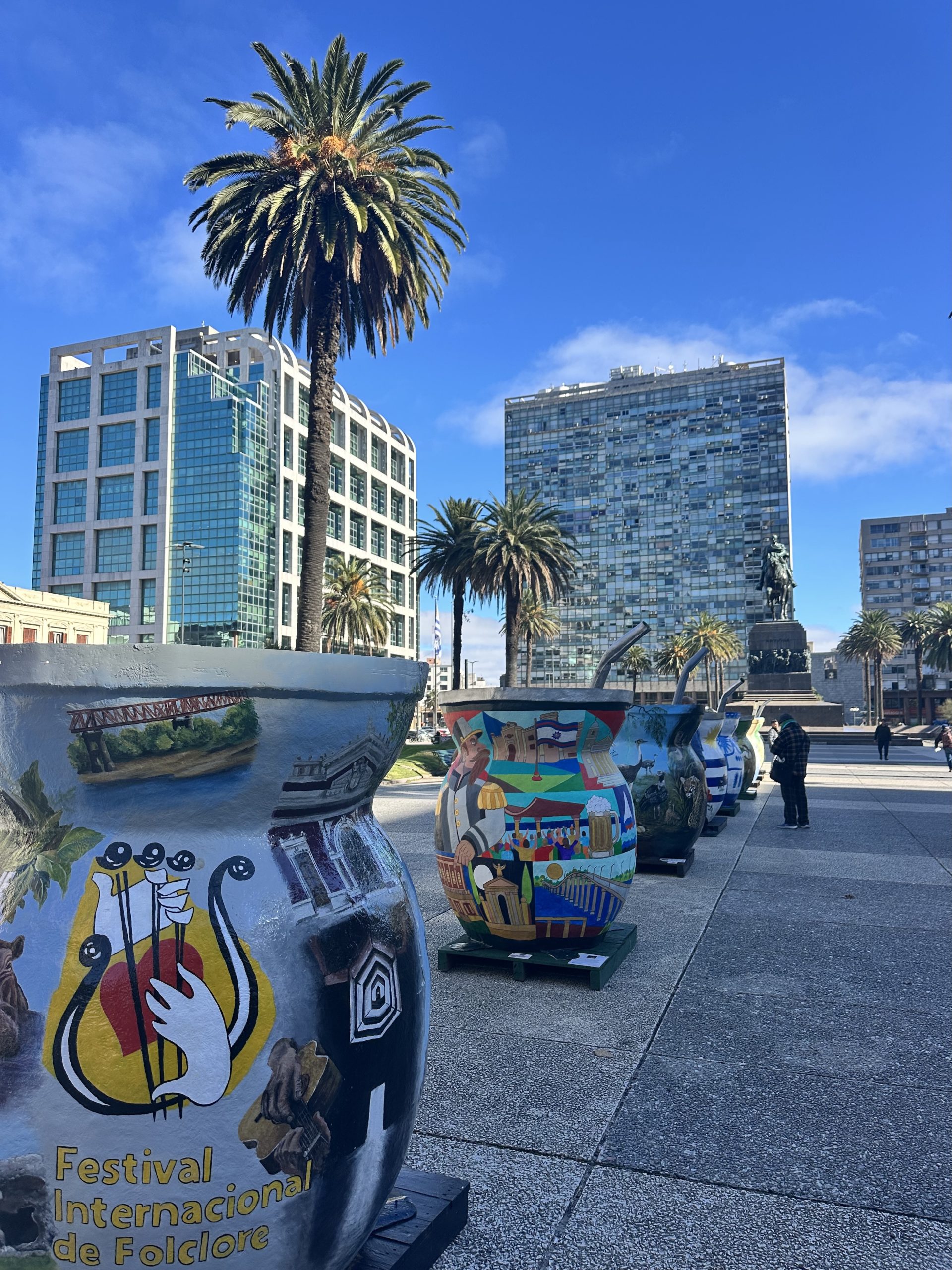
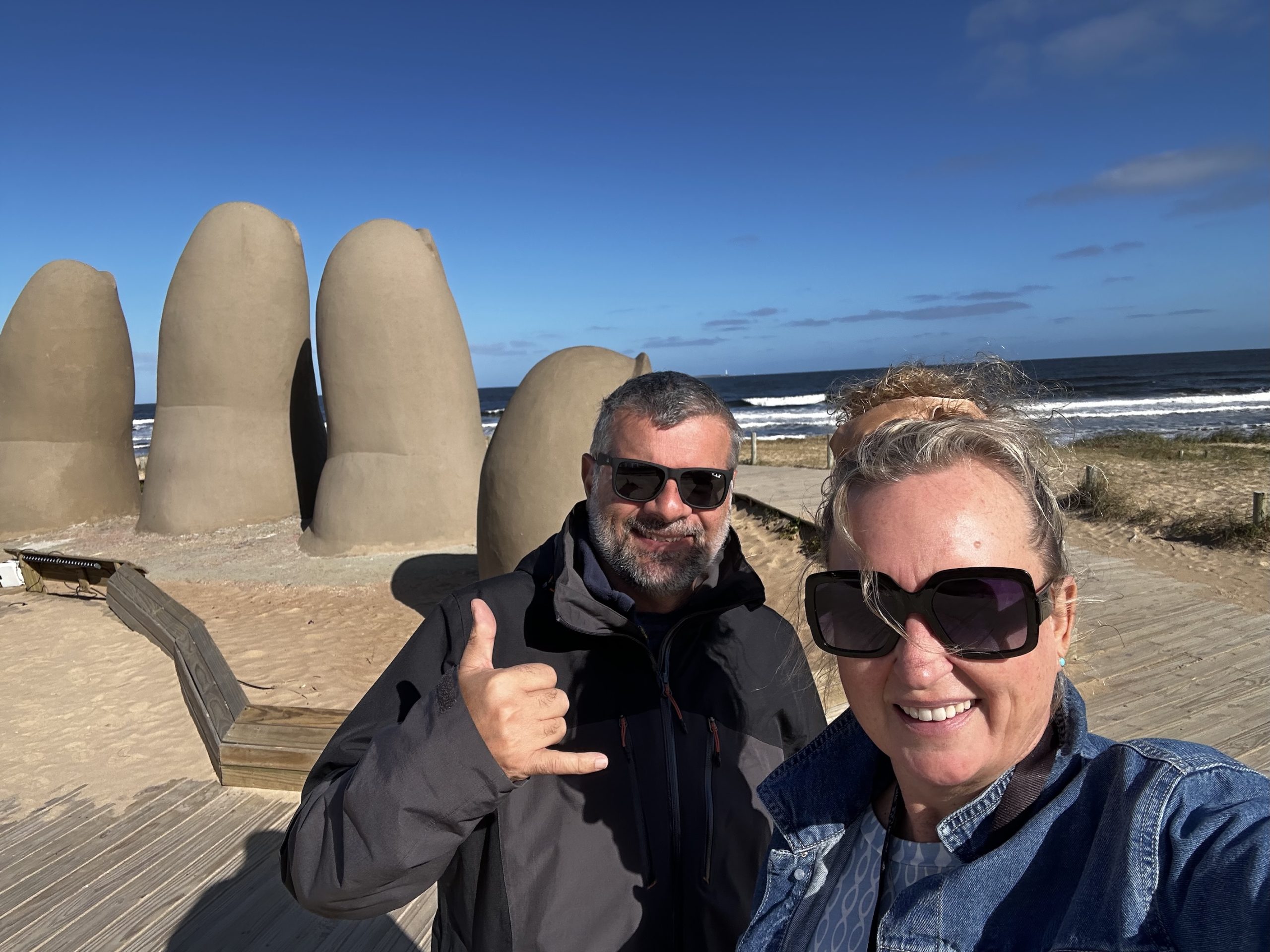
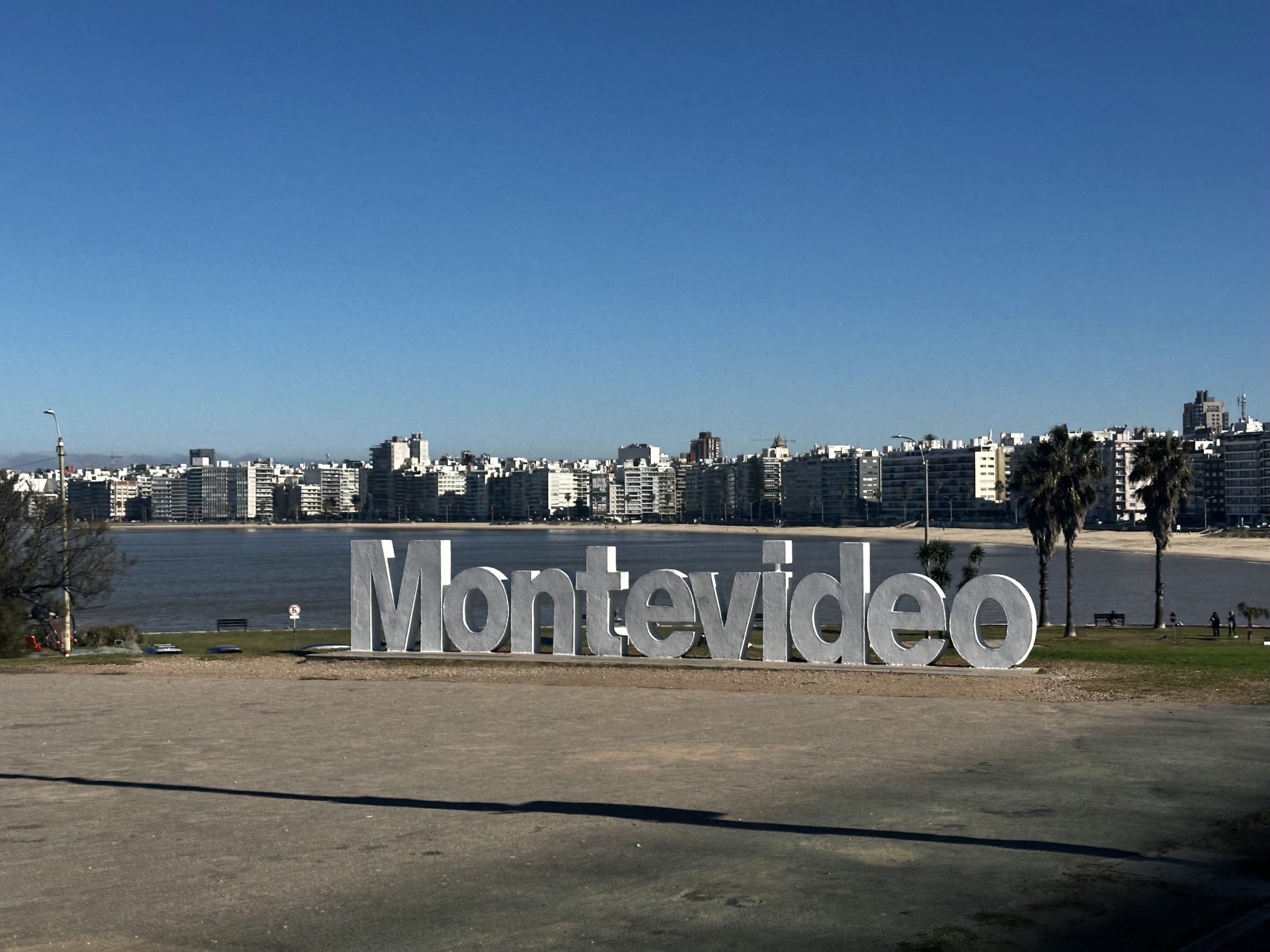
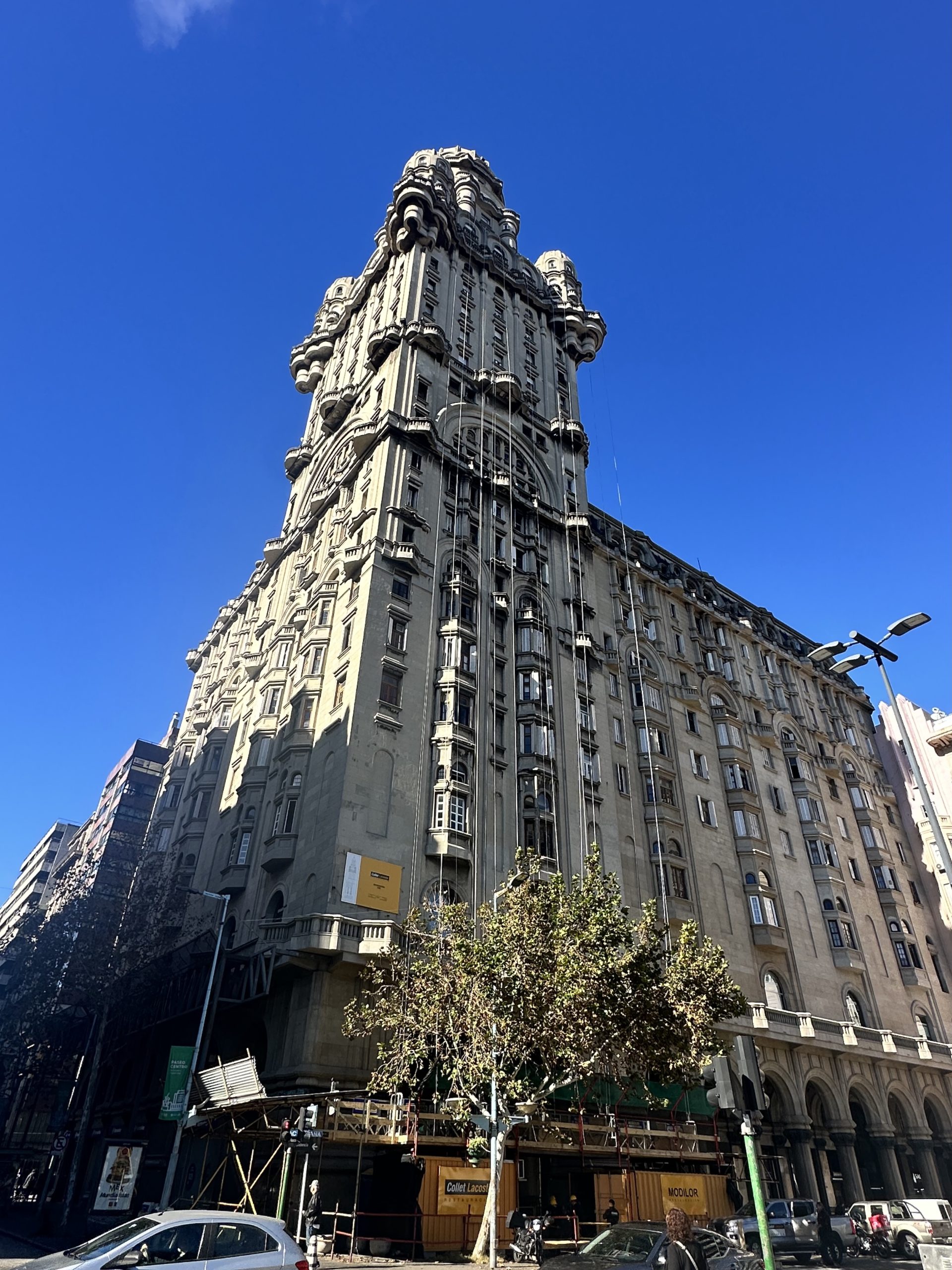
Eventually it was time to cross the river. A short ferry ride across the Río de la Plata took us into Uruguay and its capital, Montevideo, where the pace slowed down another notch again. We spent our first days exploring the Ciudad Vieja, the historic old town, wandering past Plaza Independencia and the towering Palacio Salvo, once the tallest building in South America, before losing ourselves in the covered stalls of the Mercado del Puerto with its grilled meats and old-world Uruguayan character.
But Montevideo was not just about sightseeing. This was where Voukefalas was due to arrive, and that meant paperwork. Temporary vehicle import permits, insurance, customs declarations, in other words the unglamorous side of overlanding that nobody photographs but everybody has to deal with. We spent our first week in the city working through it all, one office and one signature at a time.Was it hard ?No not really but it needed lots of patience.
Then, finally, the message we had been waiting for arrived. The ship was in.
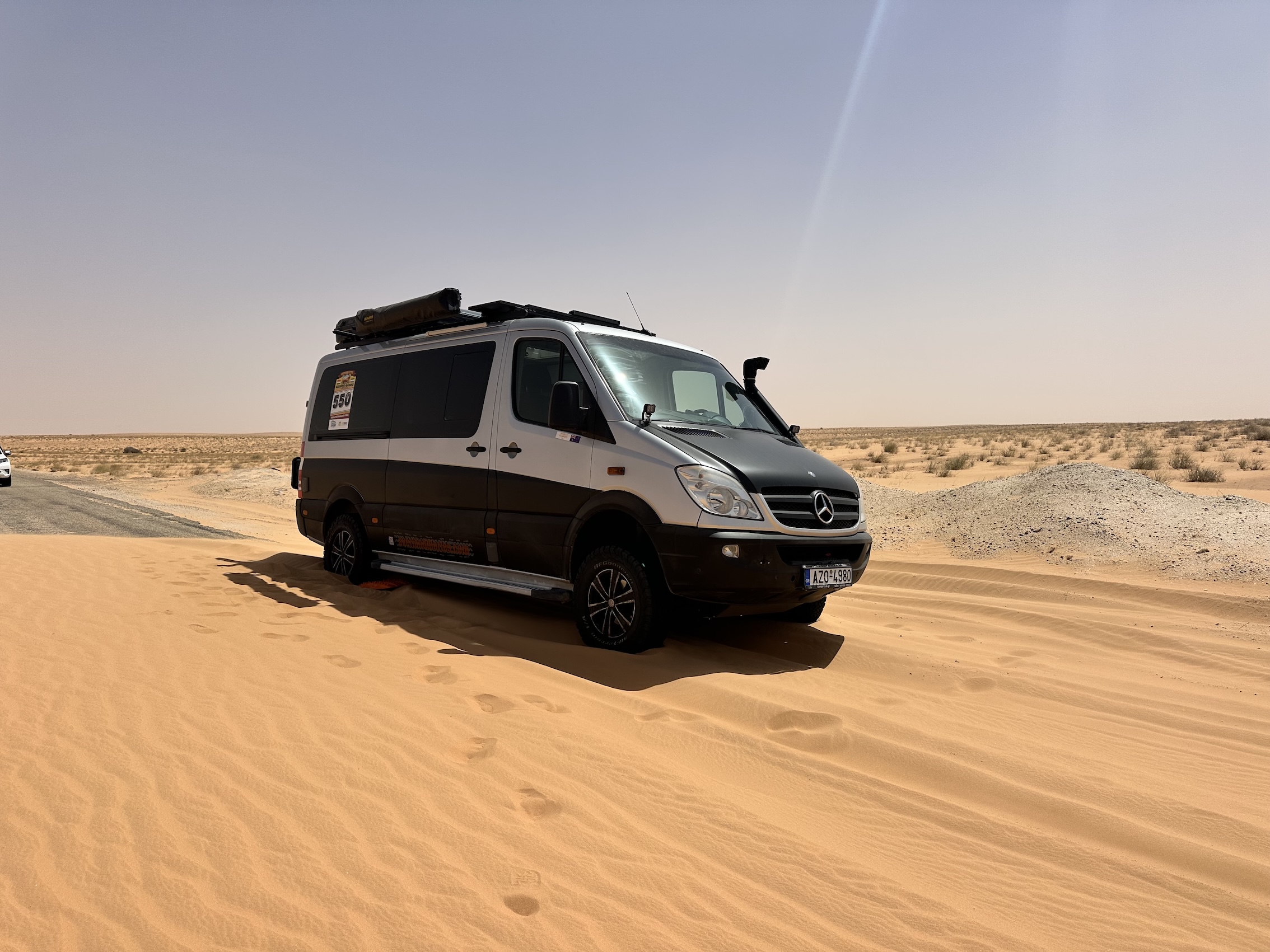
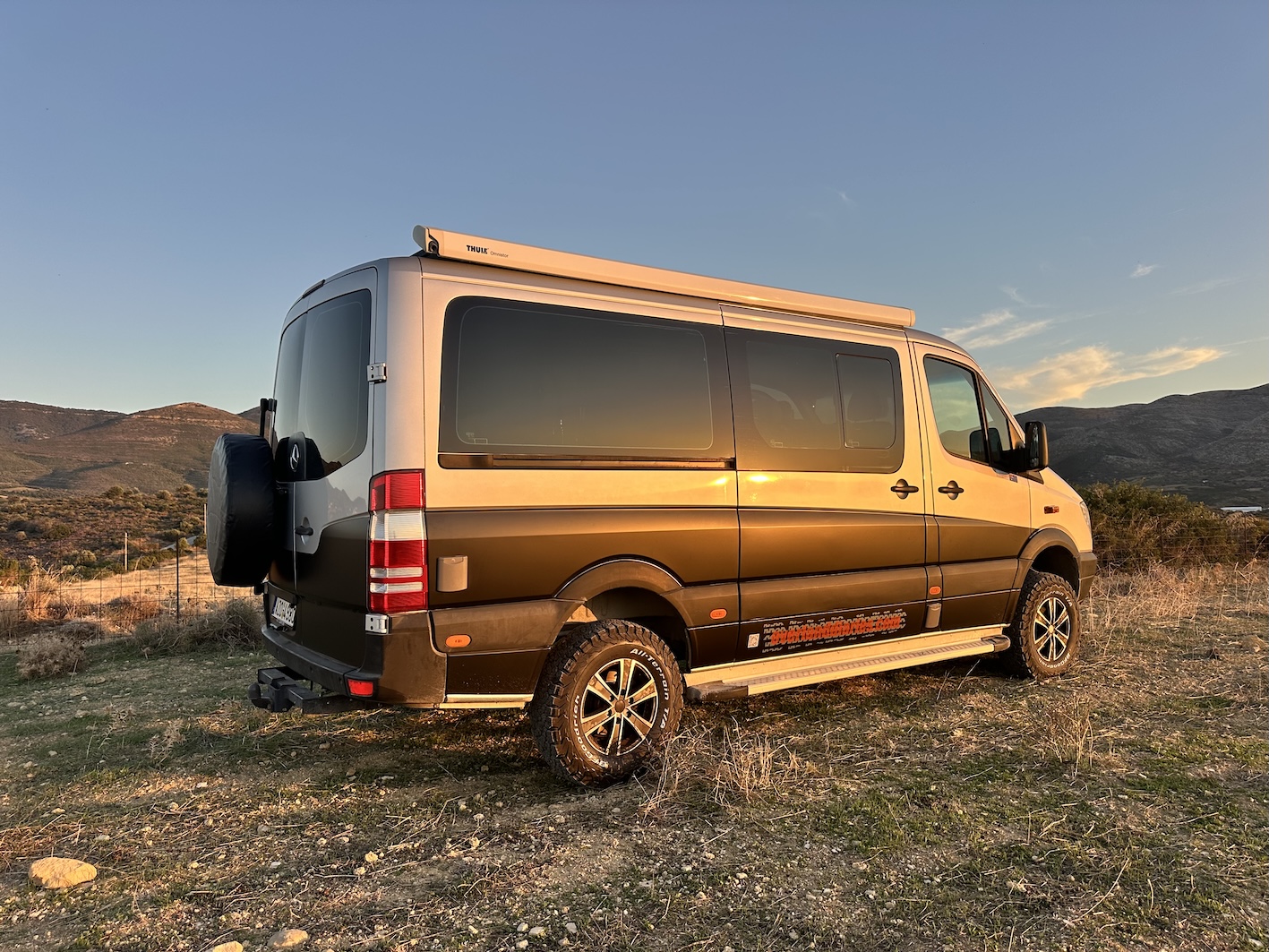
We literally run down to the port and watched the vessel ease alongside the dock, containers stacked high, somewhere among them our vehicle after weeks at sea. Standing outside the port gates waiting for the unloading to begin, after months of planning this exact moment, was a genuinely emotional one. When Voukefalas finally rolled off the ramp we felt like the parents that reunite with their lost child(ok that might sound ridiculous to you but it was kind of true for us). The next day and with me speaking a bit of Spanish we took over the task of completing the gate, procedures entirely on our own, no agent, no shortcuts, just patience and the right documents, it felt like the real expedition had finally begun. We got the all clear and drove out of the port gate that day late in the afternoon but that did not mater as we were finally “Free to roam”.
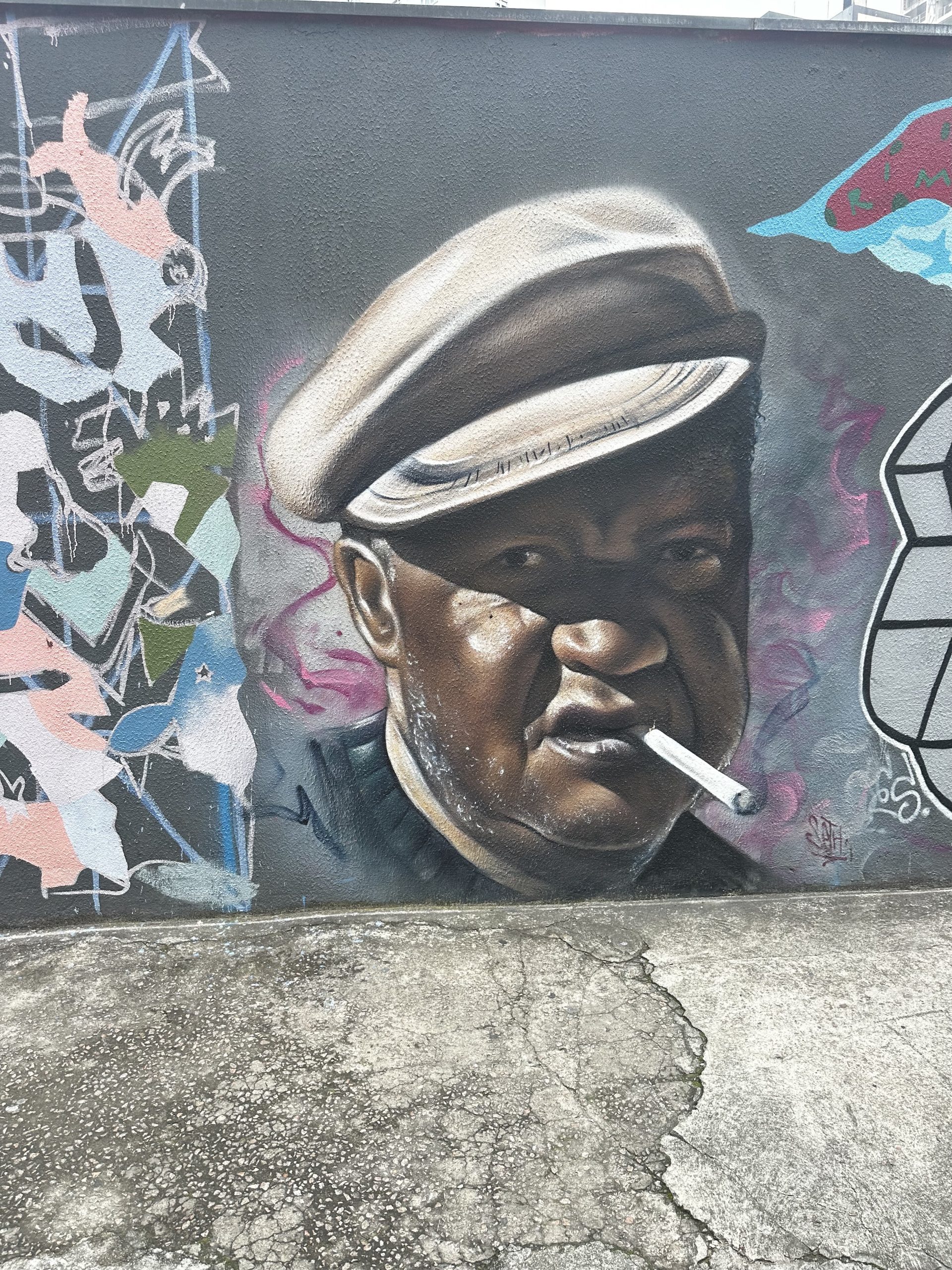
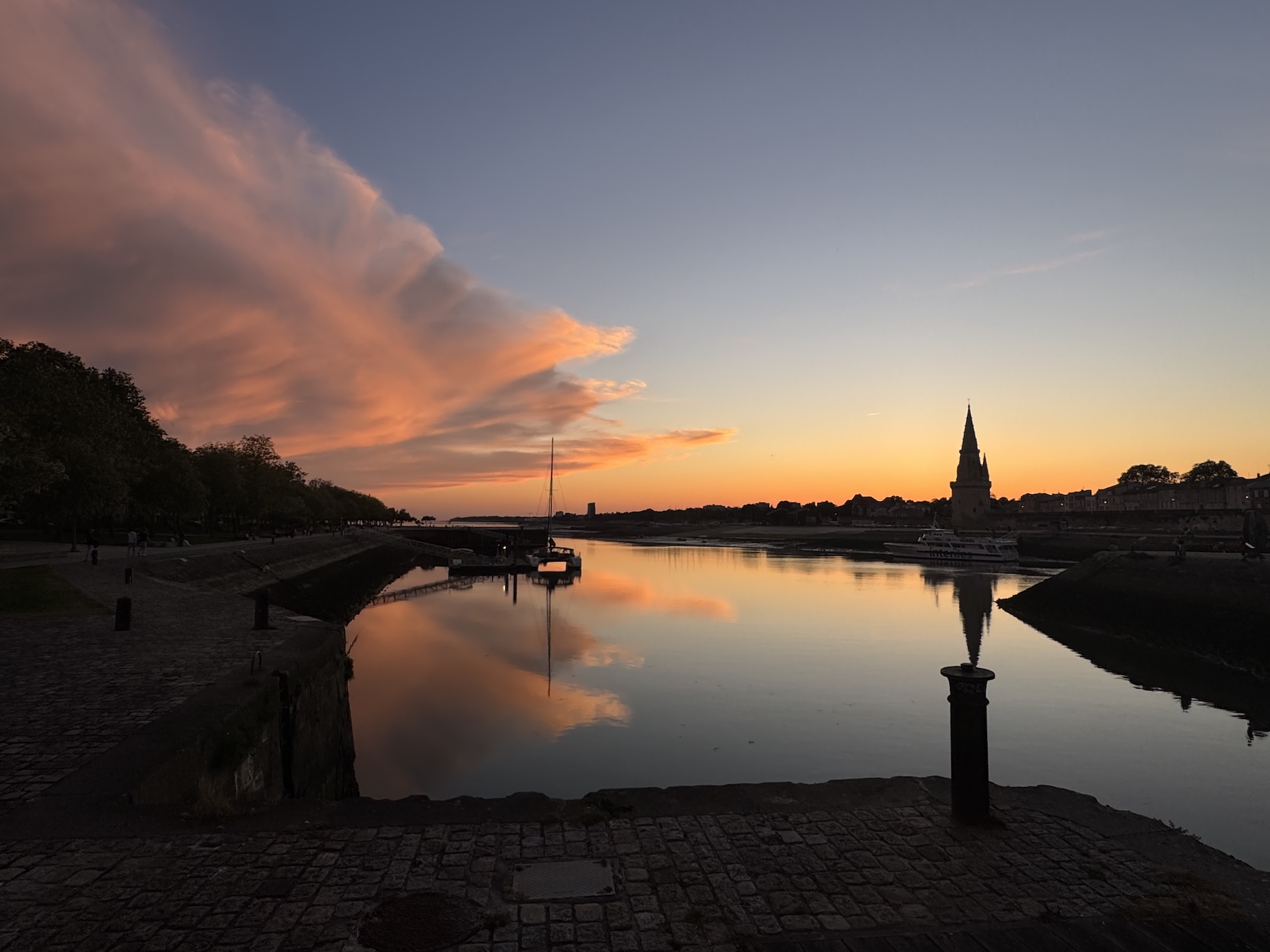
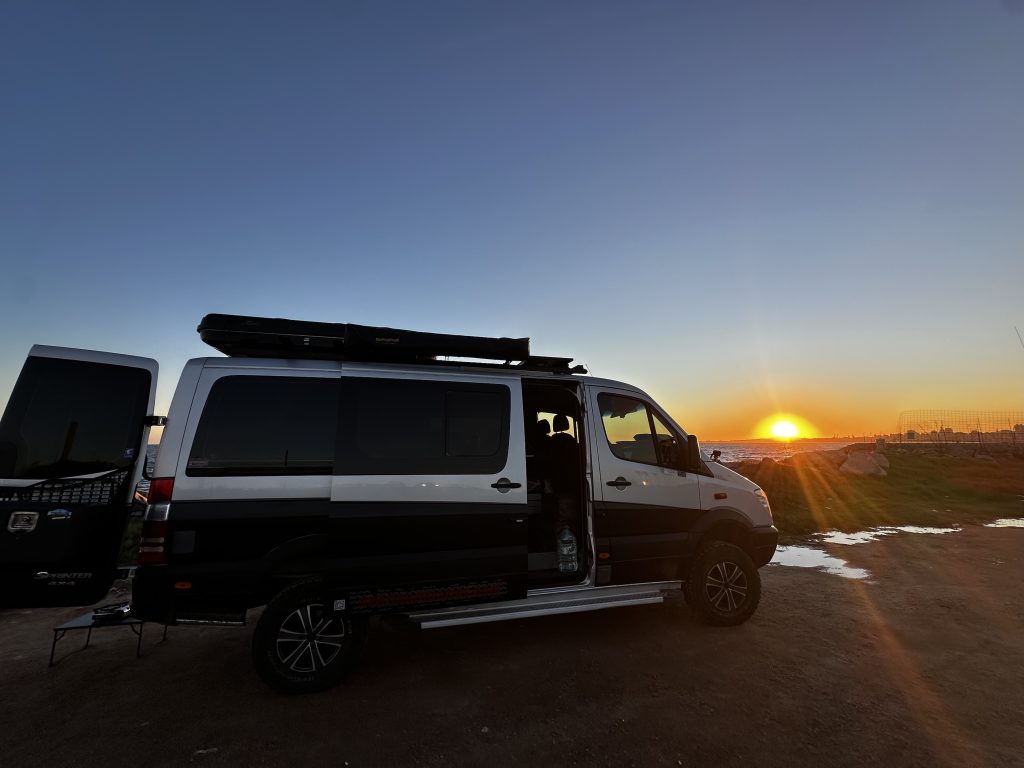
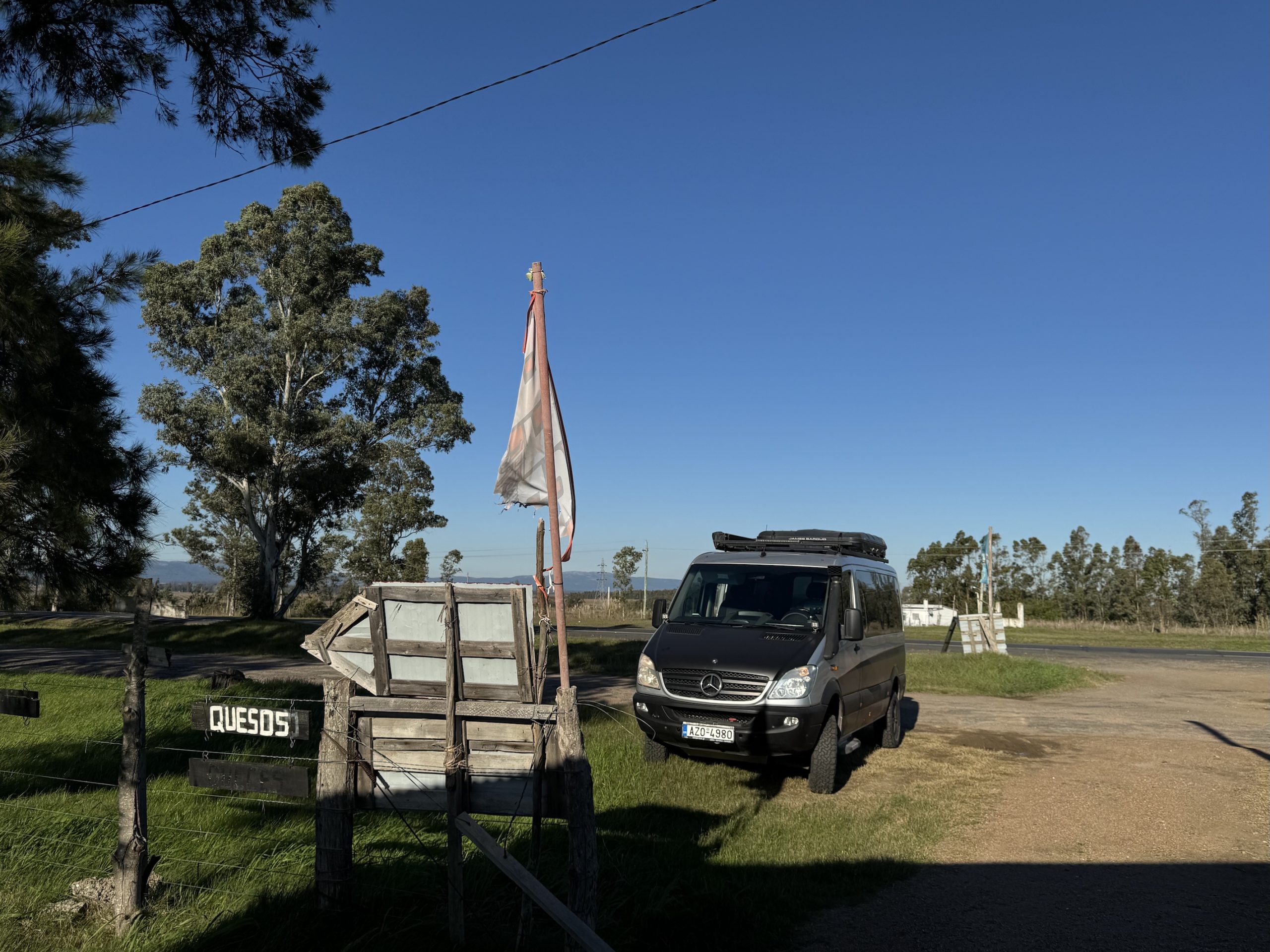
 We did not go far that first night. A quiet spot beside the Montevideo lighthouse gave us our first sleep back in Vekki G, engine off, roof tent up, and the process of reseting everything back to where they suppose to be. Just like that South America expedition was properly underway. From there we turned north along Uruguay’s Atlantic coast, through La Paloma and Punta del Diablo, two laid-back beach towns that were clearly built for the summer crowds and felt wonderfully empty in the low season. We continued inland towards Paysandú, where the region’s hot springs gave us a proper soak, a welcome bit of warmth as the winter chill had set in properly.
With Uruguay behind us, we crossed into Argentina for the second time, but this time by land and with our own wheels underneath us. Right after the border we found a lake with a mirador looking out over the water, and spent one of those nights that reminds you exactly why this lifestyle is worth it.
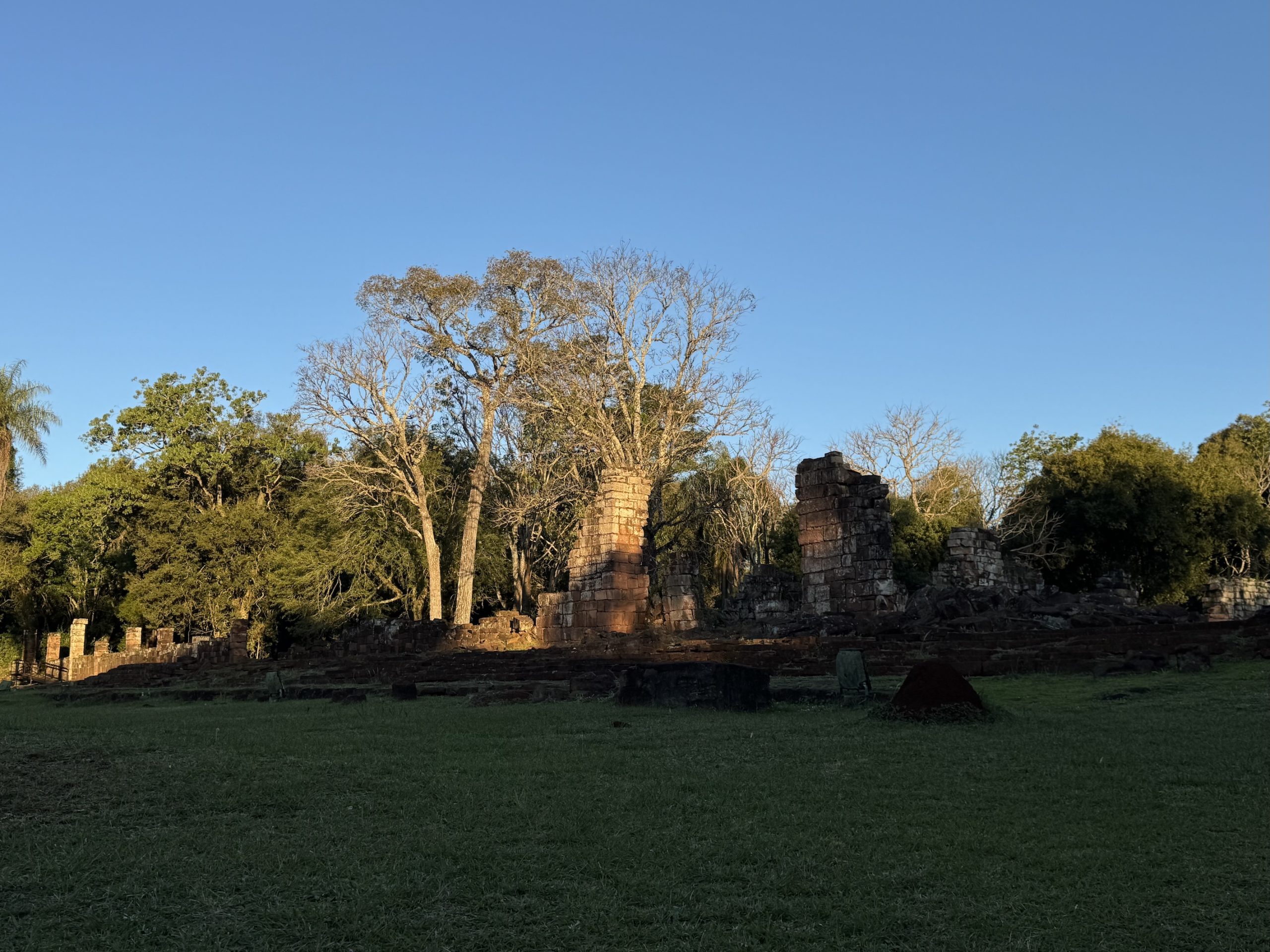
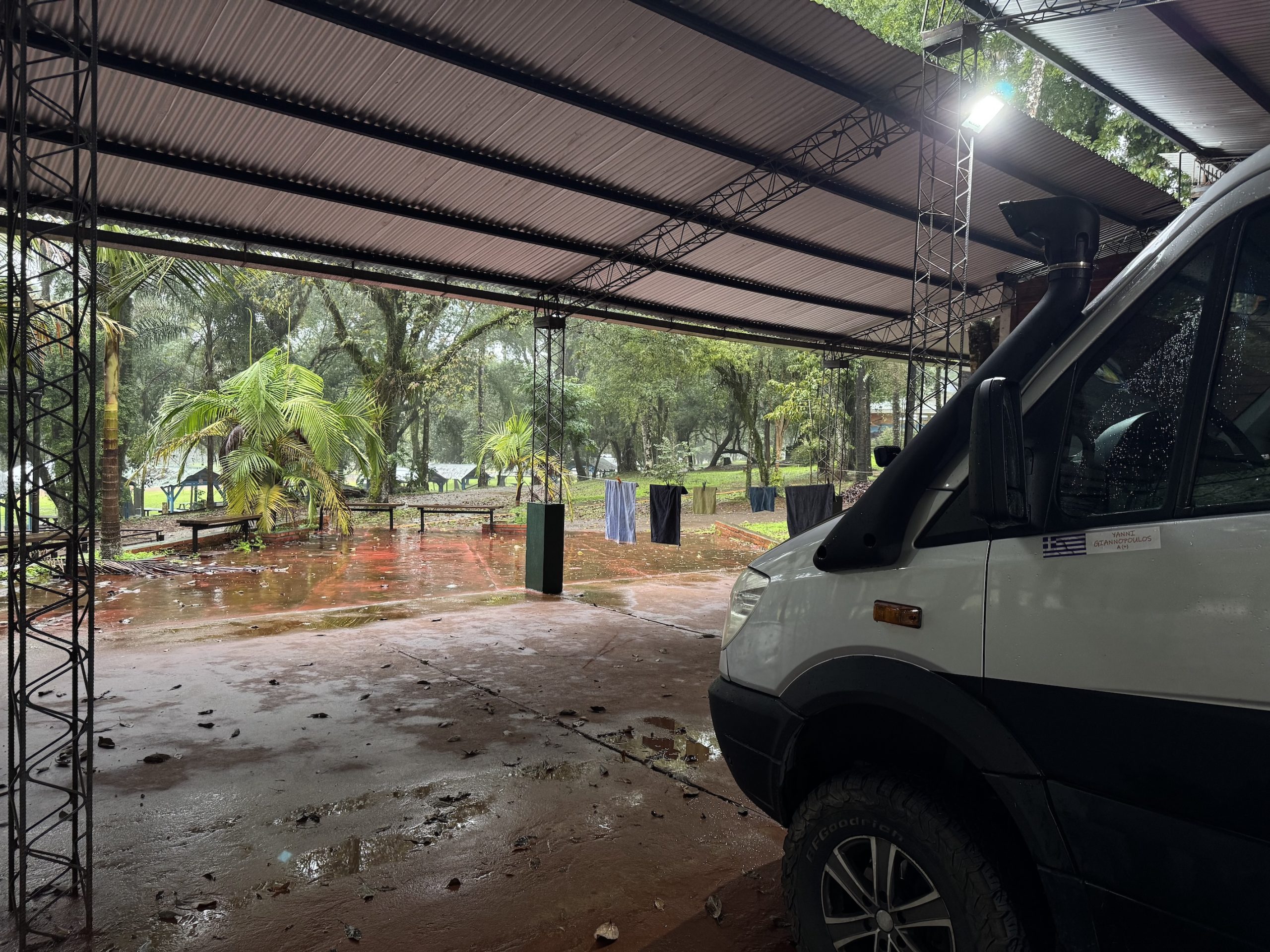
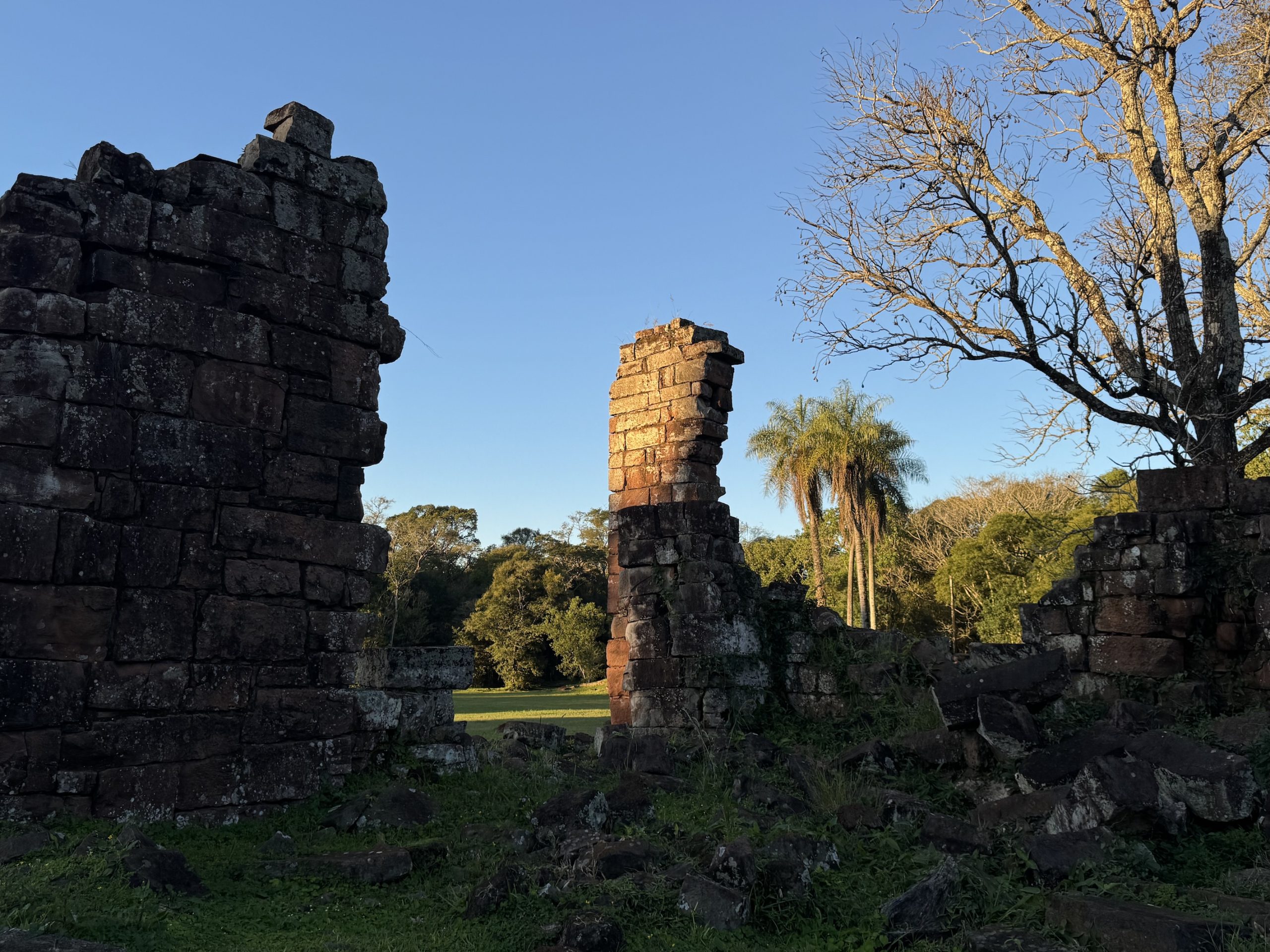
The road north took us through a string of small towns that carry real history. Federación, and its thermal baths was rebuilt after the original town was flooded by a dam decades ago. Yapeyú, birthplace of General José de San Martín, the liberator of Argentina, Chile and Peru. Concepción de la Sierra,with the Mate plantations and finally the Jesuit missions of Santa Ana and Loreto, atmospheric ruins from the 17th and 18th centuries when Jesuit priests and Guaraní communities built an entire network of reducciones across this region before the order’s expulsion in 1767. Walking among the overgrown stone walls, it is not hard to imagine what these settlements once were.Then the weather turned on us. Tremendous rain settled in for days, and somewhere in the middle of it we discovered our skyroof was leaking, water finding its way in through the seams. We retreated to Salto de Tabay to sit it out, drying gear, tracking down the source of the leak and waiting for a break in the clouds before pushing on.
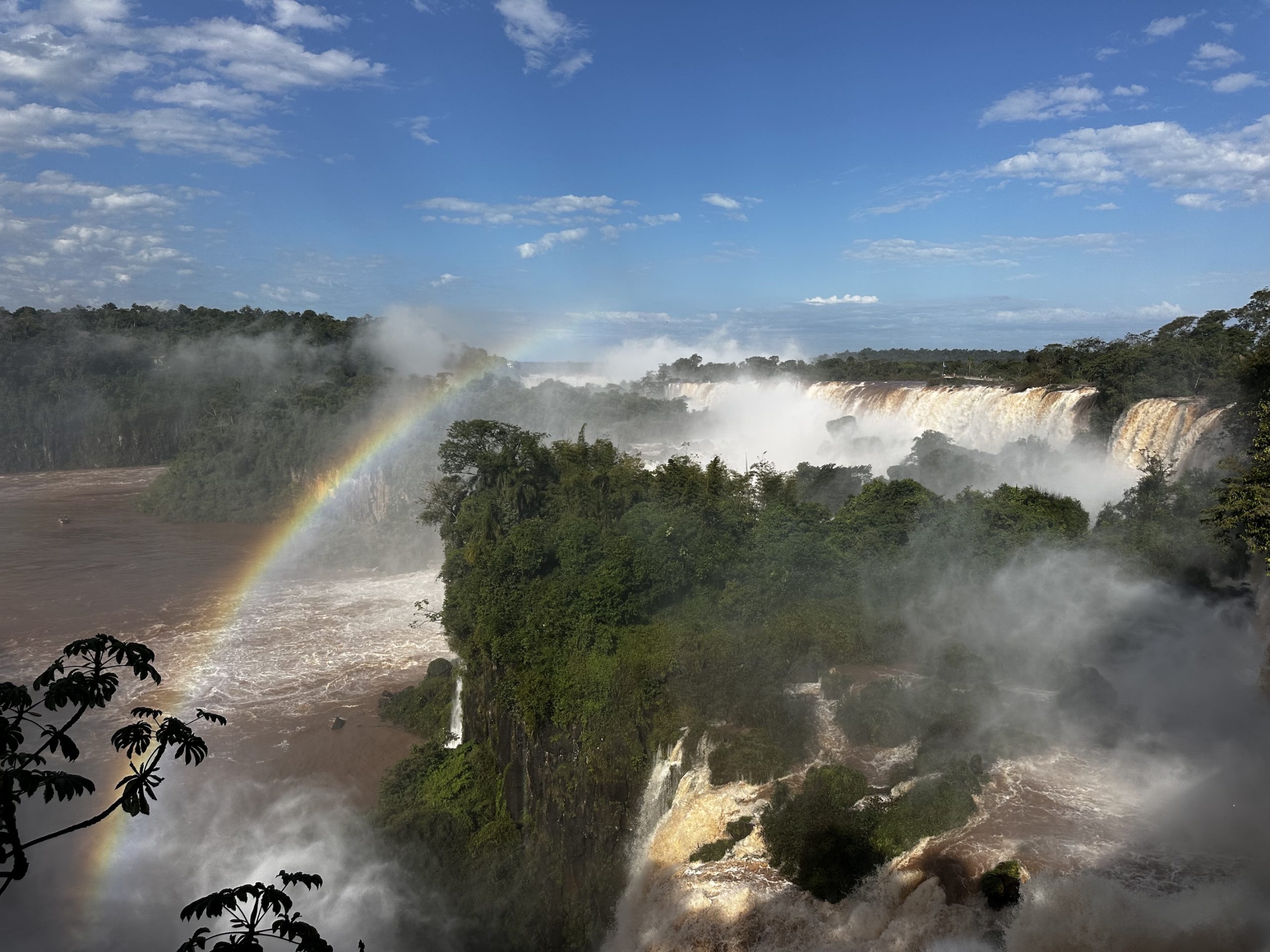

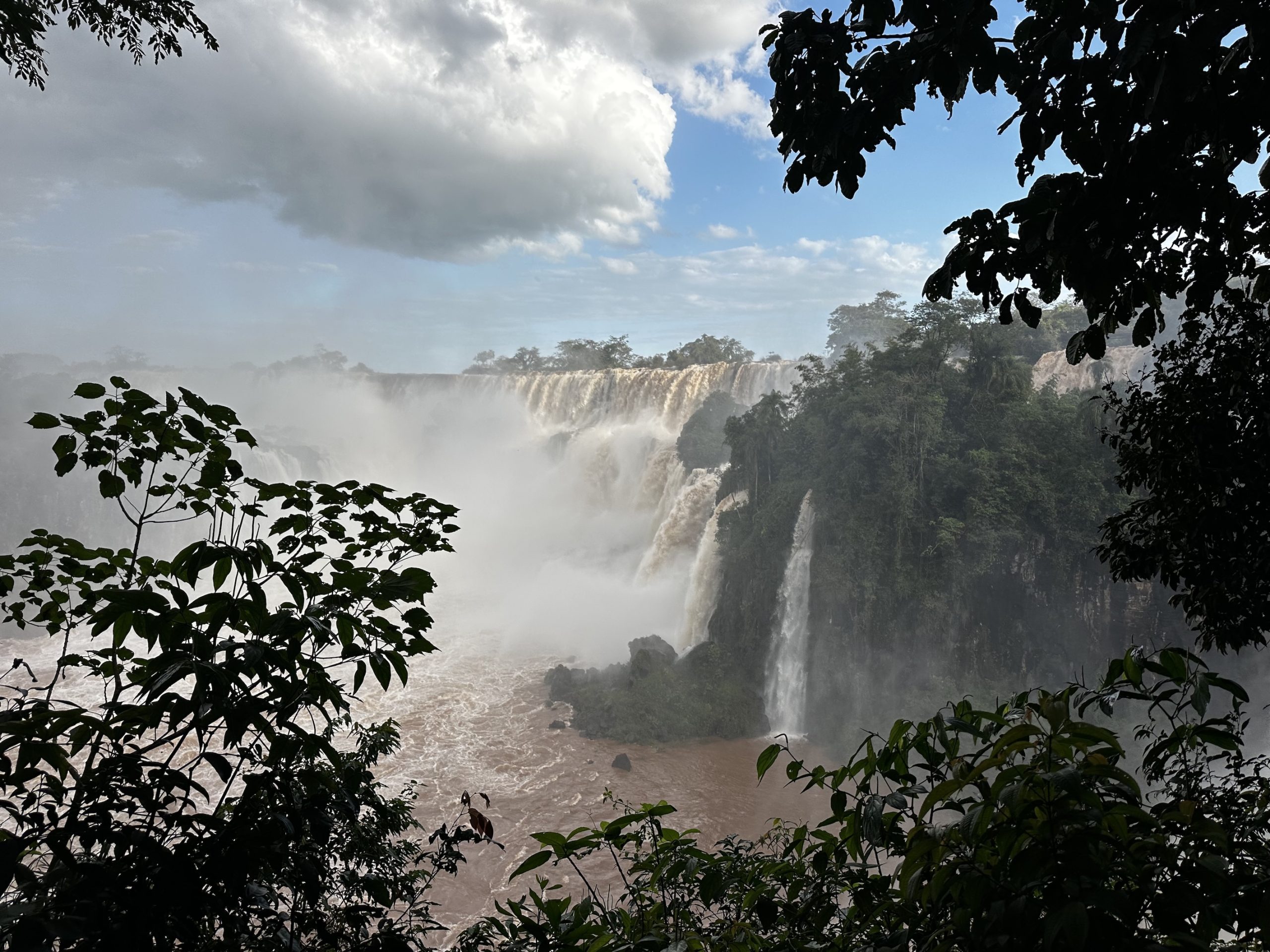
 Our final stop on this stretch was Puerto Iguazú, and we gave ourselves several days to do justice to Iguazú Falls from the Argentine side. The falls themselves are not a single waterfall but a system of roughly 275 individual cascades strung along nearly three kilometres of the Iguazú River, straddling the border between Argentina and Brazil inside a UNESCO World Heritage-listed national park. The Argentine side gets you up close in a way the view from across the border simply cannot match(we have visited Brazil side 10 years ago). A network of raised metal walkways, the Circuito Superior and Circuito Inferior, lets you weave along the top and bottom of the falls, past curtains of water crashing through subtropical jungle alive with coatis, toucans and butterflies. The undisputed highlight is the Garganta del Diablo, the Devil’s Throat, a horseshoe-shaped chasm where fourteen separate falls converge and plunge some 80 metres in a single roaring column of spray. Reaching it means a scenic train ride followed by a long walkway out over the river itself, and standing at the railing with the mist soaking through your clothes and the noise drowning out conversation is genuinely one of those moments that lives up to the hype.
Although most of this part of the trip was not strictly overlanding, as we were without our vehicle for a good stretch of it, Buenos Aires and Montevideo had their own charm as an introduction to a continent we had been so looking forward to travelling. The coast of Uruguay and Misiones, that northeast corner of Argentina, were all covered within our first month back on the road. From Puerto Iguazú the border crossing into Brazil was only a few kilometres away, and with the falls behind us, it was time to cross the Rio Iguaçu before Brazil itself opened up ahead of us.