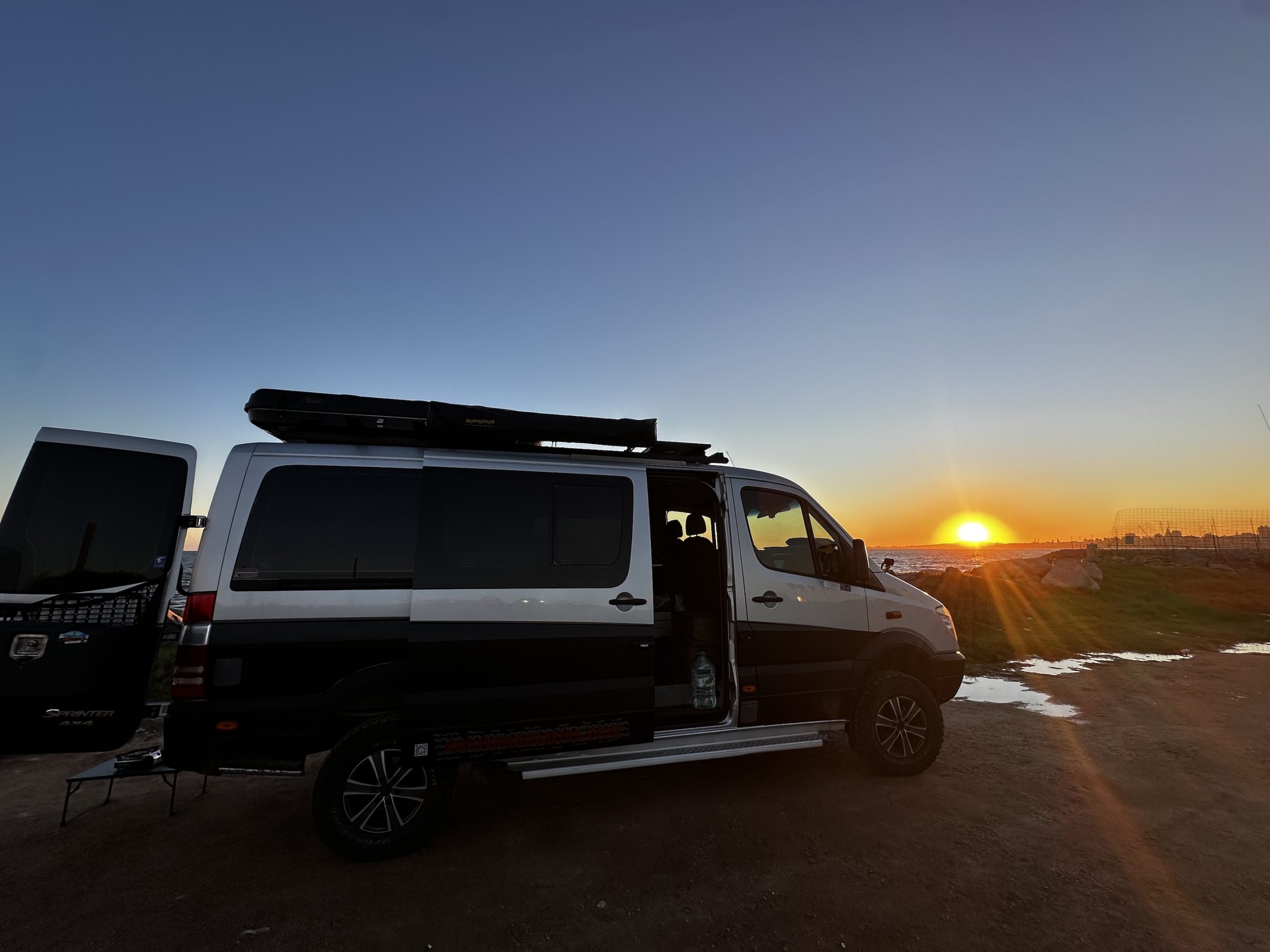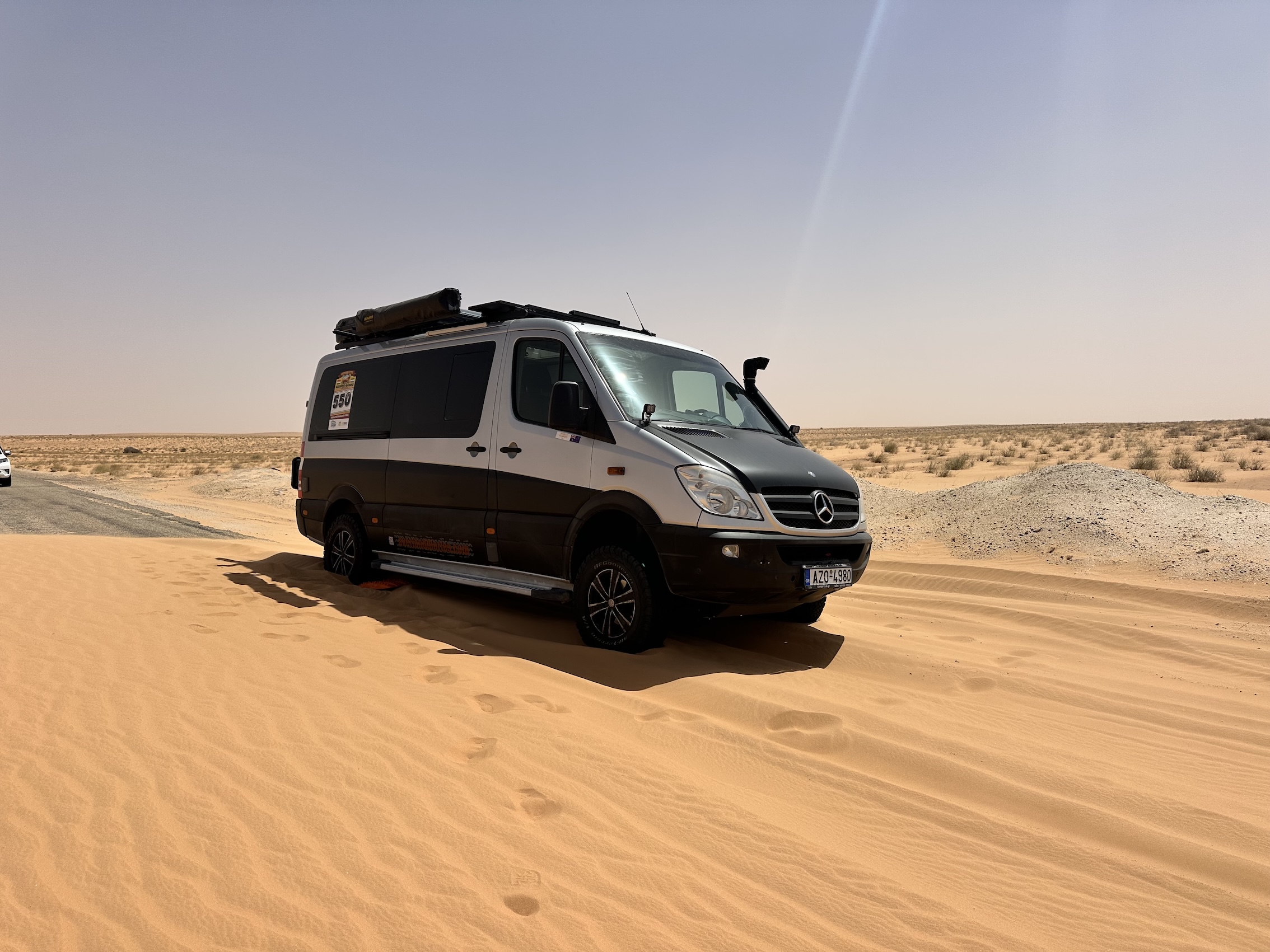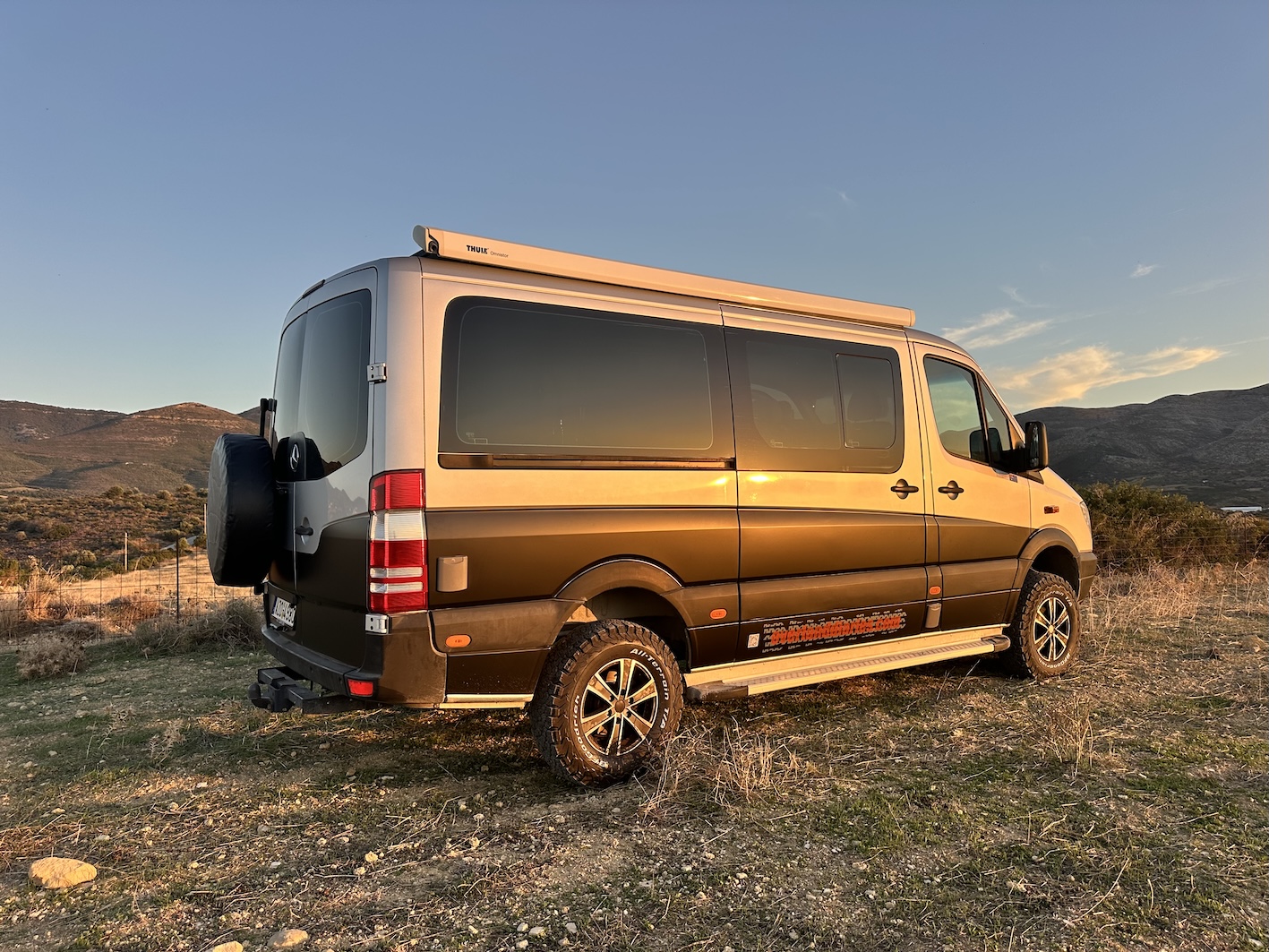
 There is always something bittersweet about leaving Africa. After months of dust, heat, unpaved tracks and the kind of raw adventure that never quite translates into words, stepping back onto European tarmac feels surreal. Smooth roads, functioning traffic lights, supermarkets where you can find anything you want, it all feels almost too easy.
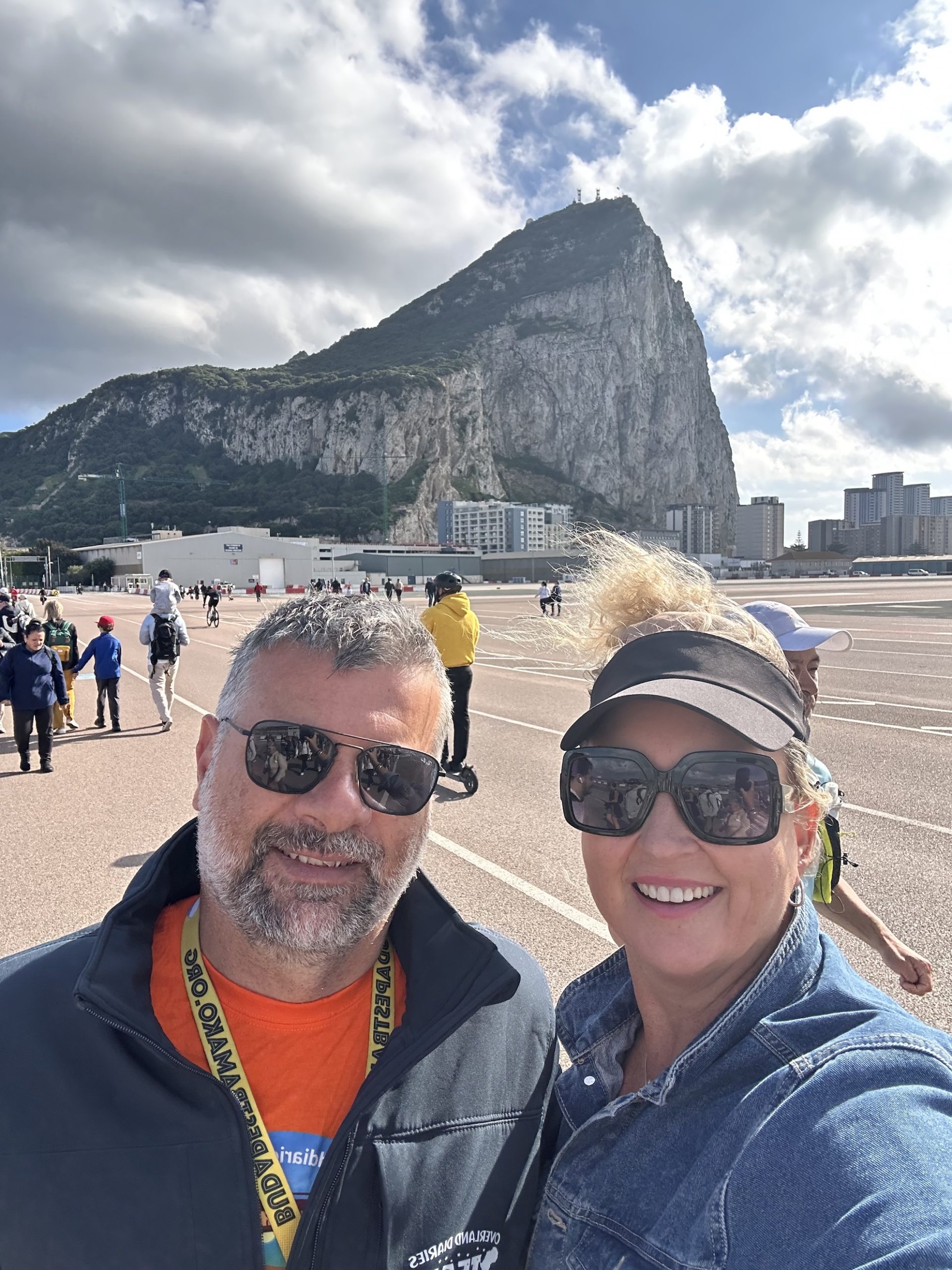
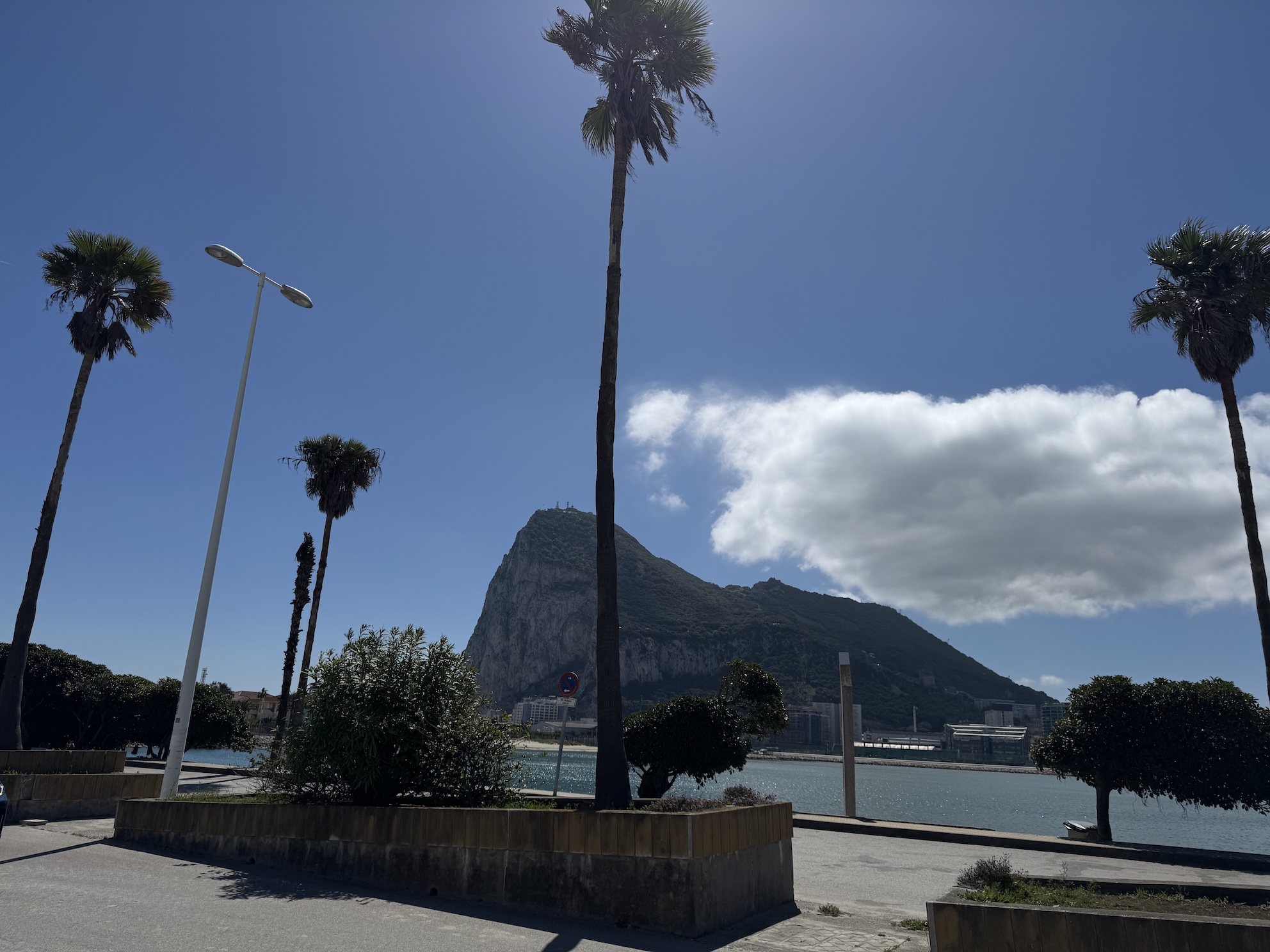
But again we had a mission. The vehicle needed to be in Hamburg, and from there it would sail across the Atlantic to South America, where the next chapter of this adventure was ready and waiting for us. So, with Morocco behind us, we went back into the Rock of Gibraltar , one of those places that never fails to impress, no matter how many times you pass through. Standing at the entrance to the Mediterranean, this limestone monolith carries centuries of strategic and military history on its shoulders. We did not linger long, but it served perfectly as a kind of symbolic gateway from one world to another.
 From Gibraltar we followed east along the Costa del Sol, which felt like a gentle re-immersion into Europe. Benalmádena and Torremolinos came first, two towns that have given themselves entirely to tourism, sun and the good life. The marina in Benalmádena is genuinely impressive, lined with restaurants and boats of every size, while Torremolinos has its own relaxed, slightly retro charm that we appreciated. We were not here to sightseeing in the traditional sense; we were here to breathe, recover and enjoy the Mediterranean light after weeks in the desert.
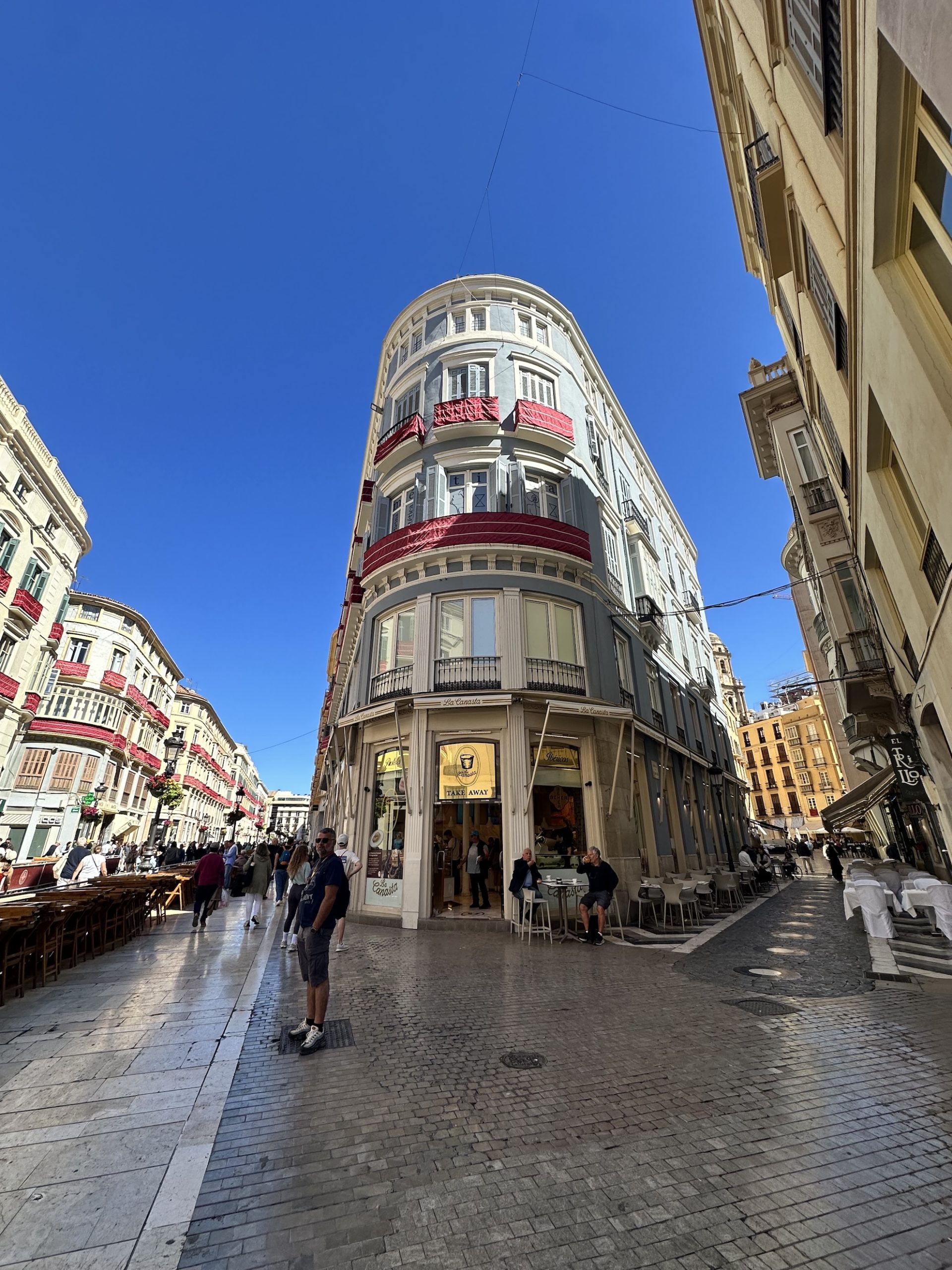
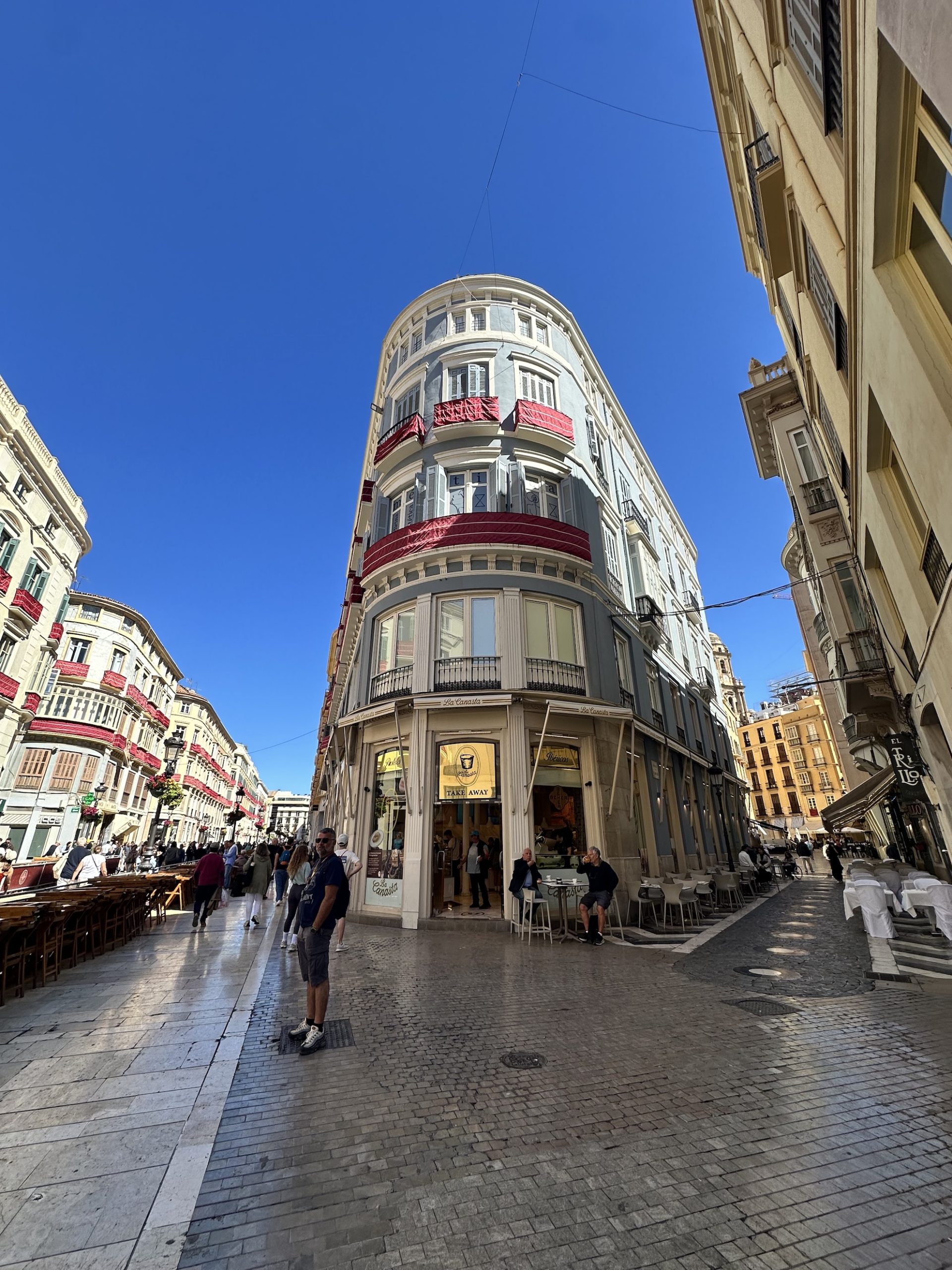
Málaga was next, and as always, it delivered. The capital of the Costa del Sol is far more than a package holiday gateway; it is a real, living Spanish city with one of the best old towns on the Iberian coast, a spectacular Moorish Alcazaba fortress and, of course, the honour of being Pablo Picasso’s birthplace. Even though art is not my thing, walking through the historic centre past the Roman Theatre and up to the Castillo de Gibralfaro is an afternoon was time very well spent.
Pushing northeast, we reached the Mar Menor, the largest saltwater lagoon in Spain, separated from the Mediterranean by a narrow strip of land. Las Alcázares sits right on the shores of this inland sea, a quiet and pleasant town that felt a world away from the busier resorts further west.
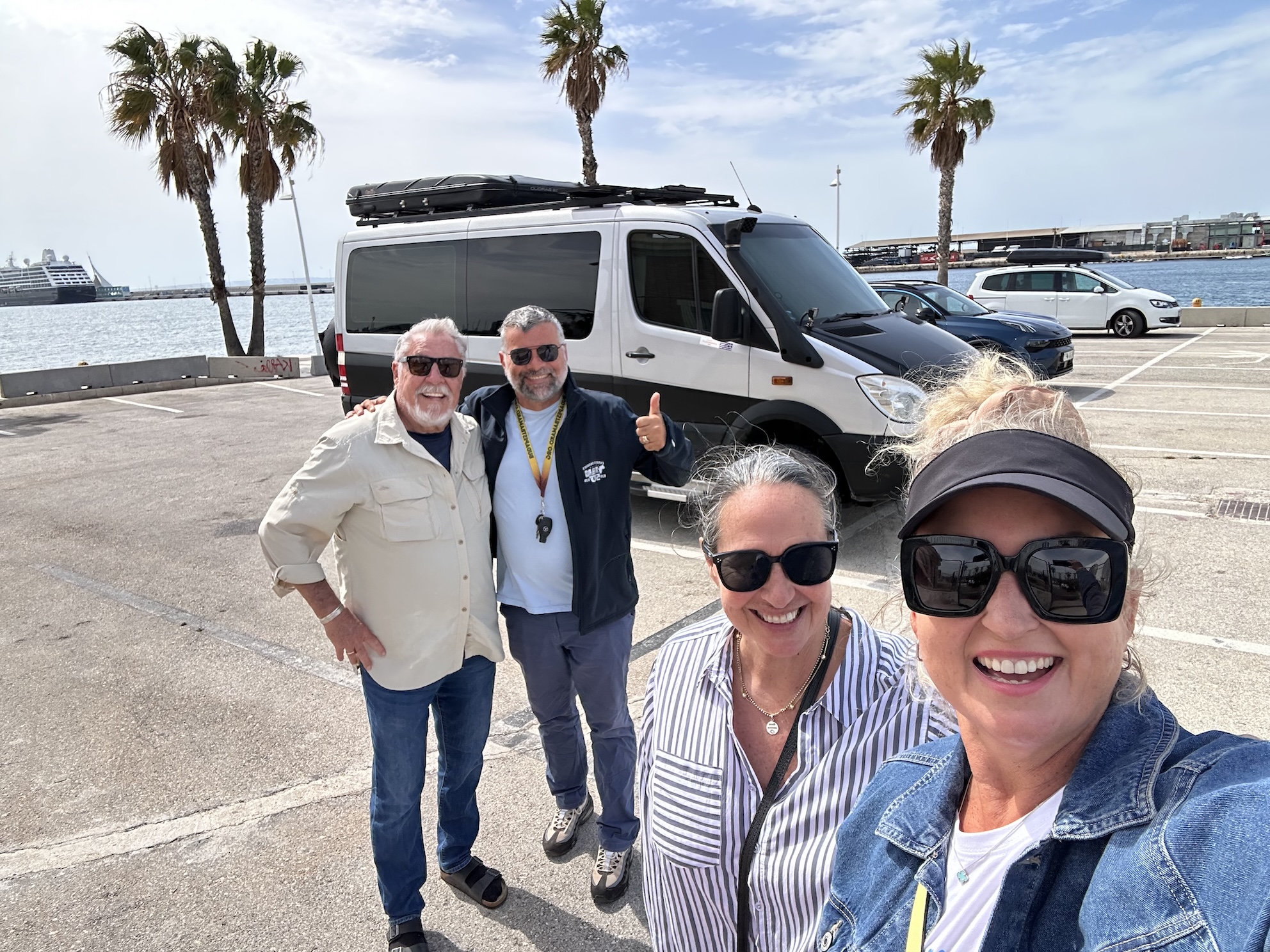
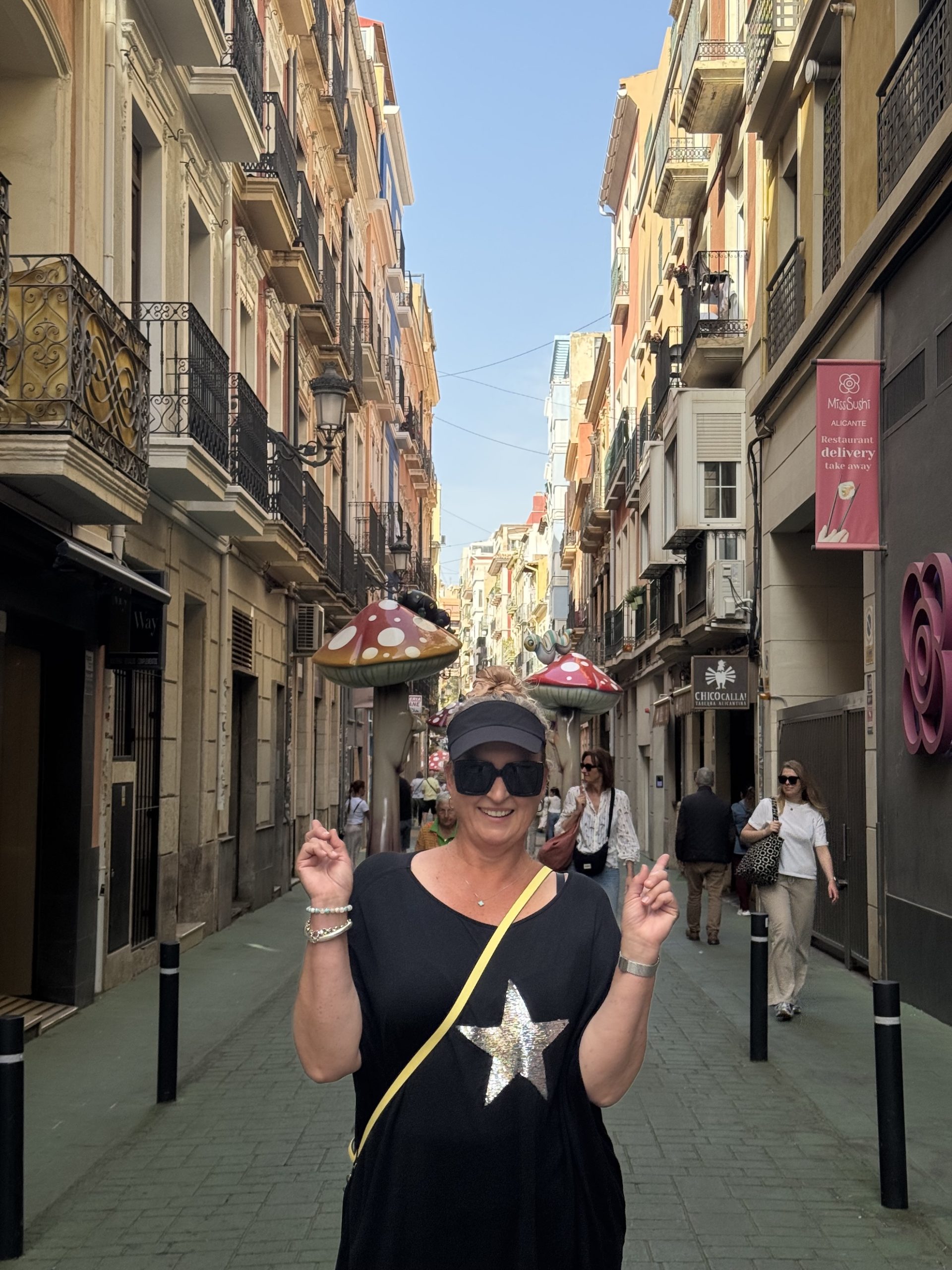
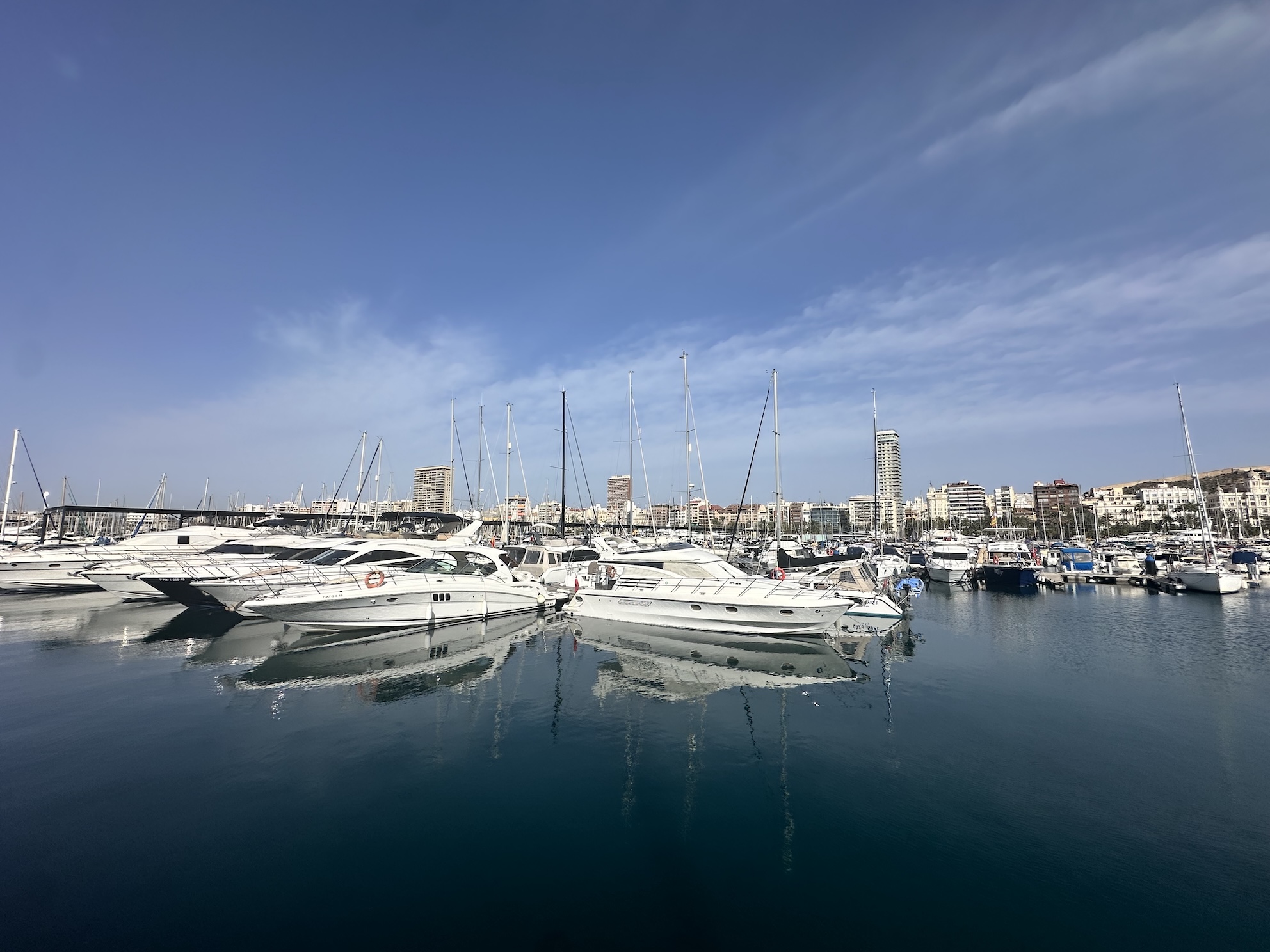
Then came Alicante, and Alicante brought one of the genuine highlights of the entire European leg. Joe and Joshie were waiting for us there. Fellow overlanders, people who understand this life in the way that only those who have lived it can. There is a particular kind of joy in meeting your own people on the road, those who get why you would rather sleep in a vehicle than a hotel, who can talk for hours about routes and borders and breakdowns without anyone’s eyes glazing over. We spent quality time in Alicante together, exploring the city and catching up over good food and great conversation. Alicante itself is worth far more than most people give it credit for and is one of those places that makes you slow down and simply enjoy being somewhere beautiful. We were grateful for their time.
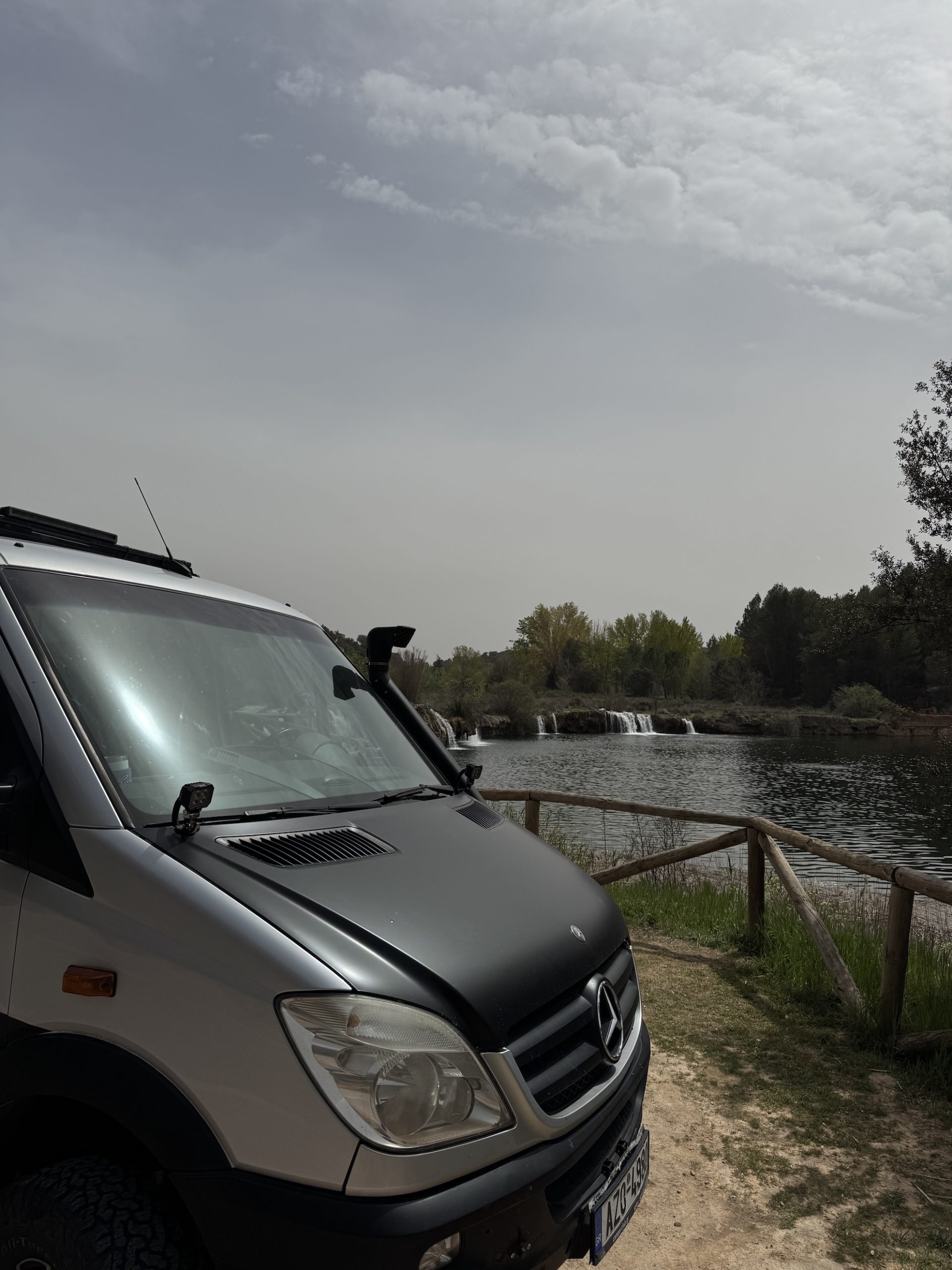
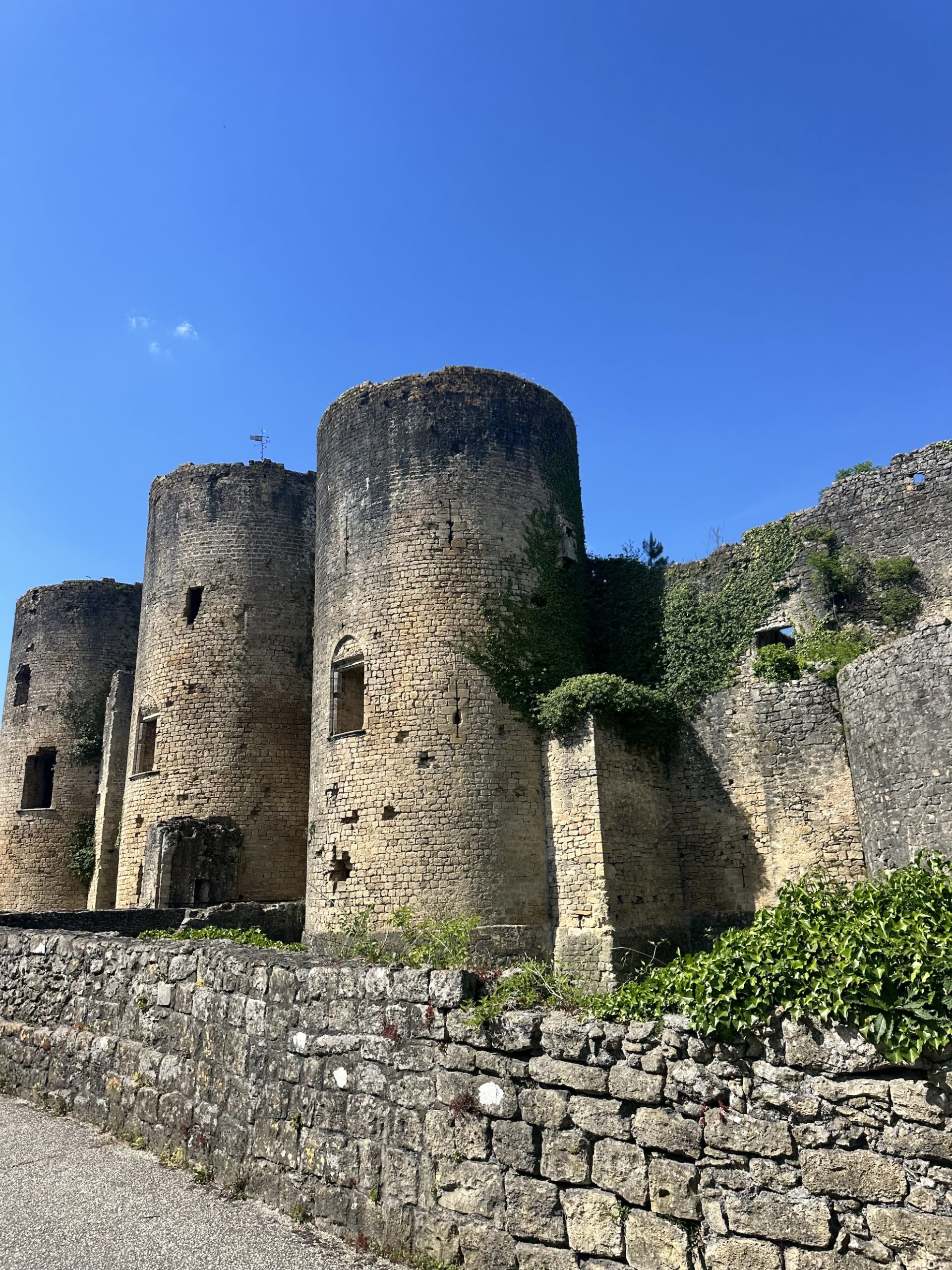
After Alicante, we turned inland and the landscape shifted completely. This is the Spain that many visitors never see: the high meseta, ancient hilltop towns, the vast empty spaces that sit between the coastal holiday strips and the capital. Chinchilla de Monte-Aragón was our first stop, a medieval town that rises dramatically above the surrounding plain on a prominent hill topped by a ruined castle. It is quiet, almost otherworldly, and the kind of place that makes you wonder how it must have looked in its prime. We did not spend long there, but it festivities left an impression.
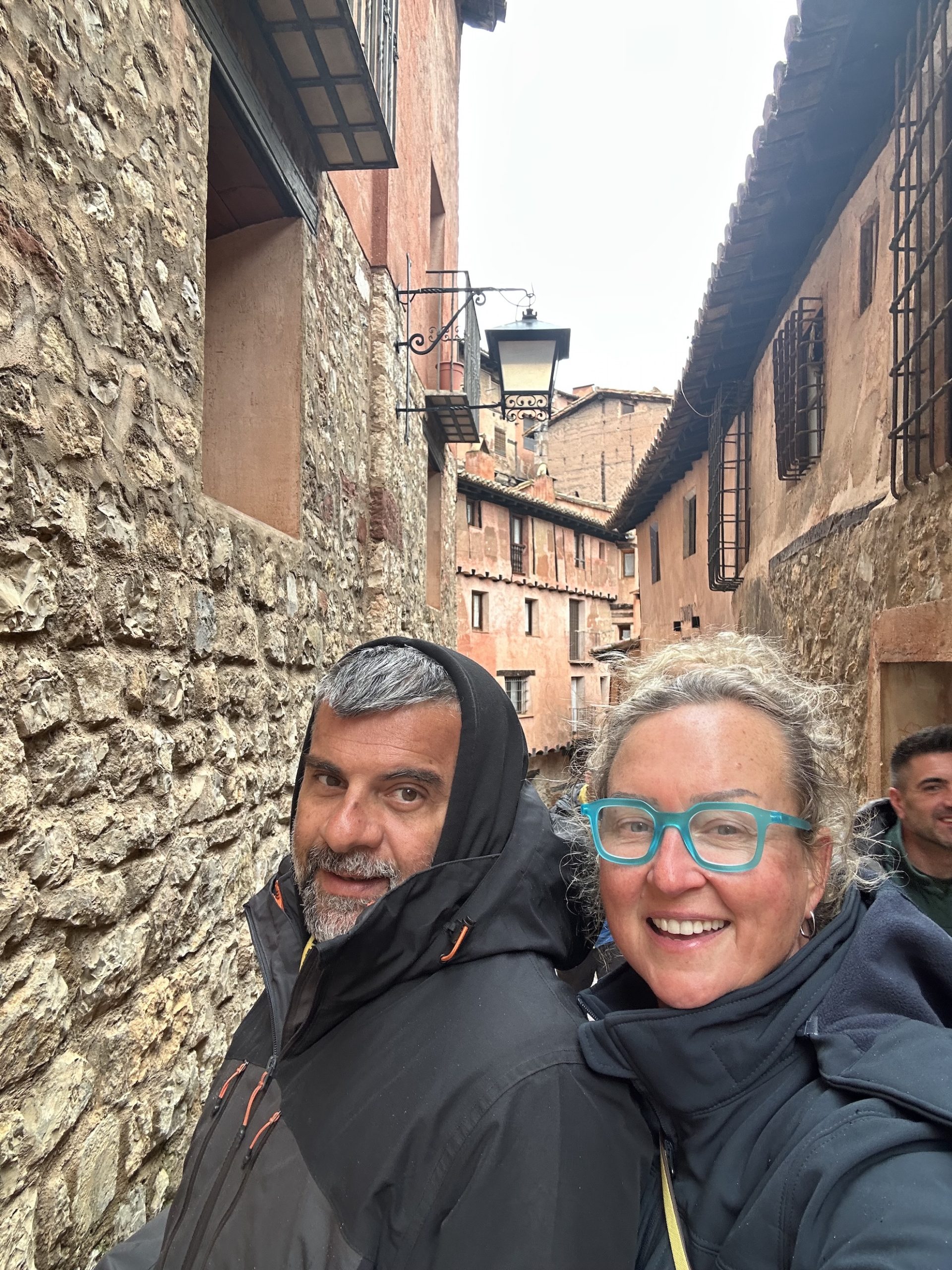
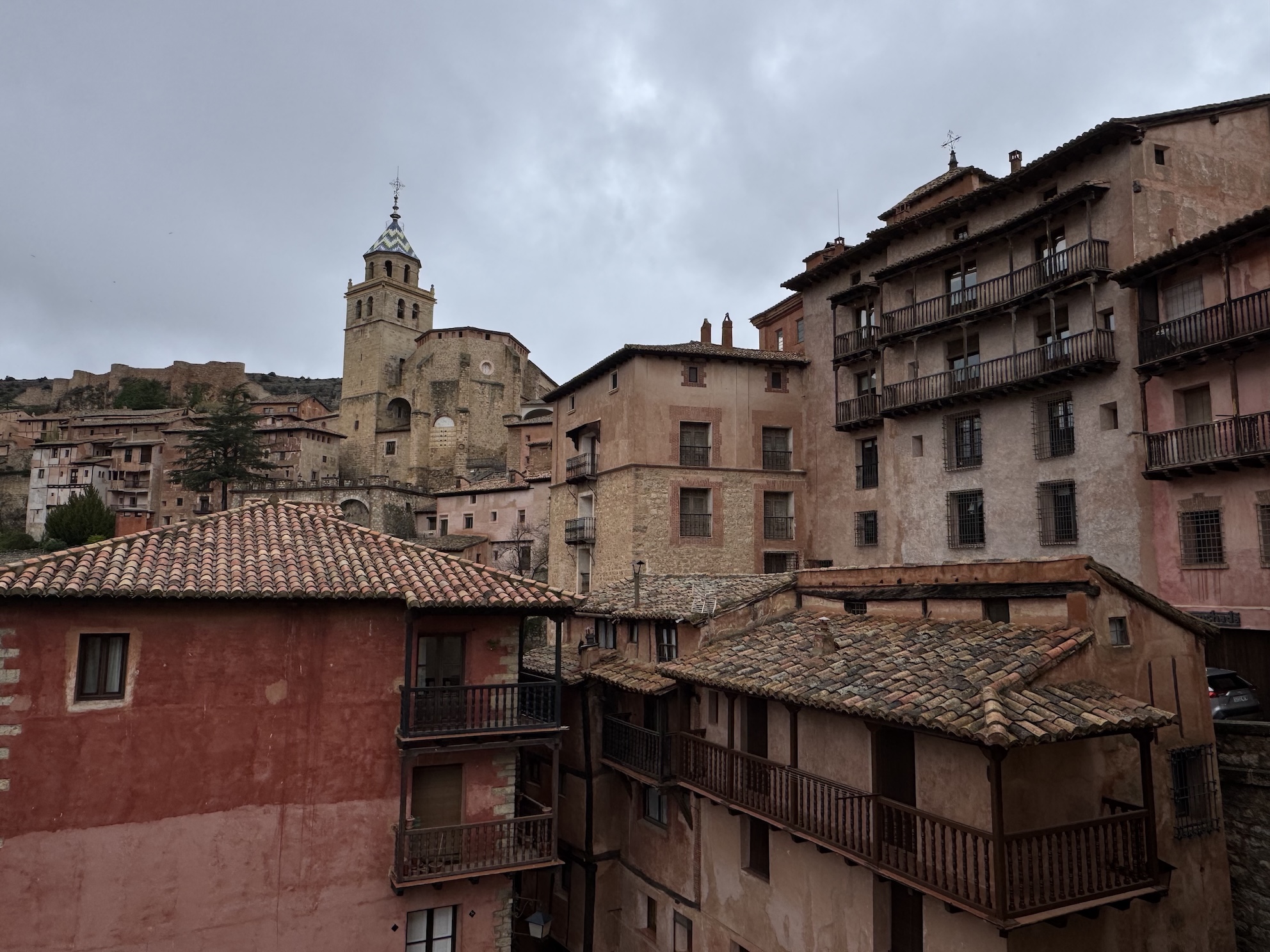
 Albarracín, however, was something else entirely. Regularly described as one of the most beautiful villages in Spain, Albarracín sits in a dramatic gorge of the Guadalaviar River in Aragon and is surrounded by medieval walls. The narrow, winding streets seem almost impossible to navigate (they were clearly not designed with vehicles in mind). If you have never been, it should belong on your next to visit list. Finally came Zagora and Escalona, two more towns where history sits visibly on every stone wall and every church tower, before we were ready to cross into France.
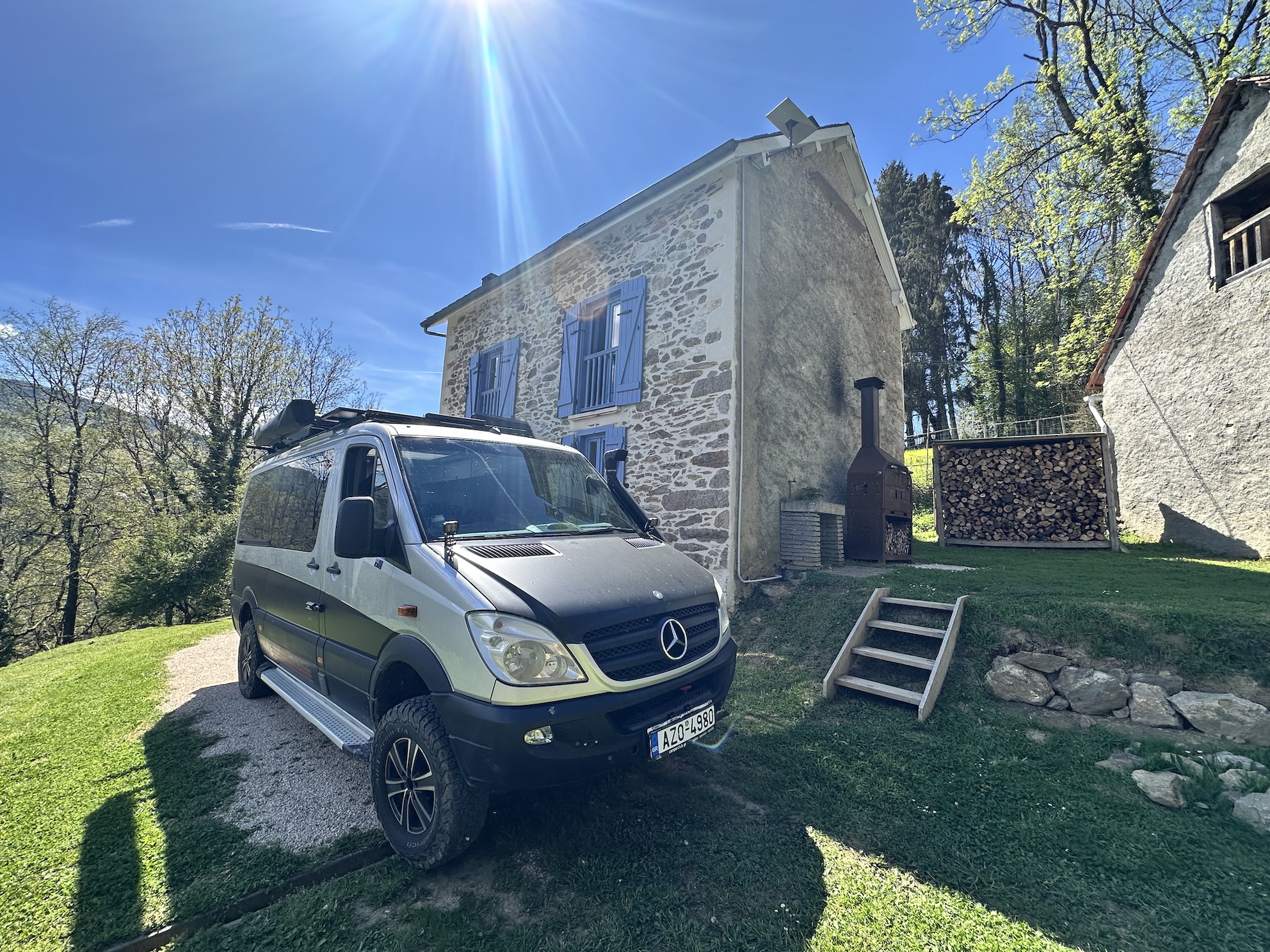
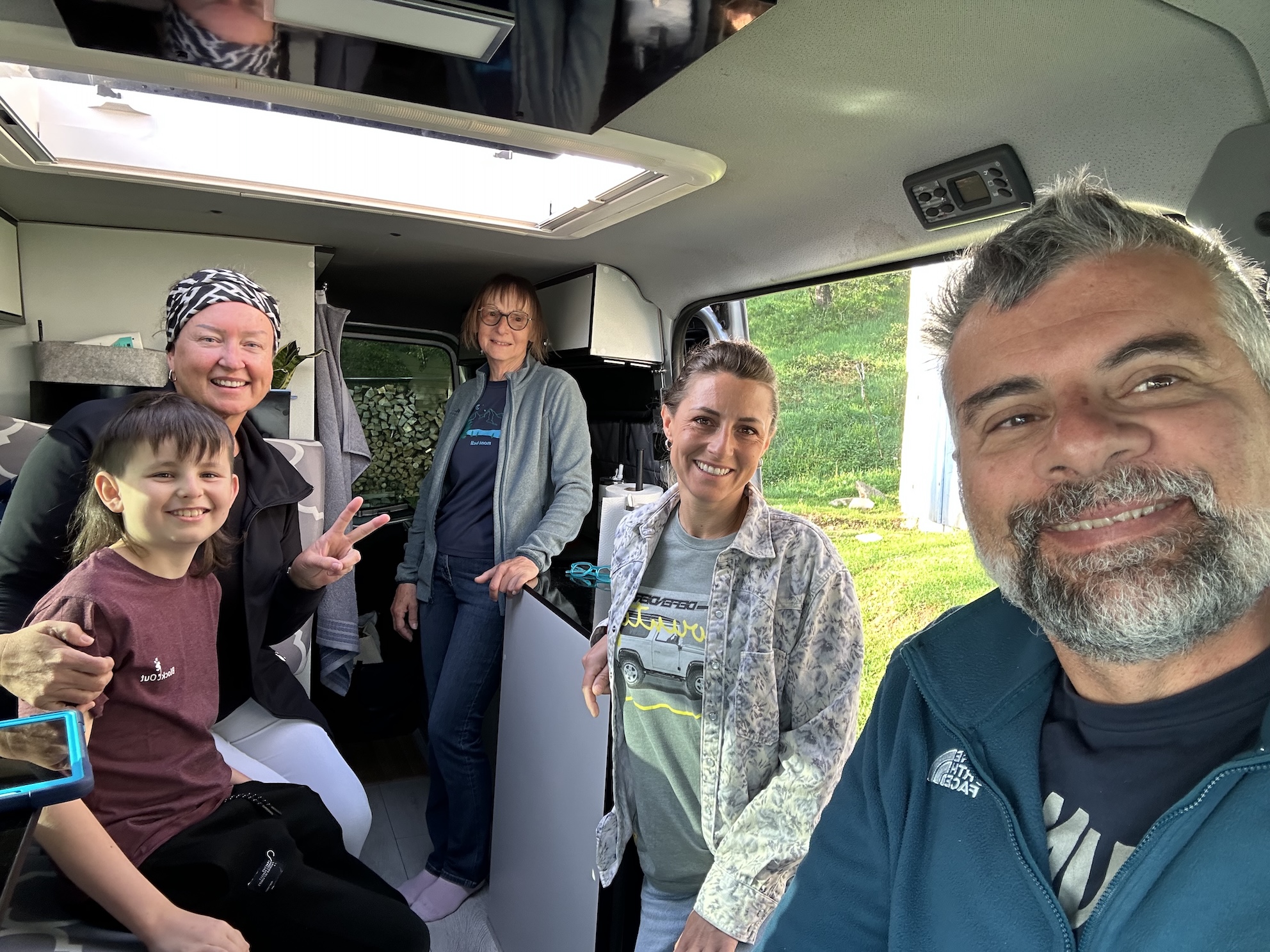
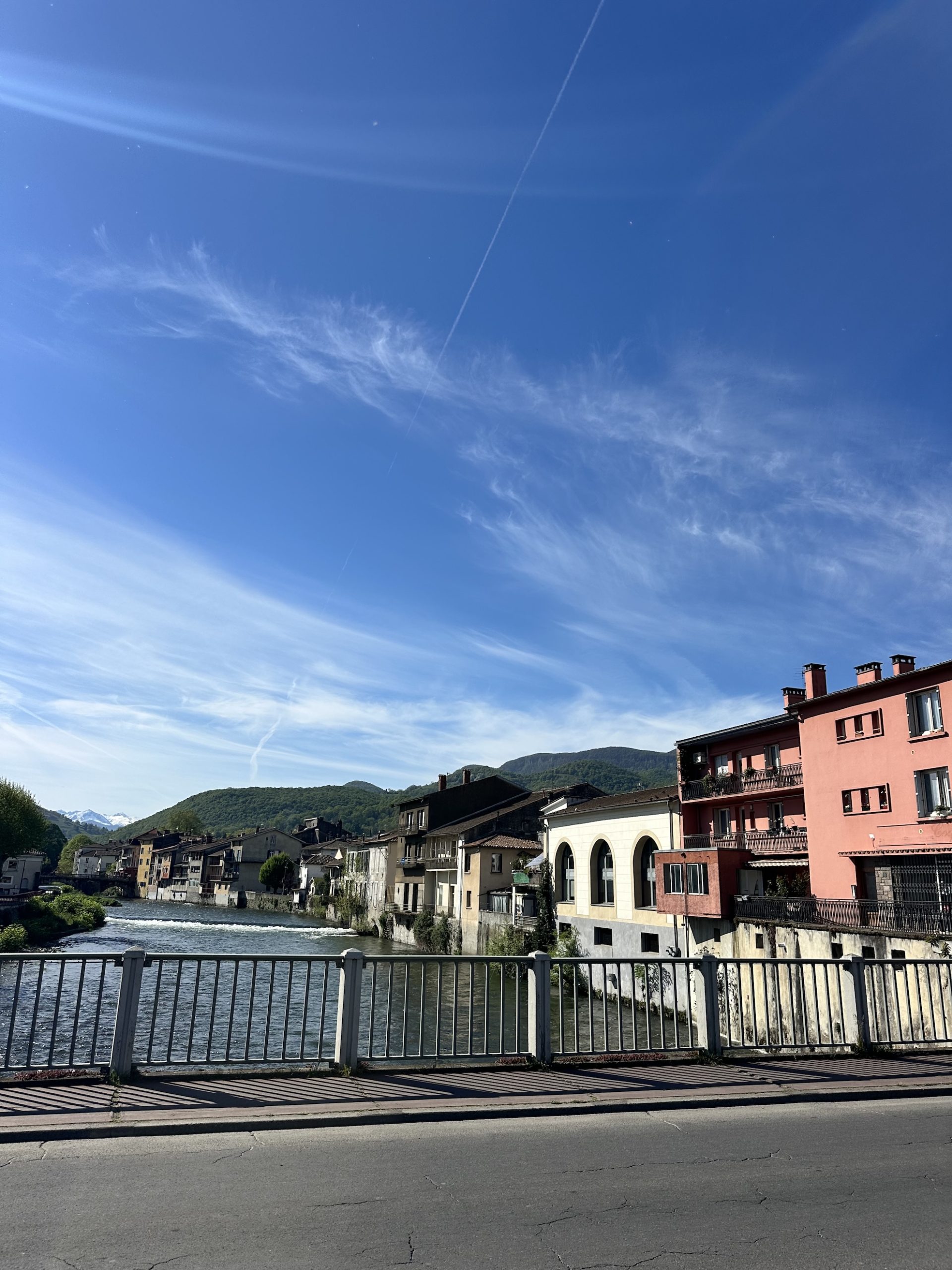
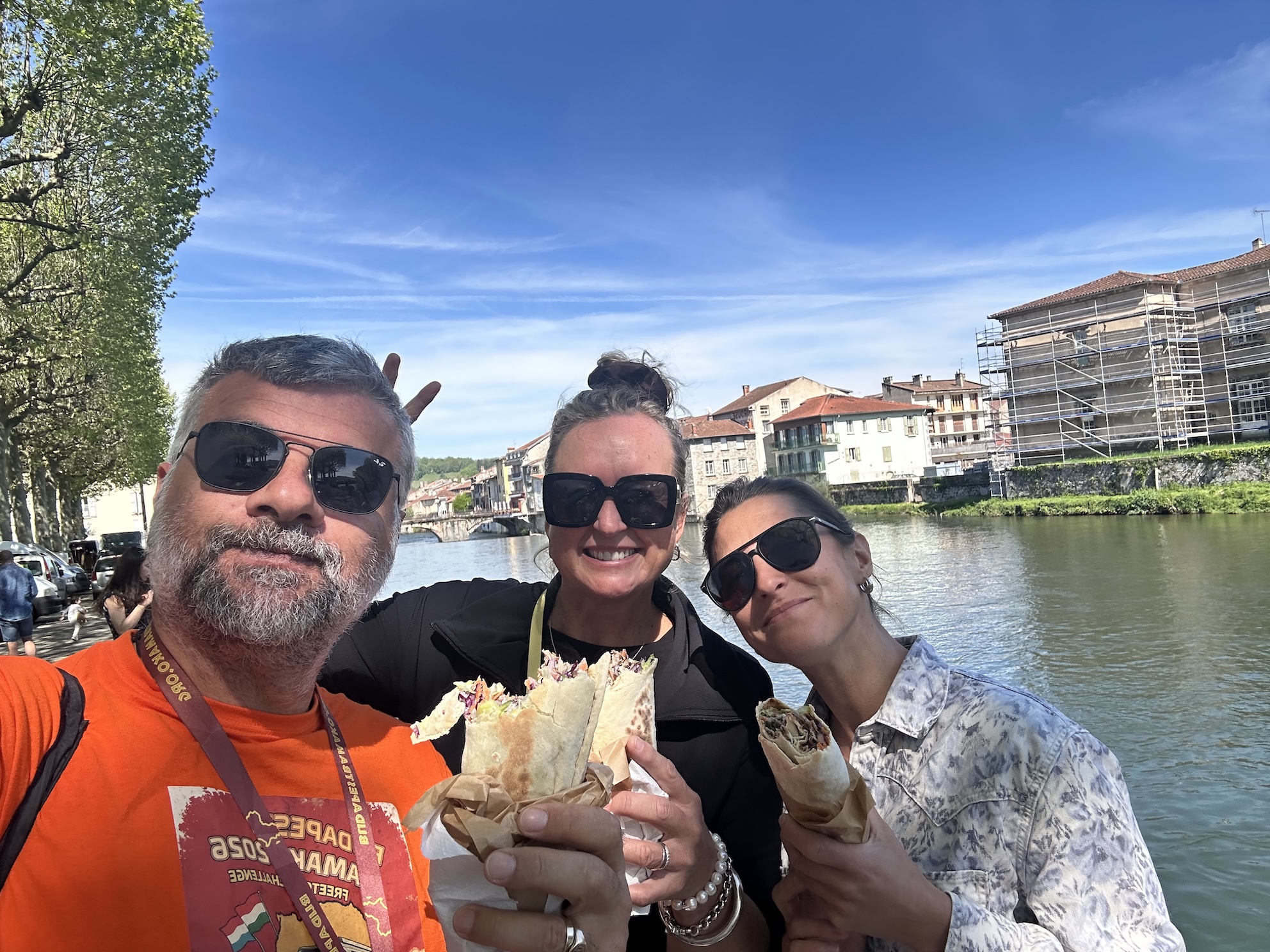
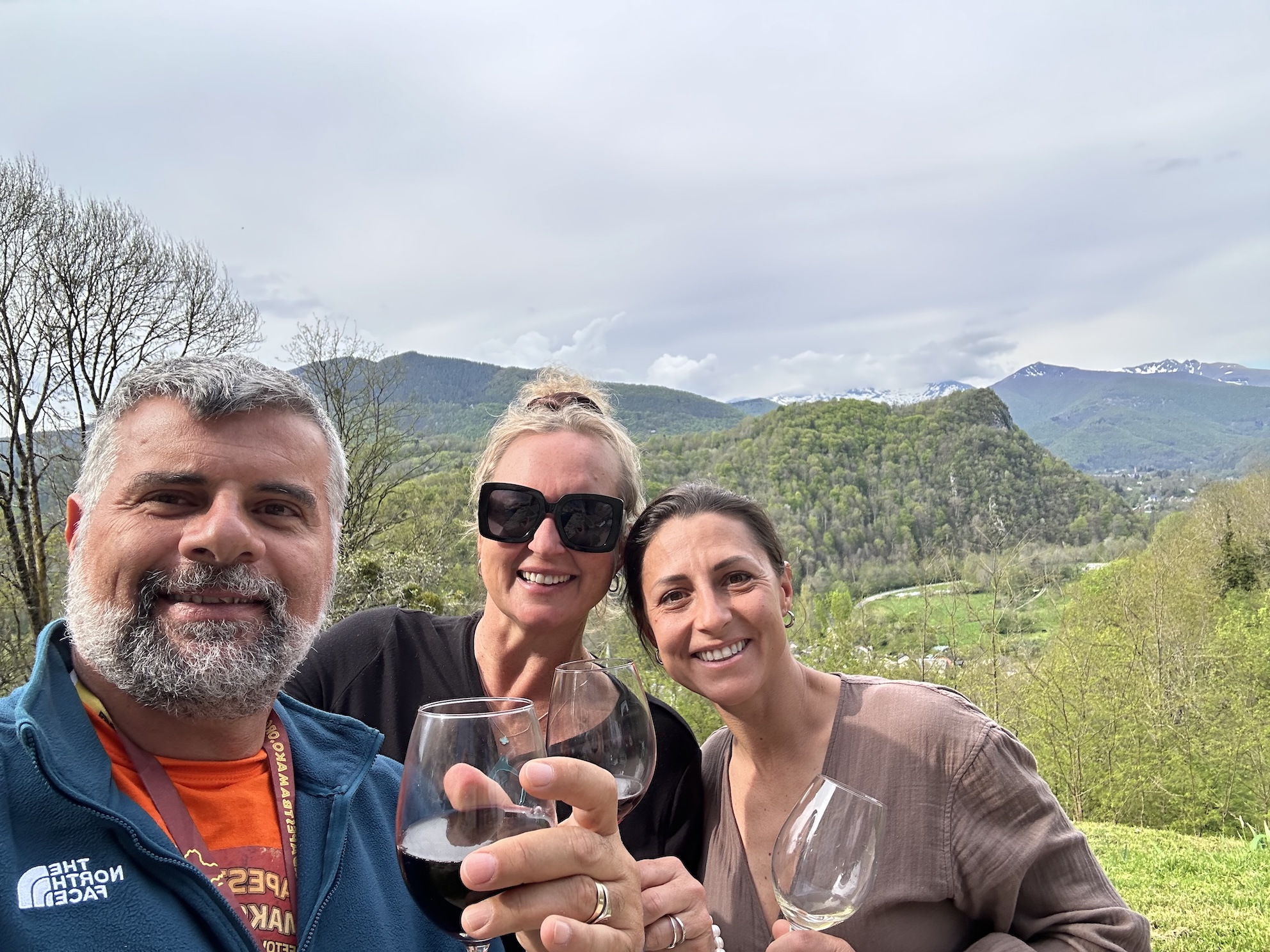
There is something about the Pyrenees that resets you. Perhaps it is the scale of the mountains, or the clean air, or simply the way the landscape demands that you slow down. For us this time, there was an extra dimension to it: our great friend Steph was waiting. Steph, together with her husband Leigh and their Land Rover Grizzly & Bear, have been travelling for more than seven years around the world and have now chosen Biert as their new home.
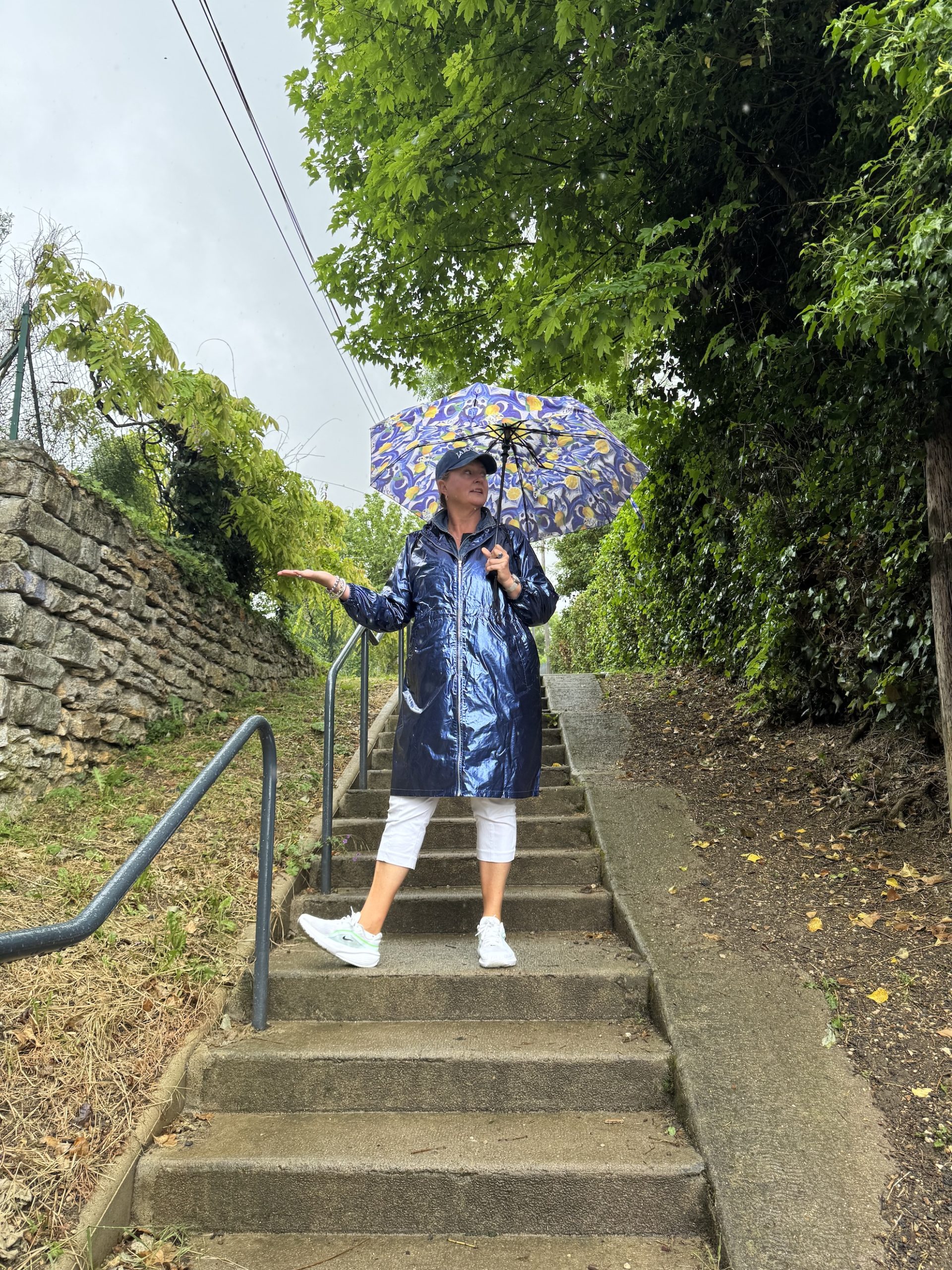
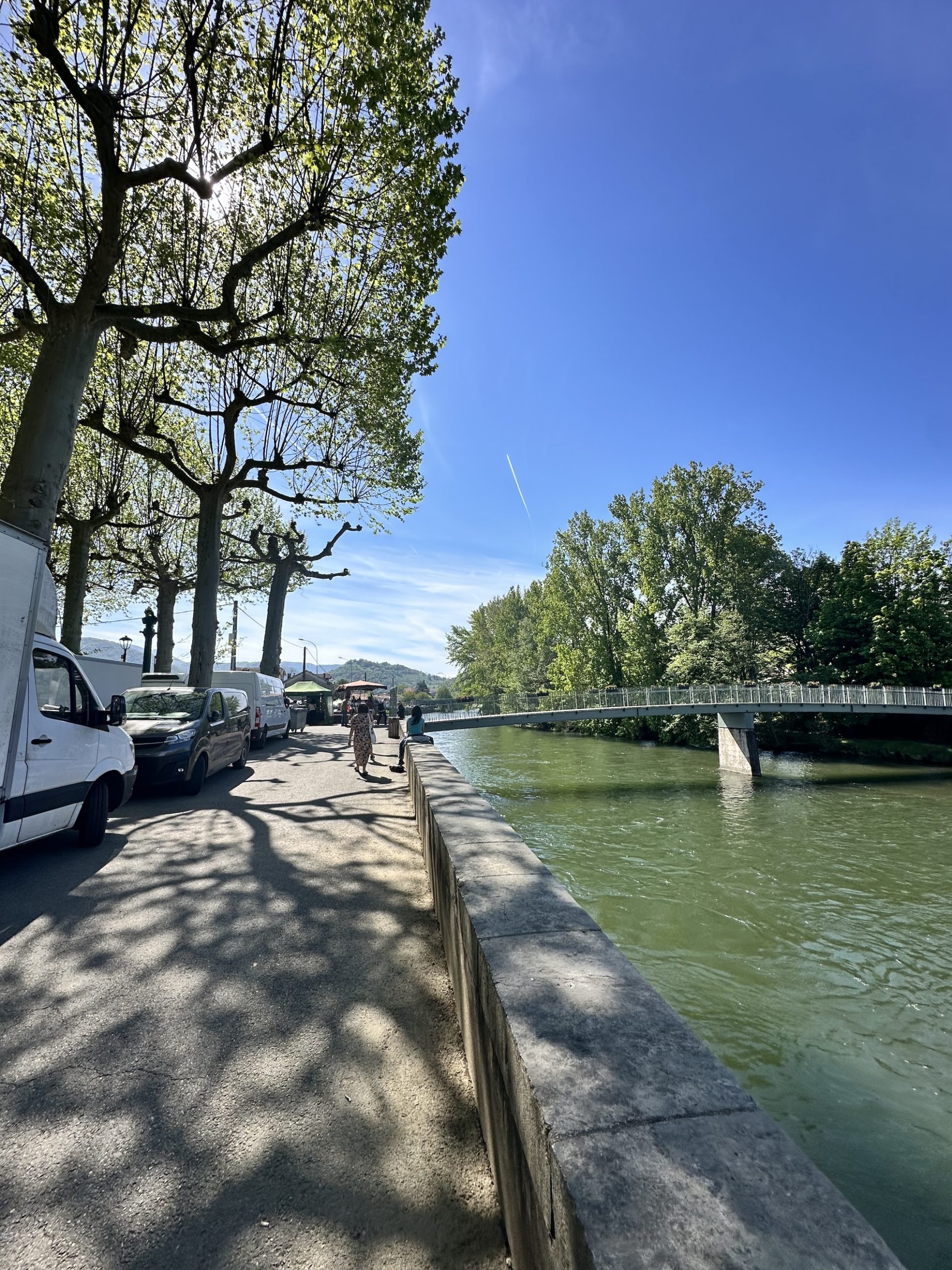 The foothills of the French Pyrenees is one of those places that feels genuinely off the beaten path, even though it is only a few hours’ drive from major cities. Saint-Girons is the departmental hub, a pleasant market town on the Salat River that serves as the perfect base for exploring the surrounding valleys and peaks. But it was the village of Biert, tucked into a fold of the mountains, that we will carry with us longest from this part of the journey. Small, quiet, deeply French in the best possible way, the kind of place where you eat well, walk in the hills, sit outside in the evenings and remember why you do all of this. Spending time with Steph in this setting was a privilege. When you live on the road, the people who know you best become even more precious, and days like those in Biert become the memories that surface in quiet moments months later when you are somewhere completely different. We were reminded, not for the first time, that the best part of overland travel is often not the places but the people.
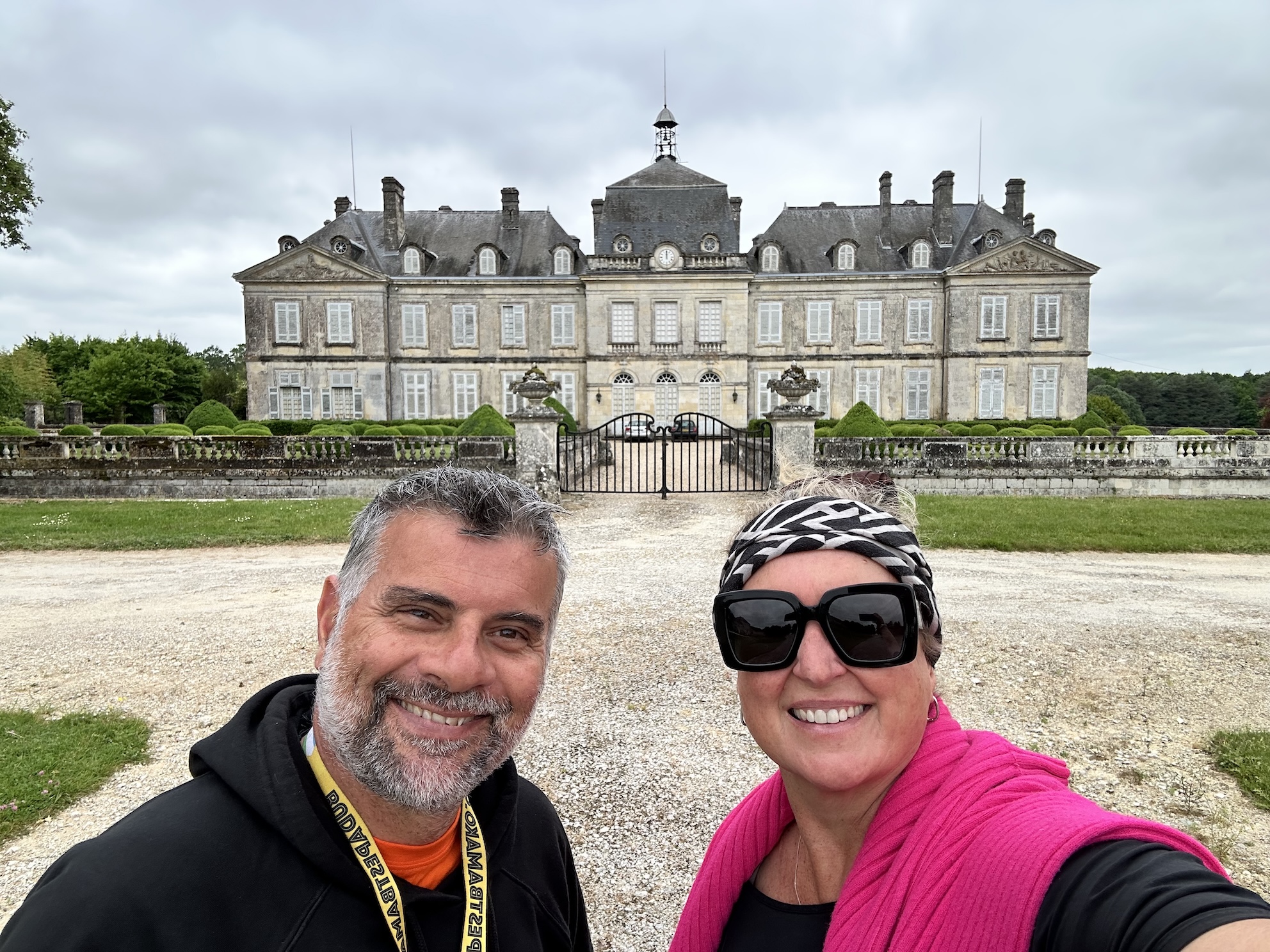
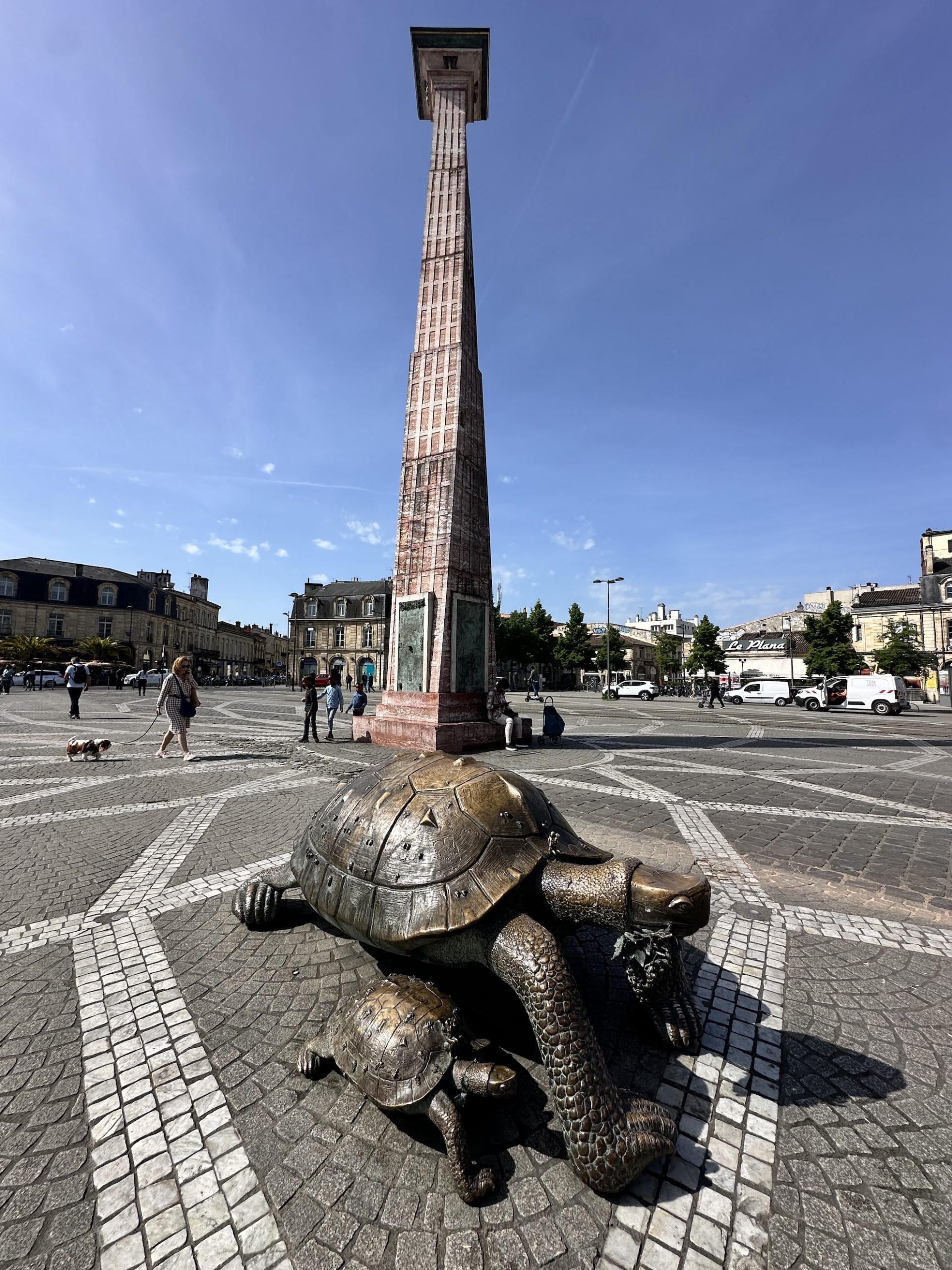
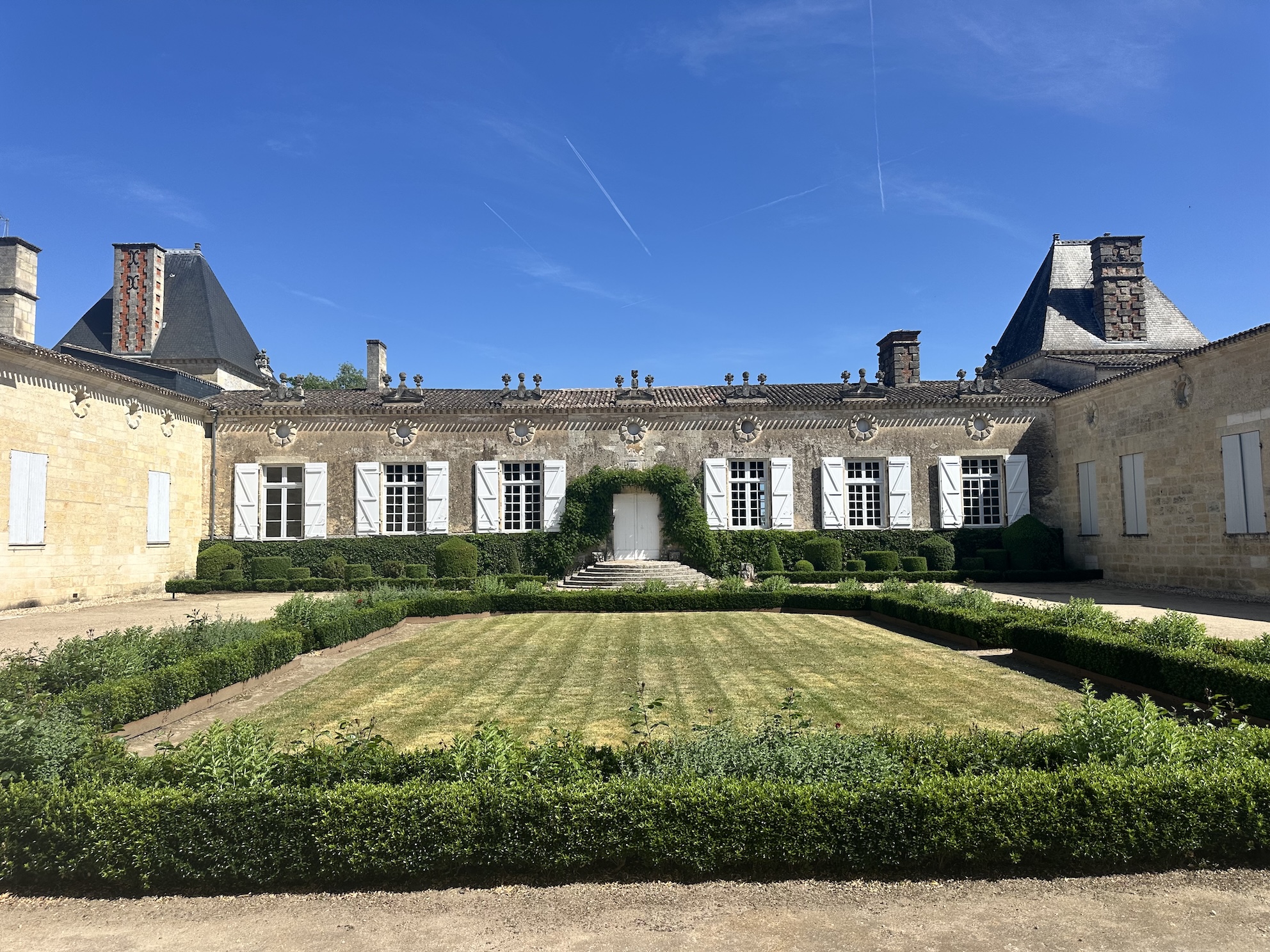
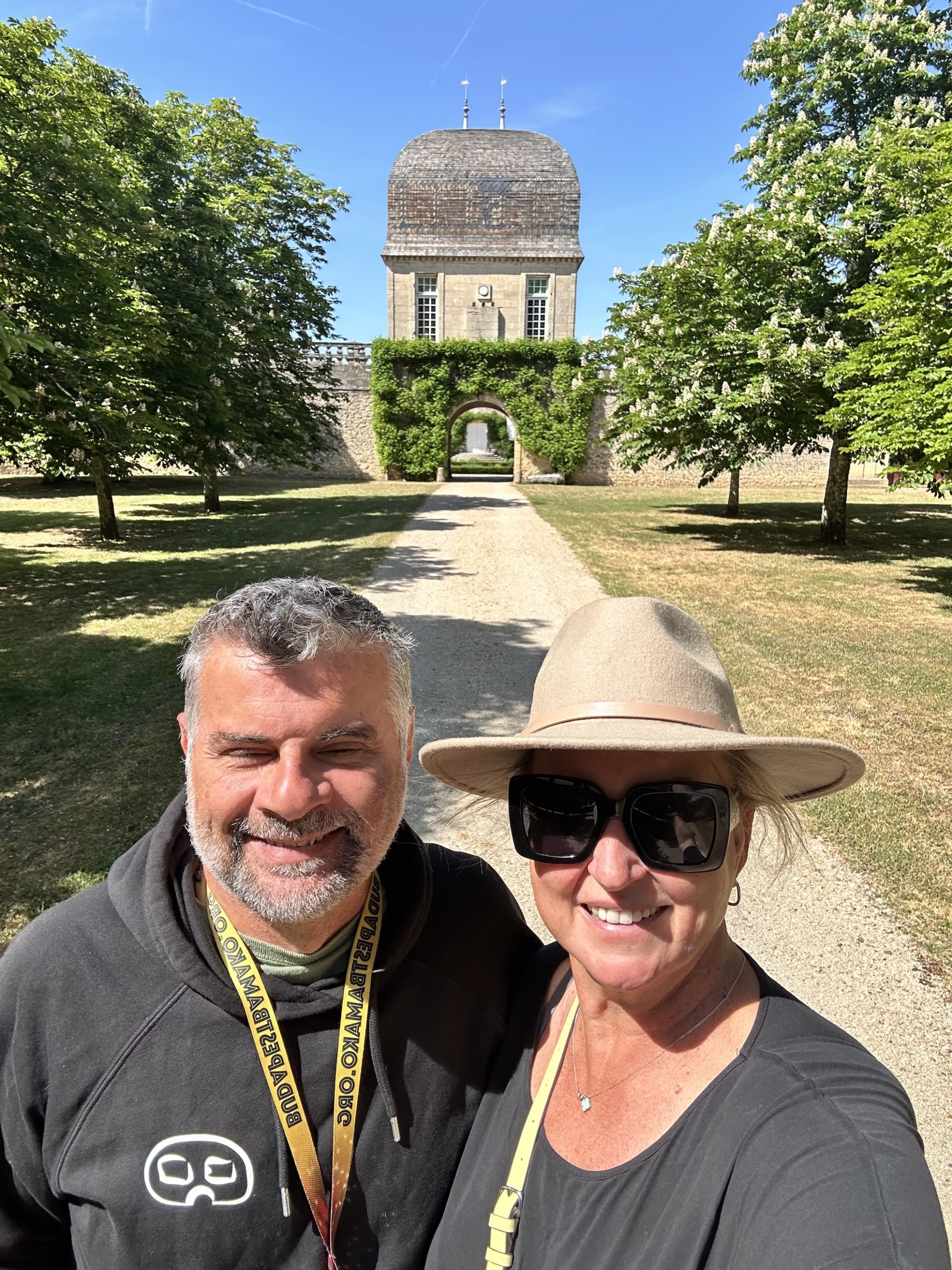
 From the Pyrenees we pushed northwest towards Bordeaux, were the landscape flattened and opened into the Gironde wine country. Few cities in France can claim Bordeaux’s combination of architectural grandeur, gastronomic excellence and natural setting. The city sits on a great bend of the Garonne River, so elegant in its 18th-century urban planning that it was collectively inscribed as a UNESCO World Heritage Site in 2007. But we did not limit ourselves to the city. The surrounding wine region (the largest fine wine area in the world) was calling. The appellations of Médoc, Saint-Émilion and Pomerol produce some of the most celebrated wines on earth, and the châteaux that dot the landscape here are things of beauty in their own right. We visited some of the wineries in the area, did some tasting, learned a little more about why this particular combination of soil, climate and tradition produces something the rest of the world has been trying to replicate for centuries. It was a good couple of days.
 Our next destination, The Arcachon Basin is one of the great surprises of France’s Atlantic coast, a tidal lagoon roughly 60 km south of Bordeaux that contains the famous Dune du Pilat, the tallest sand dune in Europe (110 metres). Climbing it, although challenges your fitness, rewards you with a view that stretches across the pine forests of the Landes in one direction and out to the Atlantic in the other. Arcachon itself is a cute village to walk around famous for its oyster beds, and eating freshly harvested oysters on the water front together with a glass of wine was the thing to do here.
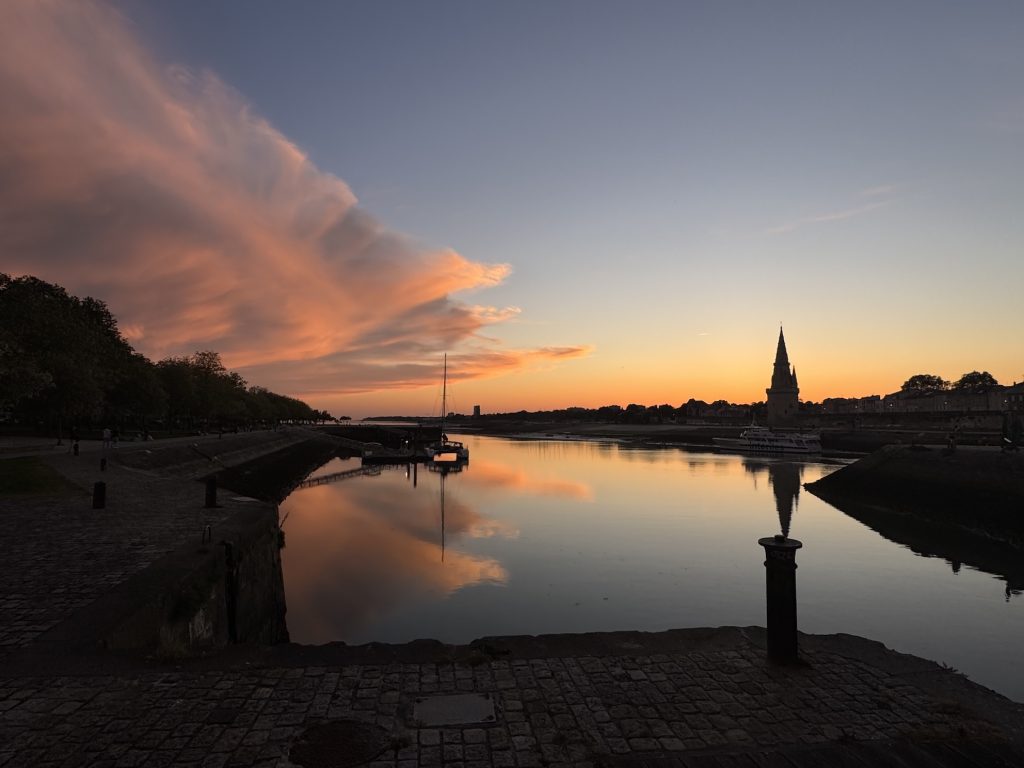
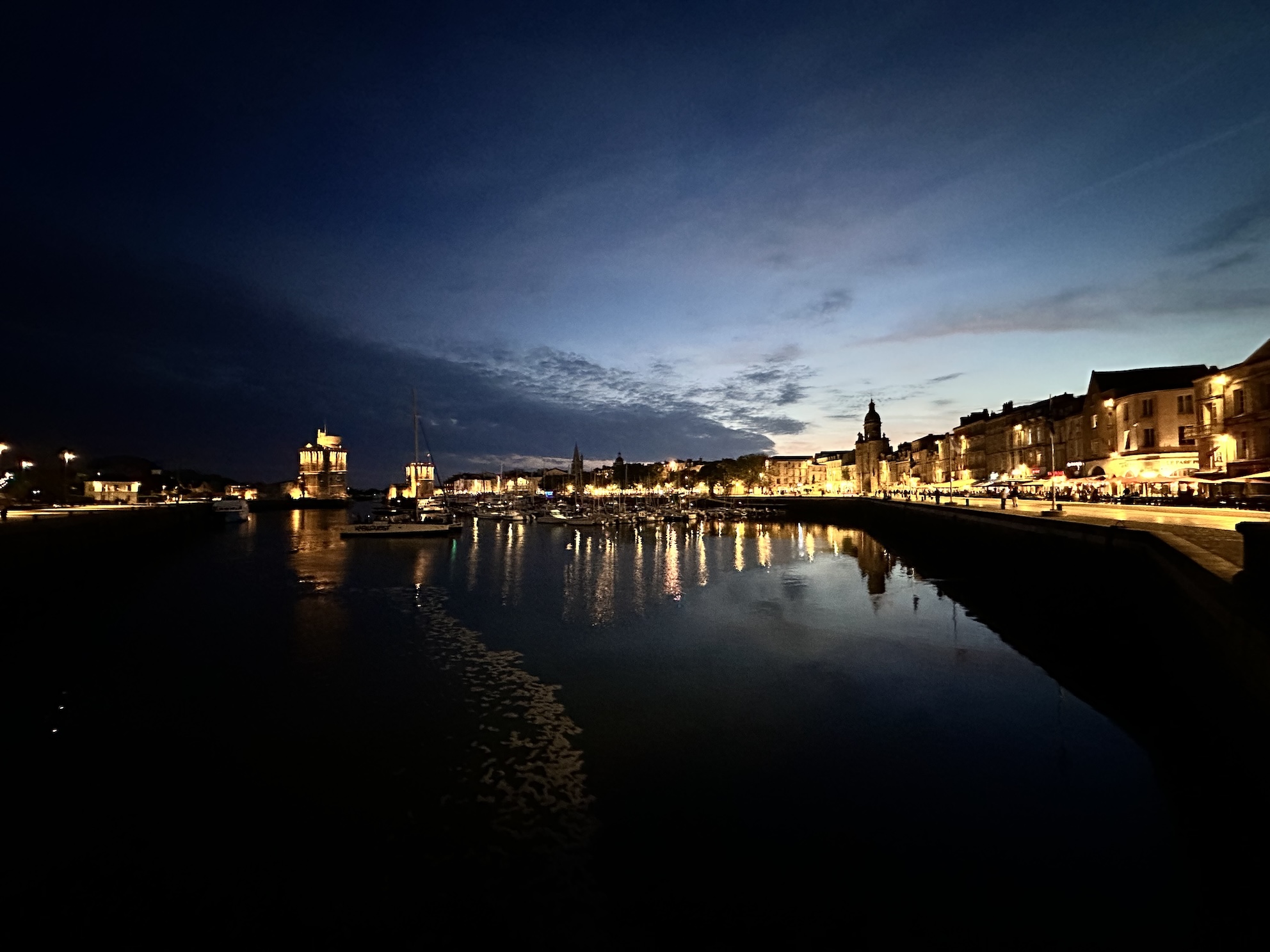
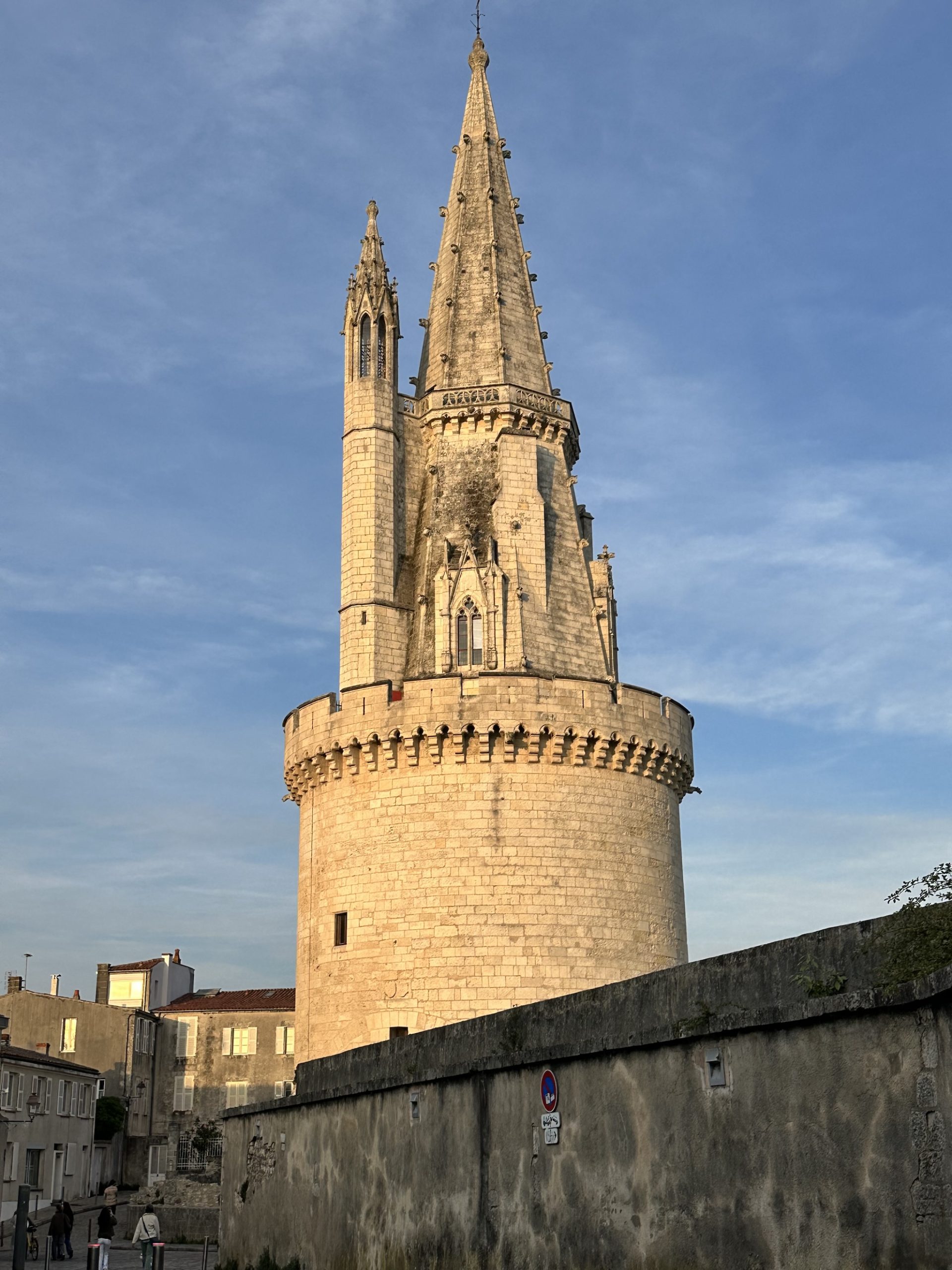
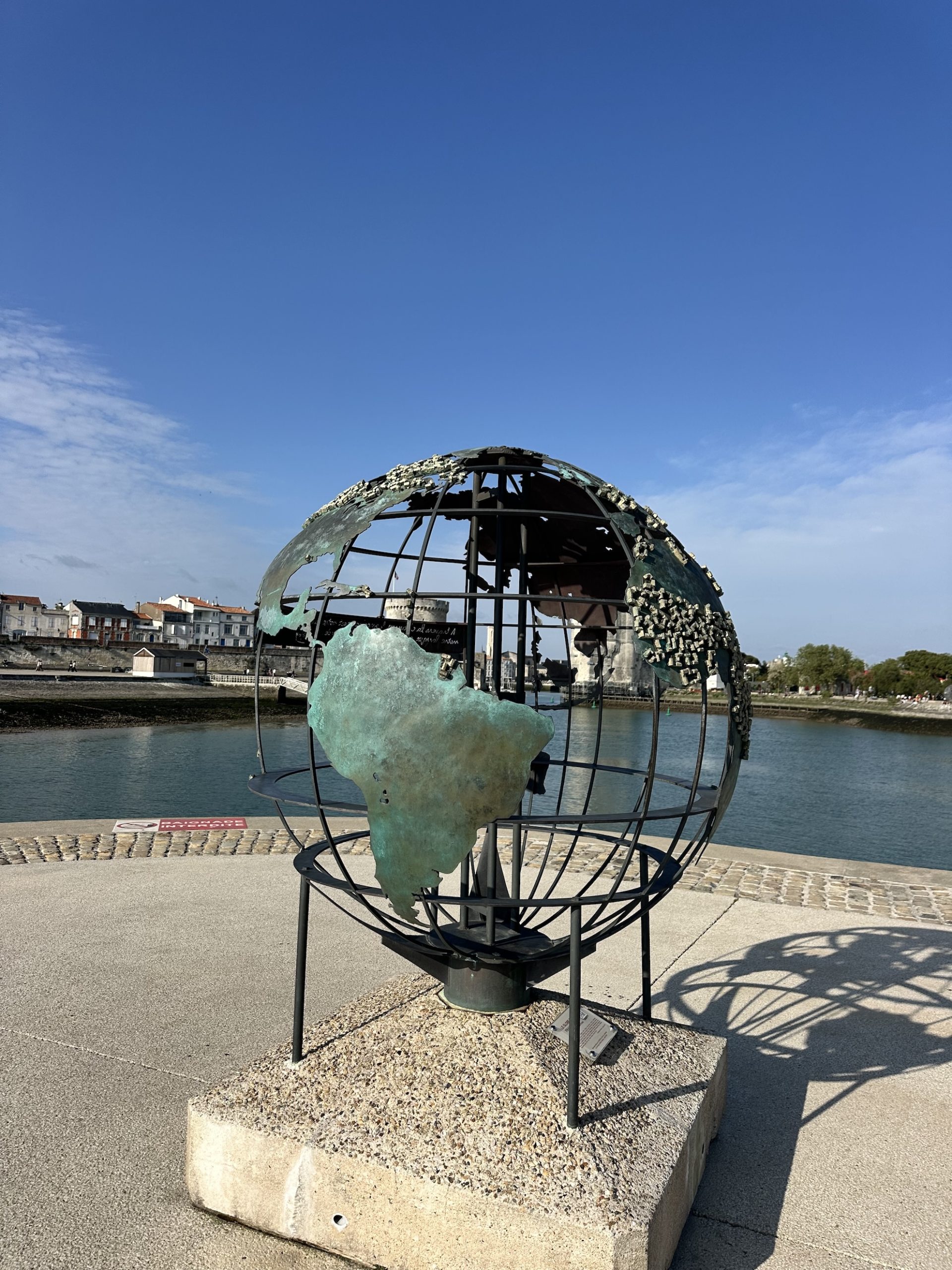 Then came La Rochelle, and La Rochelle deserved every moment we gave it. You see, Rochelle—my wonderful wife, the other half of this operation and the person who makes it all work, shares her name with this magnificent city. That alone would have been reason enough to linger, but La Rochelle also happens to be genuinely one of the most atmospheric port cities in France. The old harbour with its twin medieval towers, the Vieux-Port flanked by arcaded limestone buildings, the network of narrow pedestrianised streets, it all adds up to a place that gets under your skin quickly. We explored thoroughly, ate exceptionally well and allowed ourselves the luxury of simply being there for more time than perhaps the schedule strictly permitted. Some things are worth it.
 Mont Saint-Michel now needs no introduction. The Benedictine abbey perched on its tidal island in the bay between Normandy and Brittany is one of the most photographed locations in France and one of the most visited places in all of Europe. We have been before, and that prior acquaintance meant we were able to appreciate it from a slight distance this time, a coffee, a walk without the pressure of experiencing everything for the first time was all we needed to do. It is one of those sites that rewards multiple visits, each time revealing a different light, angle or perspective. We did not stay long, but we were glad we stopped.
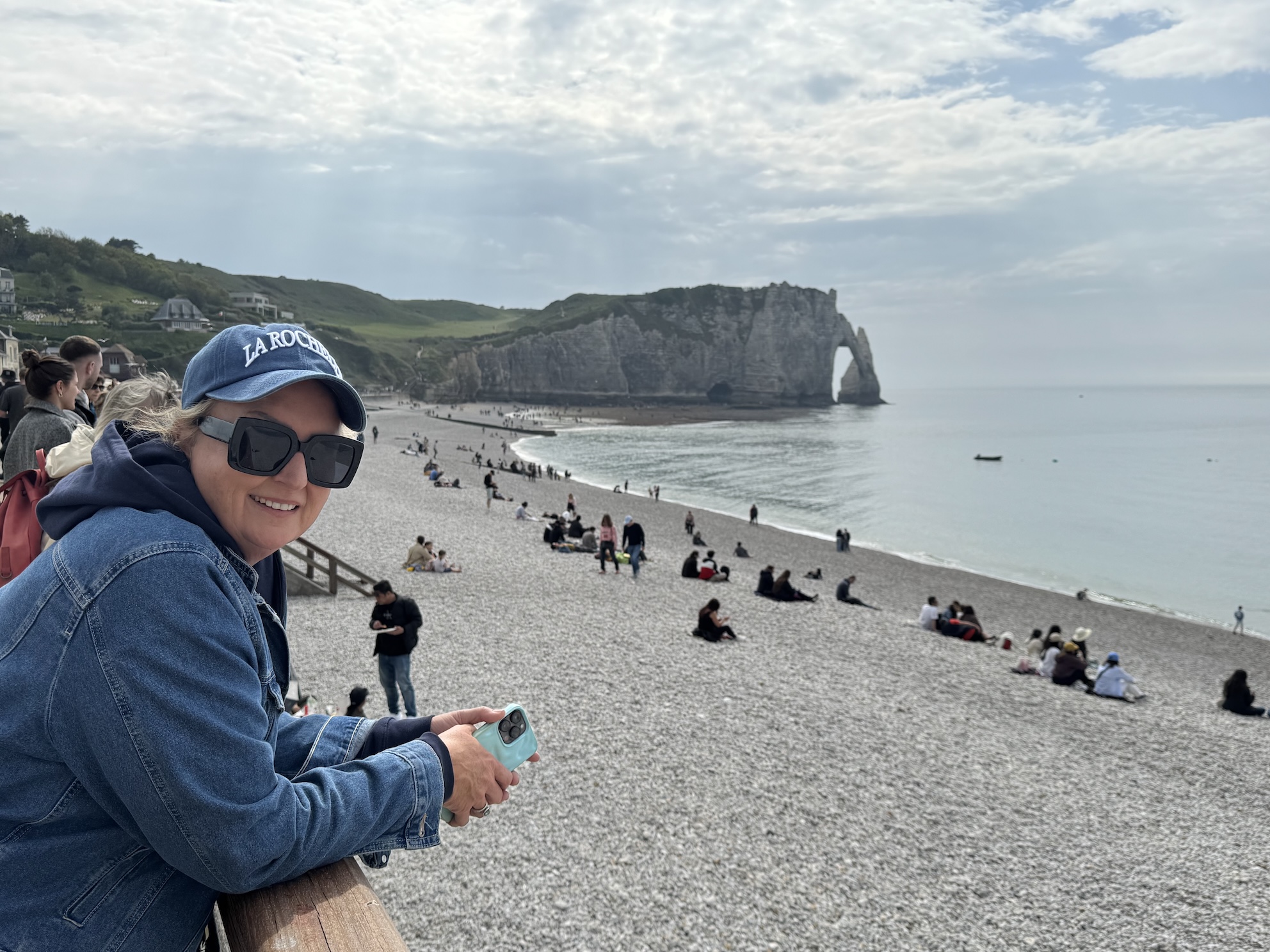
Next up? Few places in Europe carry the weight of history that Normandy does. Driving along the coast here, past the towns with their familiar names, Utah, Omaha, Gold, Juno and Sword and the seemingly endless cemeteries, is defiantly an overwhelming experience. Walking down to the beach itself and looking back up at those bluffs, trying to picture what happened on the morning of 6 June 1944, is something that stays with you.
But it was time for the capital!! Paris greeted us with rain. Lots of rain!!
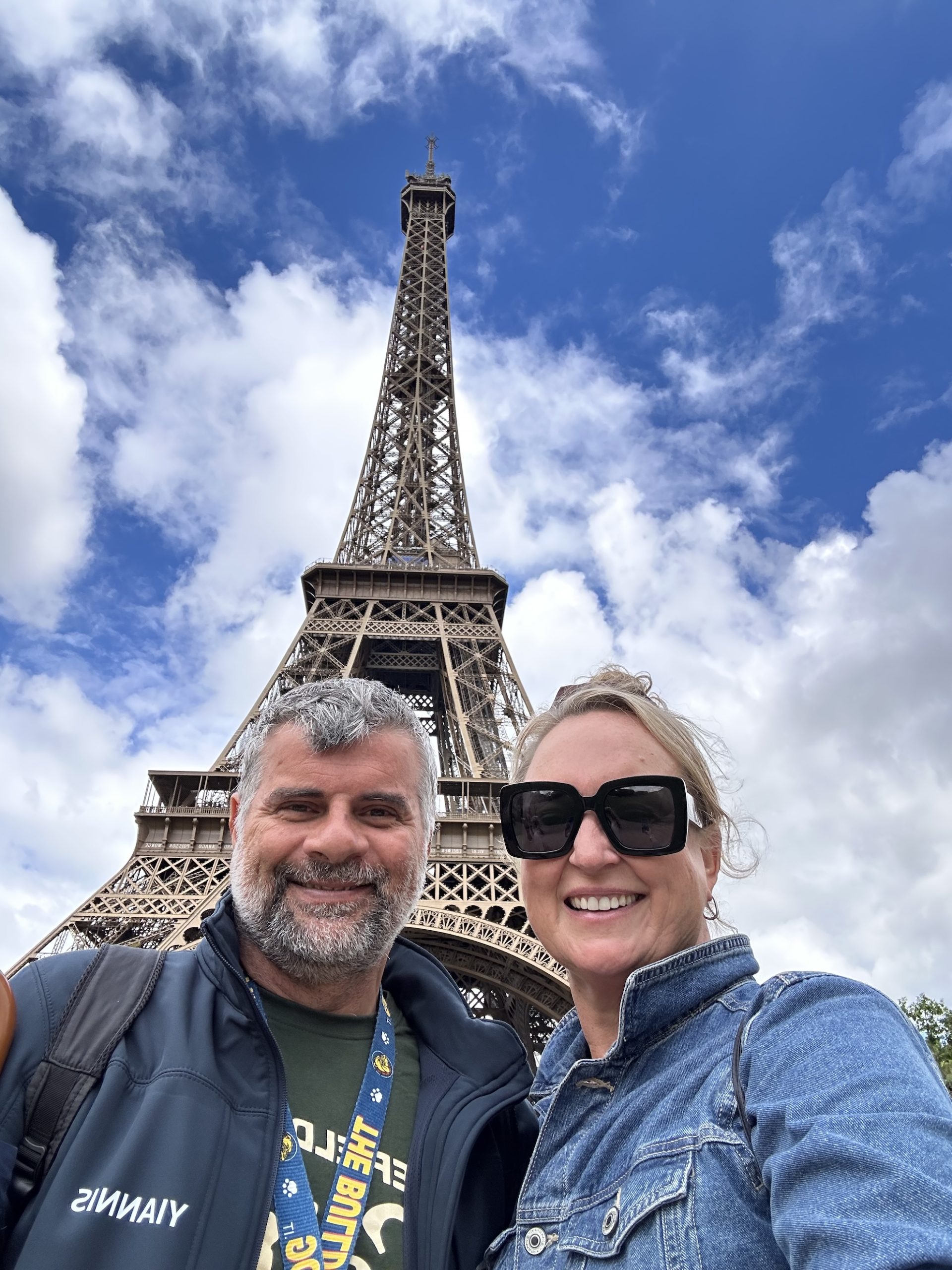
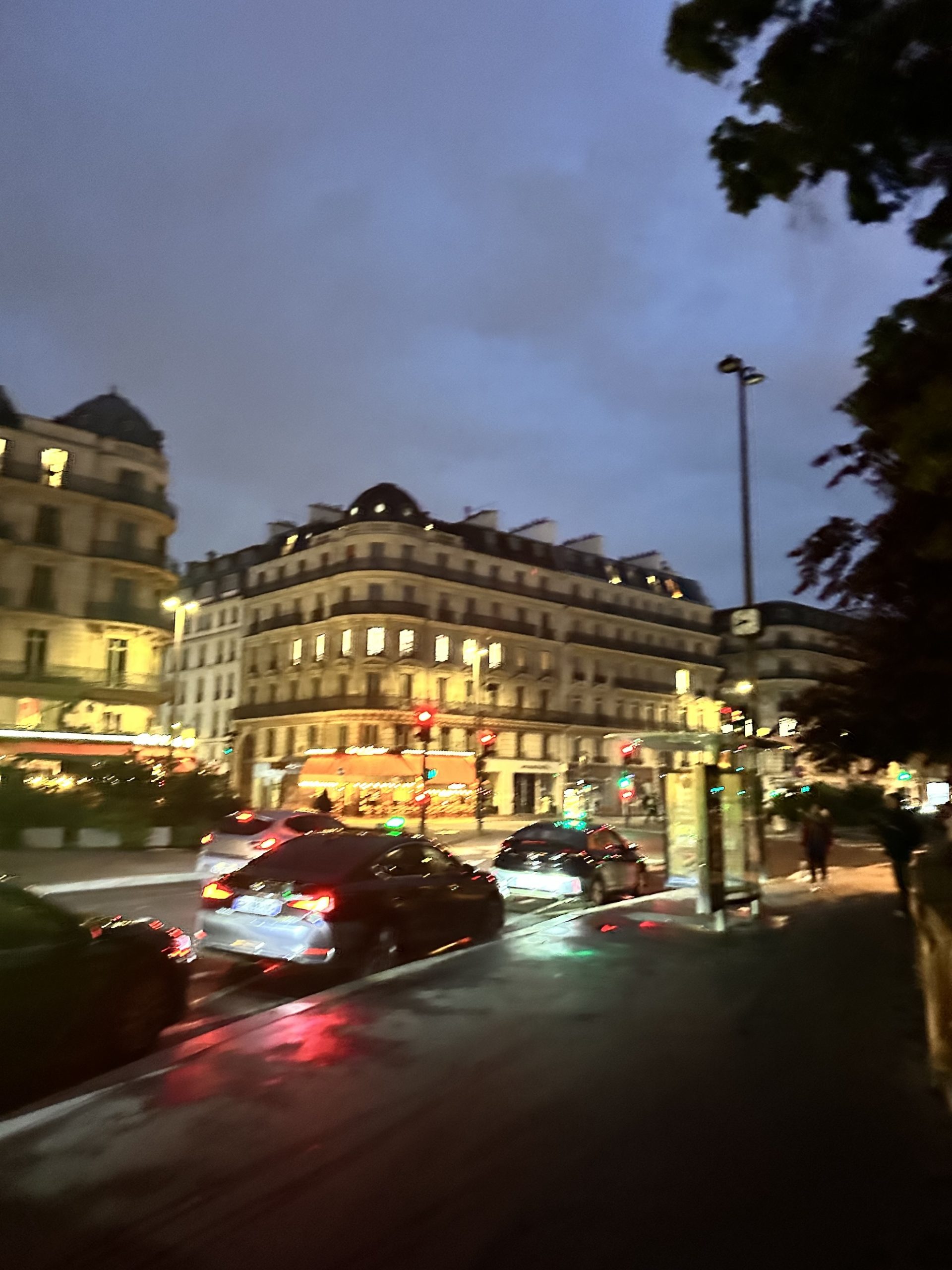
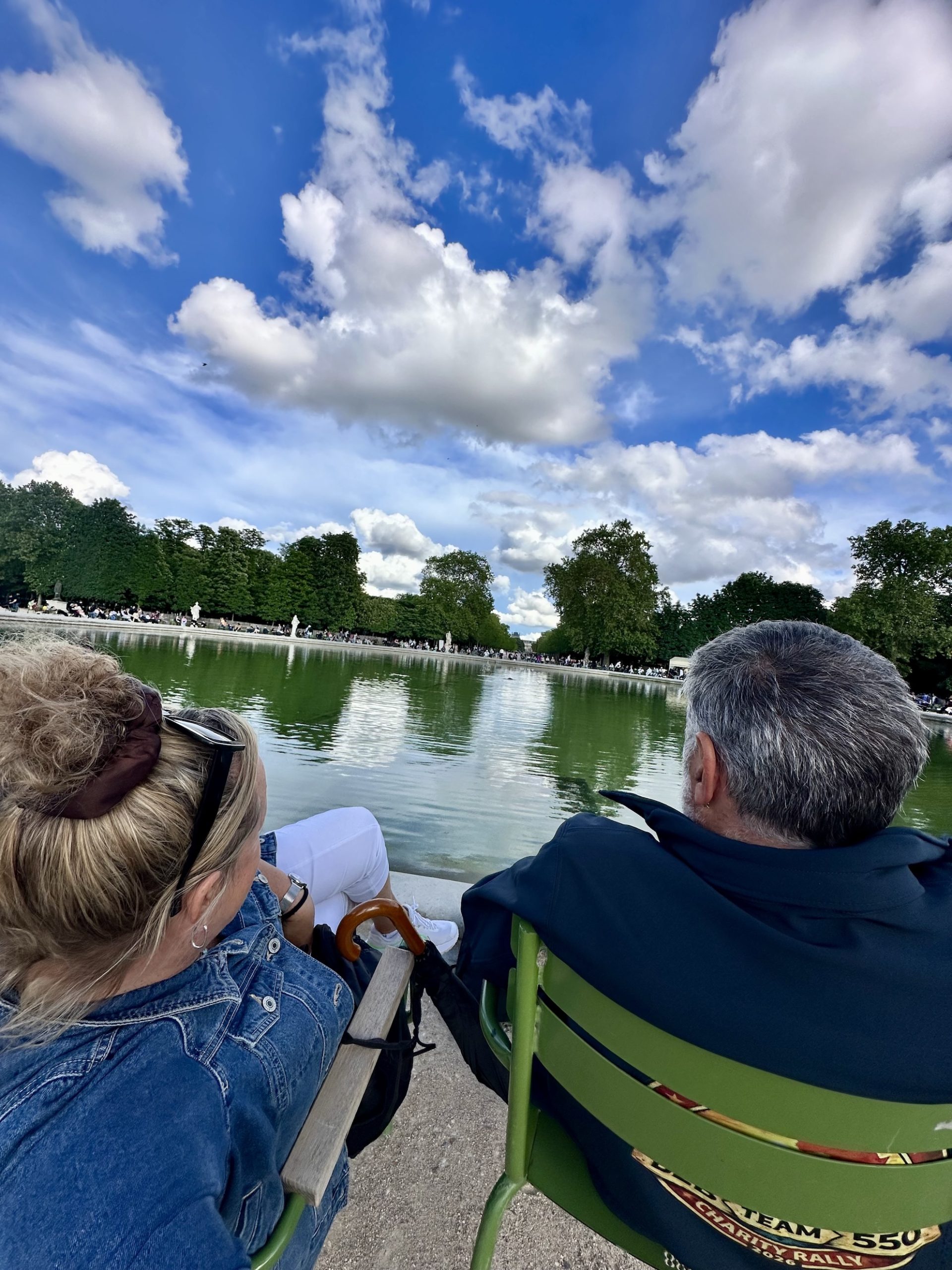
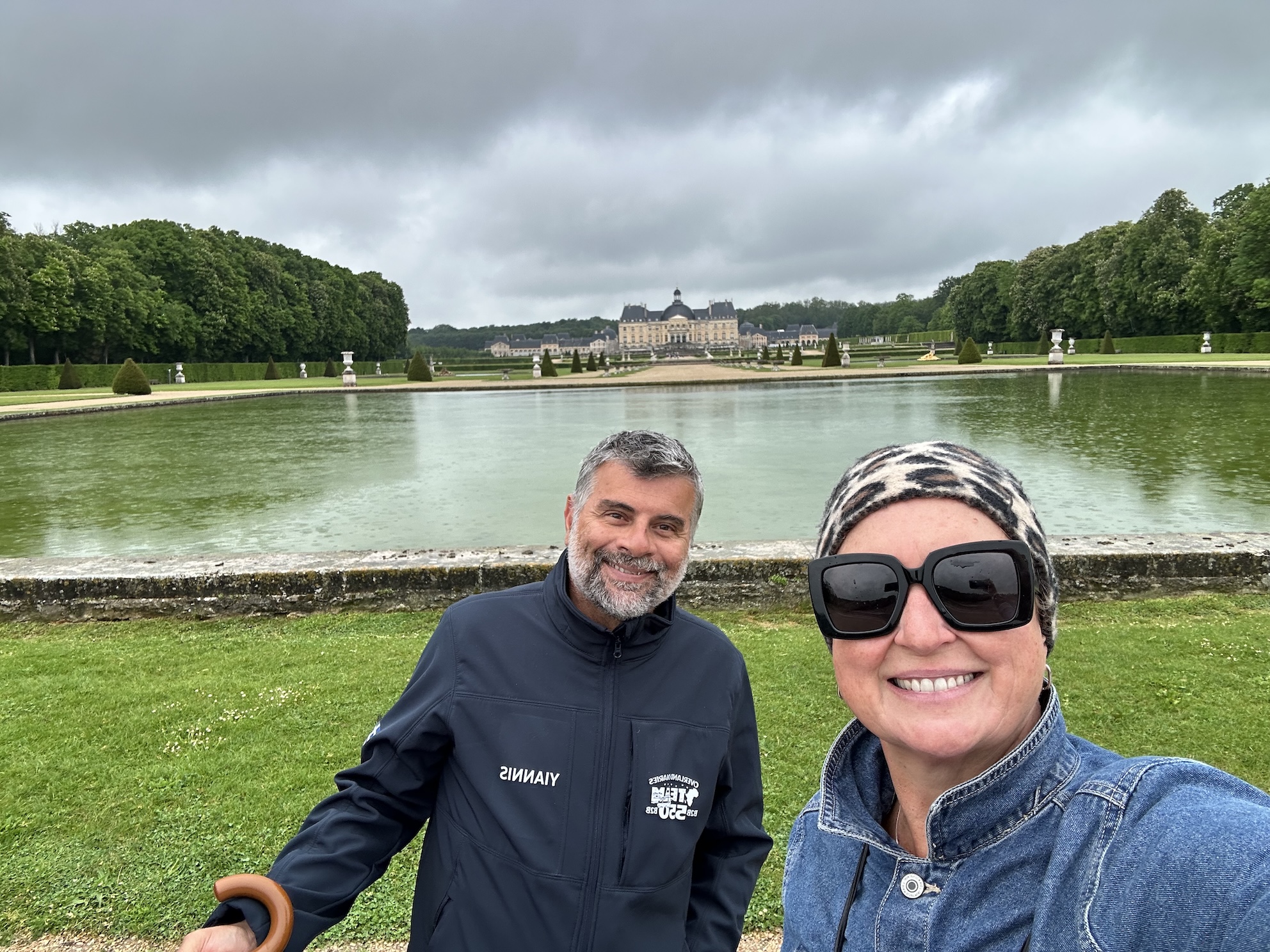
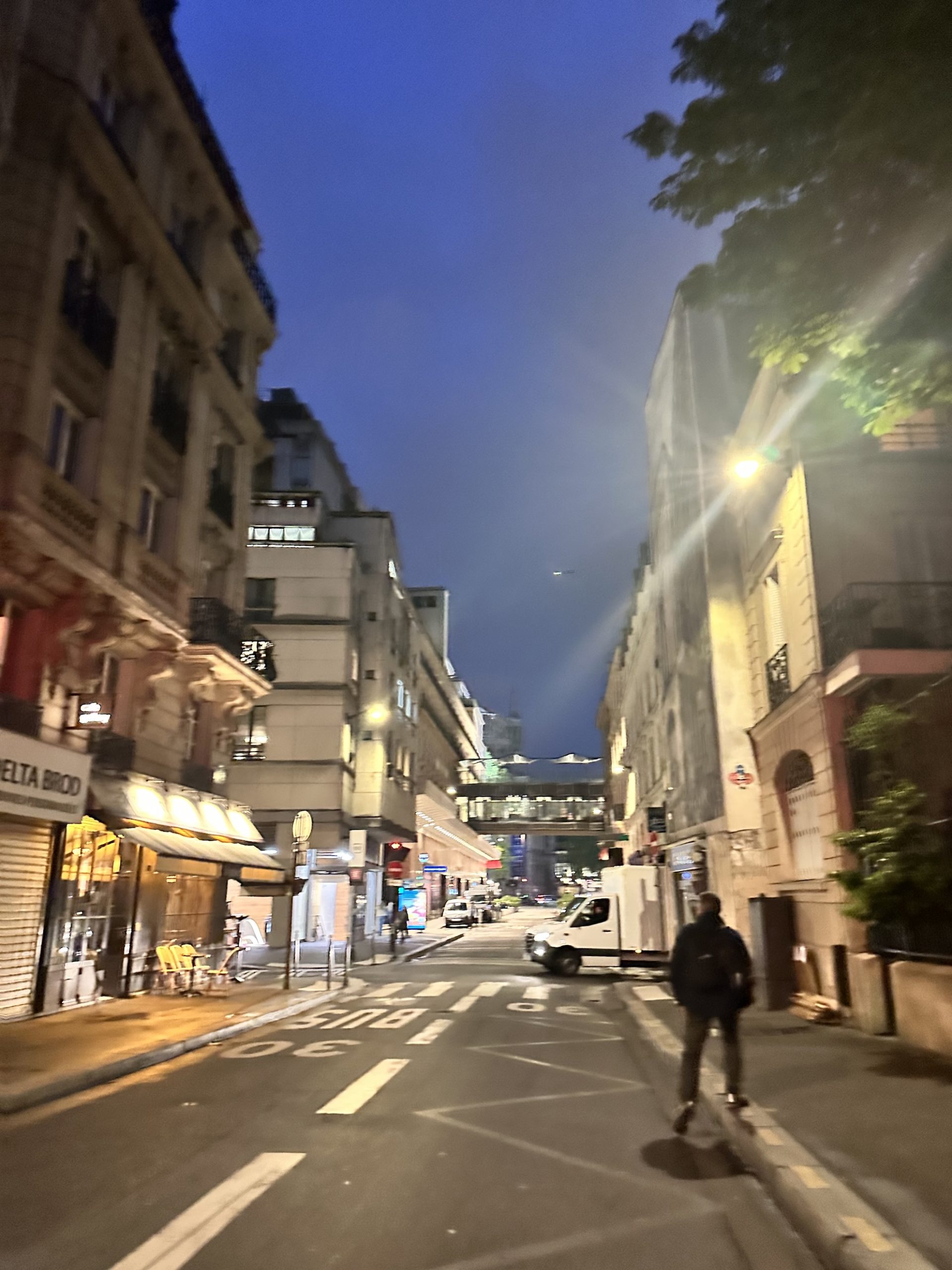 Fortunately, Paris is one of those cities that somehow looks beautiful regardless of the weather (or so we convinced ourselves to believe). Umbrellas became part of our daily routine as we explored the city’s famous landmarks. The Eiffel Tower emerged through the clouds. The Seine flowed quietly beneath grey skies. The streets buzzed with life despite the weather. We spent several days walking, exploring, eating and soaking up the atmosphere of one of the world’s most iconic cities. Rain or not, Paris delivered. Accommodation in Paris is a subject that can cause serious anxiety for overlanders. The city is, as anyone who has tried to find parking or a campsite within reasonable distance will confirm, not designed with large vehicles or modest budgets in mind. To our fortunate. Steph’s mum came to the rescue generously allowing us to camp in her backyard, which was not only a practical solution but a proper Paris base. We explored thoroughly over a couple of rainy days (my legs still hurt from walking). The Eiffel Tower, inevitably, came first because even if you have seen it in a thousand pictures before, standing beneath those iron lattices and looking up is still something. Then was the Notre-Dame, still bearing the visible marks of the 2019 fire but with restoration work ongoing followed by The Louvre. Yes, you guess it, we did not go to see the Mona Lisa, and yes, it is smaller than you expect, and no, that does not diminish the experience of standing in front of it. Our final stop was Sacré-Cœur, with the whole city spreading out below.Rochelle’s favourite thing to do, ideally on a sunny day and not under rain!
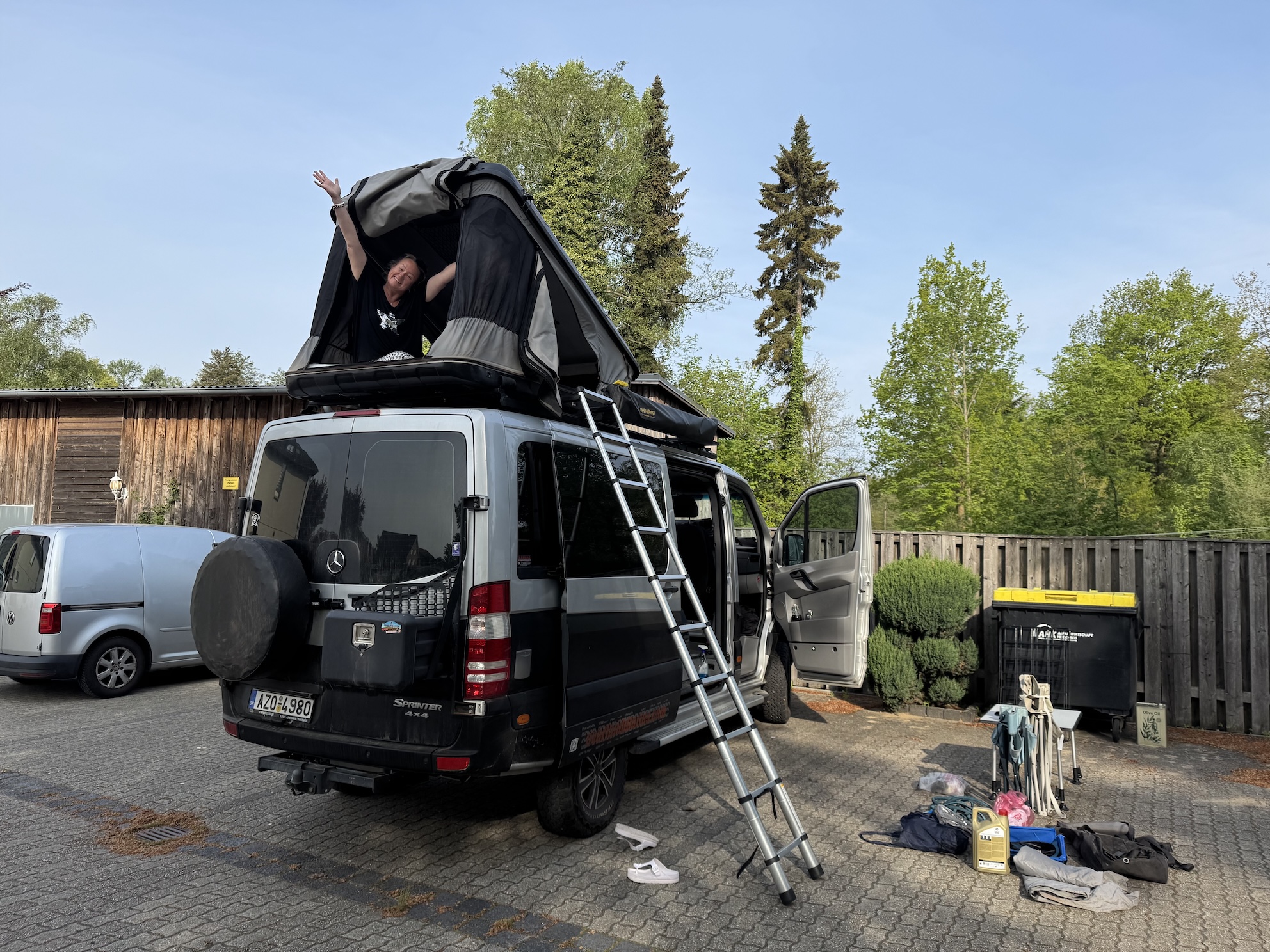
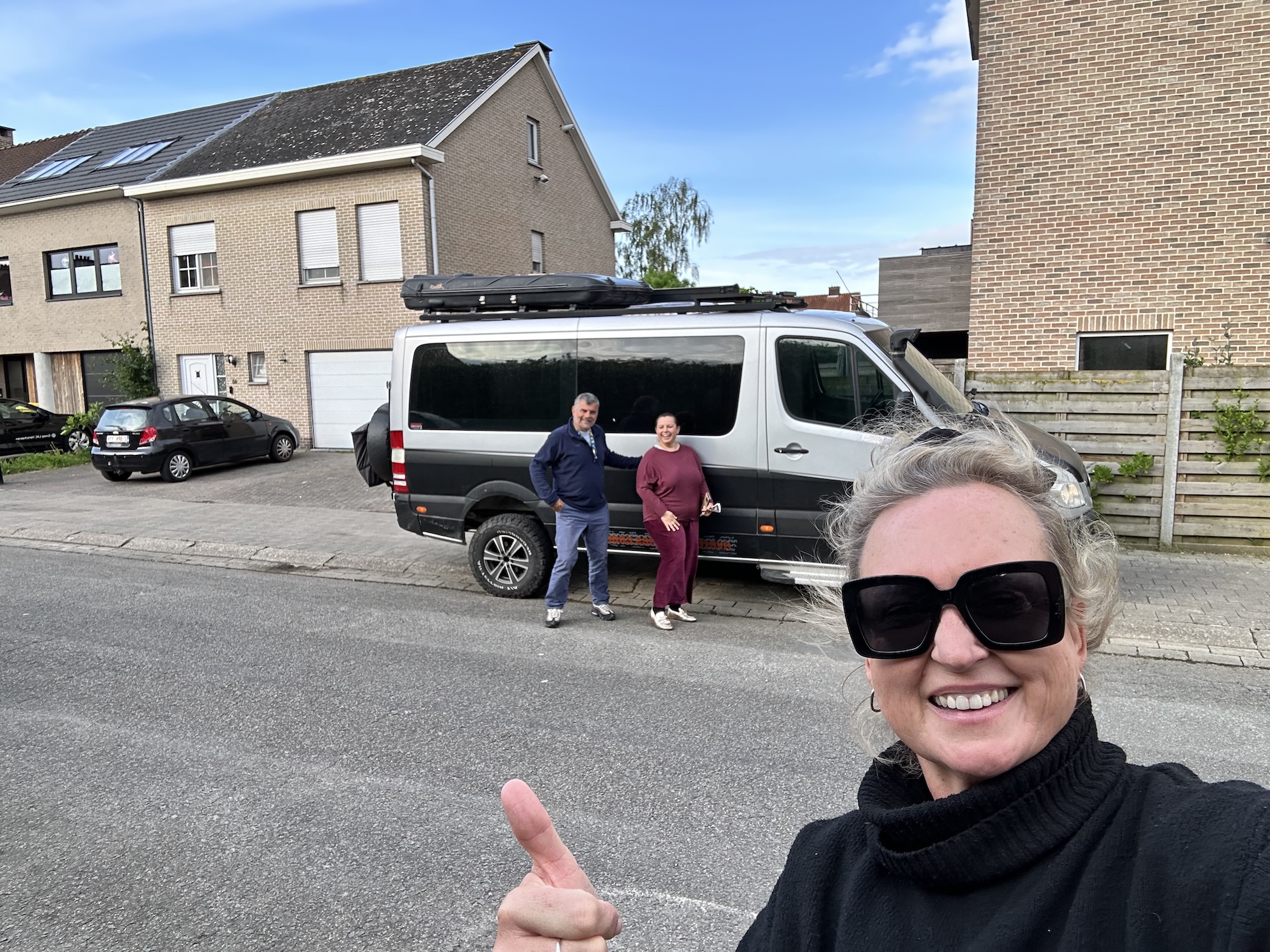
That brought us to tiny Belgium , even if just in passing, it deserves a mention. We did not have time to do it justice, but we made a mental note to return. Crossing it, the mood shifted slightly. The journey was beginning its final administrative phase. Rochelle’s friend Nina, based in Belgium, kindly allowed us to drop off things we had been carrying that we no longer needed( the accumulated extras that tend to gather over a long journey ) and that made no sense to ship across an ocean.
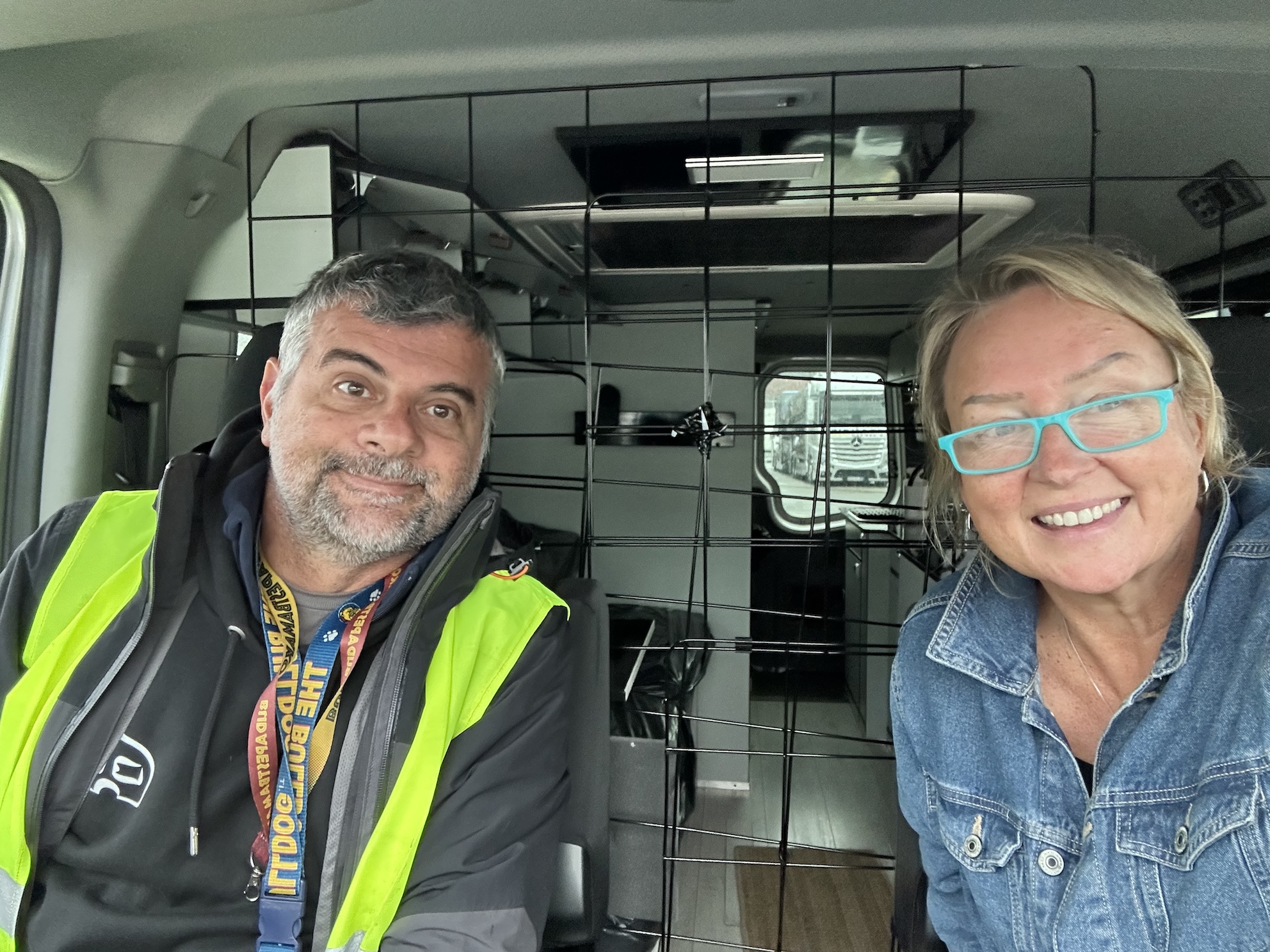
Our Germany itinerary was not about tourism. Germany was about preparation. We drove pass Cologne, that even a brief stop there rewards you but our primary focus was the vehicle. We found a convenient Airbnb, set up a proper workspace and spent the days doing what needed to be done: cleaning, checking, servicing, documenting and packing. Everything that goes into preparing a vehicle for an ocean crossing has to be done properly. Fluids, filters, ties, documentation, the specific requirements of the shipping company. It is detailed, methodical work, and we gave it the attention it deserved.
Last stop was Hamburg that we arrived on a grey northern morning, and drove through it with a mixture of emotions. Pride at having made it. Excitement about what came next and a faint pre-departure melancholy at the thought that our vehicle was about to leave us (yes we are a bit sentimental with our car). The Port of Hamburg is the third-largest port in Europe and one of the great logistics hubs. Here we finally deliver our vehicle for it’s several weeks crossing the ocean on its own(Vekki G cruise we called it). We spent our last days in Hamburg quietly. We ate well, slept well, walked the city and prepared ourselves for what came next. There was a sense of excitement mixed with uncertainty. A major chapter was ending. Another was about to begin.
Within the next couple of days ,we boarded a flight bound for Argentina’s Capital, Buenos Aires. As the plane climbed into the sky, Europe slowly disappeared beneath the clouds. Ahead lay a new continent. New roads. New challenges. New adventures. Our vehicle was somewhere behind us, preparing for its own Atlantic crossing. The South America expedition was officially underway and we couldn’t wait to see what was unfolding for us on the other side!